


There was a time—not too long ago—when car trouble felt like a sudden betrayal. Everything would seem fine, and then out of nowhere, a warning light, a strange noise, or worse, a breakdown in the middle of nowhere. It wasn’t just inconvenient; it was unpredictable. But something’s shifting now, quietly, almost invisibly, beneath the hood.
Cars in 2026 aren’t just machines anymore. They’re learning, adapting, and—strangely enough—anticipating.
The Subtle Intelligence Inside Modern Cars
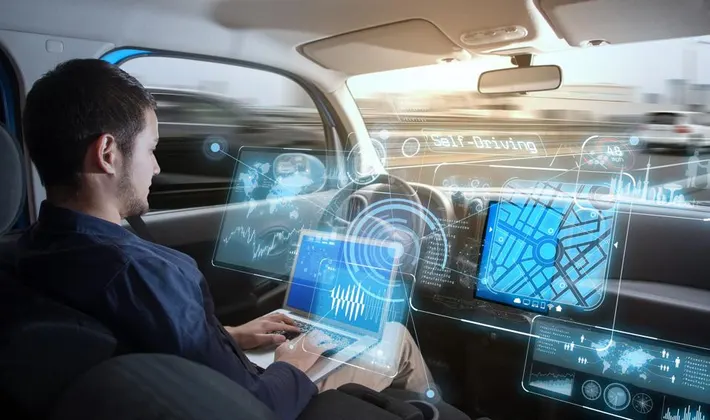
You won’t always notice it, and that’s kind of the point. Today’s vehicles are increasingly equipped with AI-driven systems that monitor everything from engine vibrations to brake performance in real time. It’s not just about collecting data—it’s about understanding it.
These systems pick up patterns that human mechanics might miss. Tiny fluctuations in temperature, slight changes in fuel efficiency, or even how often you accelerate suddenly. Alone, these details don’t mean much. Together, they tell a story.
And that story can predict failure before it happens.
Why Breakdowns Are Becoming Less Common
Think about it like this: instead of waiting for something to break, your car now has the ability to warn you ahead of time—sometimes weeks in advance. It might notify you that a component is wearing out faster than expected or that your battery isn’t holding charge like it used to.
That early warning changes everything.
No more guessing. No more last-minute panic. Repairs can be planned, scheduled, even optimized for cost. It’s a bit like going from emergency medicine to preventive healthcare.
And honestly, that’s a huge shift.
How AI-Based Predictive Maintenance is Reducing Car Breakdowns in 2026
What’s really happening under the surface is a blend of machine learning algorithms and connected sensors working together. These systems compare your car’s data with massive datasets collected from millions of vehicles worldwide.
So, when your car notices something unusual, it’s not just guessing—it’s referencing patterns seen in thousands of similar cases.
For example, if a certain engine behavior often leads to failure within 500 kilometers, your system knows. It flags it early, sometimes even suggests the nearest service center or schedules an appointment automatically.
This isn’t futuristic anymore. It’s happening now.
The Human Side of Smarter Cars
Here’s something people don’t talk about enough: the peace of mind.
There’s a certain comfort in knowing your car is looking out for itself—and for you. Long drives feel less risky. Road trips don’t come with that quiet anxiety of “what if something goes wrong?”
And for people who aren’t particularly car-savvy (which, let’s be honest, is most of us), this technology removes a layer of stress. You don’t have to understand engines to take care of your vehicle anymore.
The car helps you do it.
Not Just for Luxury Vehicles Anymore
A few years ago, this kind of technology was reserved for high-end models. Expensive cars, premium features. But that gap is closing fast.
Manufacturers are realizing that predictive maintenance isn’t just a luxury—it’s a necessity. Even mid-range cars now come with basic AI diagnostic systems. And in some cases, they’re surprisingly effective.
It’s becoming standard, not optional.
Cost Savings That Actually Add Up
Let’s talk money for a second, because that’s often where people feel the impact most.
Unexpected repairs are expensive. Emergency towing, urgent parts replacement, labor costs—it adds up quickly. Predictive maintenance, on the other hand, allows for smarter spending.
Fix things early, and you avoid bigger issues later. It’s simple in theory, but powerful in practice.
Plus, many insurance companies are starting to recognize this trend. Some even offer discounts for vehicles equipped with advanced monitoring systems. It’s subtle, but it’s there.
A Slight Catch (Because There’s Always One)
Of course, it’s not perfect.
These systems rely heavily on data. And with data comes concerns—privacy, accuracy, and sometimes over-dependence. Not every alert means immediate danger, and occasionally, you might get warnings that feel… unnecessary.
There’s also the learning curve. Trusting a machine to tell you when something’s wrong takes time. Especially if you’ve grown up relying on instinct or experience.
But overall, the benefits seem to outweigh the downsides.
Where This Is All Heading
If you step back and look at the bigger picture, predictive maintenance feels like just the beginning. As cars become more connected and autonomous, their ability to self-diagnose—and maybe even self-repair—will only improve.
We’re moving toward a future where breakdowns aren’t just rare—they’re almost obsolete.
And maybe, just maybe, the idea of being stranded on the side of the road will become something we only talk about in past tense.
Final Thoughts
There’s something quietly reassuring about all this. Not flashy, not dramatic—just… dependable.
Cars that think ahead. Systems that notice what we don’t. Technology that steps in before things go wrong.
It doesn’t make driving more exciting. But it does make it easier, safer, and a little less stressful. And honestly, that might matter more.
Because sometimes, the best kind of innovation is the one you barely notice—until you realize how much smoother life has become without the chaos.