


Most people don’t wake up thinking about water. It’s just there — running through the kitchen faucet while coffee brews, steaming up the bathroom mirror during a morning shower, filling pots for dinner, washing laundry late at night. Water quietly supports almost every routine in the house without asking for much attention.
Until something changes.
Maybe the tap water suddenly tastes metallic. Maybe there’s a strange smell coming from the sink that wasn’t there before. Some homeowners notice white residue collecting around faucets or cloudy dishes straight out of the dishwasher. Others deal with dry skin that seems impossible to fix no matter how many lotions they buy.
And honestly, those little signs are often worth paying attention to.
Water Problems Usually Start Quietly
One thing about household water issues is that they rarely arrive dramatically. Instead, they creep in slowly over time.
You start scrubbing sinks more often because stains keep returning. Laundry feels rough after washing. Appliances don’t seem to work quite as efficiently anymore. Sometimes the water itself looks perfectly normal, yet something still feels “off” about it.
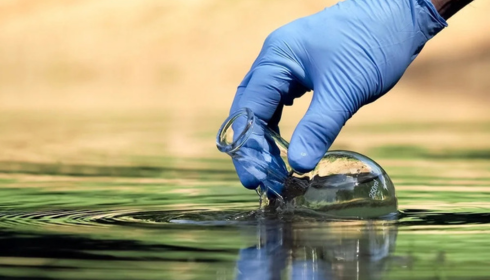
That’s why many homeowners eventually turn to water analysis rather than guessing what might be happening. Testing the water provides real information instead of assumptions, which honestly makes the entire situation feel less overwhelming.
Because without testing, people often waste money trying random filters or treatments that don’t actually solve the underlying issue.
And water issues vary far more than most homeowners realize.
Every Home Has Different Water Conditions
Two houses on the same street can experience completely different water concerns depending on plumbing, groundwater conditions, municipal infrastructure, or whether the home uses a private well.
Some households struggle with hard water minerals. Others deal with chlorine-heavy city water, iron staining, sediment, sulfur odors, or fluctuating pH levels. In older homes, aging pipes may affect taste or appearance too.
That’s why there’s rarely a one-size-fits-all solution.
Understanding your own water quality is usually the first real step toward improving it. Once homeowners know what’s actually present in their water, treatment options become much easier to evaluate realistically.
Sometimes the answer is surprisingly simple. Other situations may require a combination of softening, filtration, or purification systems working together.
The important thing is knowing the problem before trying to fix it.
Water Affects More Than Just Drinking
Most conversations about water focus on safety for drinking and cooking, which obviously matters. But water influences far more than what ends up in a glass.
Mineral-heavy water can shorten the lifespan of appliances over time. Water heaters collect scale buildup that reduces efficiency. Dishwashers leave cloudy residue on glassware. Washing machines work harder. Even soap behaves differently depending on the mineral content of the water itself.
Then there are the personal comfort issues people don’t always connect to water immediately.
Dry hair. Itchy skin after showers. Laundry that feels stiff no matter what detergent you use. Faucets covered in stubborn buildup. These little frustrations slowly become part of daily life until homeowners almost stop noticing them.
Then when the water improves, the difference feels surprisingly obvious.
Small Signs Often Point Toward Bigger Issues
One of the trickiest things about household water problems is that symptoms don’t always look serious at first.
A faint odor. Slight discoloration. Spots on dishes. Minor staining around drains. Most people naturally assume it’s cosmetic or temporary.
Sometimes it is.
But occasionally those small warning signs point toward underlying issues worth investigating further, especially for homes using well water or older plumbing systems. Even when the water is technically safe, poor water conditions can still affect comfort, maintenance costs, and the overall feel of the home.
That’s why regular testing matters more than many people think. It’s less about panic and more about awareness.
Better Water Changes Daily Routines in Subtle Ways
What’s interesting is how quickly people adapt once water quality improves.
Coffee tastes cleaner somehow. Showers feel softer on the skin. Laundry smells fresher. Cleaning becomes easier because mineral residue stops building up so aggressively. Even drinking more water at home becomes easier when the taste improves naturally.
None of these things sound life-changing on their own. But together they quietly improve daily living in ways homeowners notice constantly.
And unlike cosmetic upgrades people only admire occasionally, water affects routines people repeat every single day.
That consistency matters.
The Emotional Side of Water Quality
There’s also a peace-of-mind element people don’t always talk about openly.
When water smells strange or tastes unusual, it creates low-level uncertainty in the background of daily life. Homeowners start buying bottled water “just in case.” They wonder whether the stains around fixtures are harmless or something more serious. Every odd smell suddenly feels suspicious.
Good testing and proper treatment remove much of that uncertainty.
Even when results come back showing the water is safe, homeowners often feel relieved simply knowing for certain. And if problems are discovered, at least there’s a clear direction forward rather than endless guessing.
That clarity has value.
Water Is One of the Most Important Invisible Systems in a Home
At the end of the day, water is one of those essential parts of a home that people barely notice when everything works properly. That’s actually the goal.
You shouldn’t have to think constantly about strange tastes, odors, residue, or appliance damage. Water should quietly support daily life without creating extra work or stress.
And honestly, once homeowners experience reliable, cleaner water consistently, they often realize how much energy they were spending adapting to small frustrations they’d accepted as normal for years.
Sometimes improving a home isn’t about flashy renovations or expensive remodels. Sometimes it’s simply about making everyday life feel cleaner, healthier, and easier in the background — one glass of water, one shower, one load of laundry at a time.