Why Water Feels “Fine” Isn’t Always the Full Story
Most of us turn on the tap, fill a glass, and don’t think twice. It looks clear, maybe tastes okay, and that’s usually enough reassurance. But water doesn’t always reveal its problems upfront. Some of the most concerning issues are invisible, slowly building up in ways we rarely notice day to day.
Take everyday household use—cooking, brushing teeth, making tea. If something is slightly off, we tend to ignore it. A faint metallic taste? Maybe it’s the pipes. A bit of cloudiness? Could be temporary. Still, these small signs often hint at deeper issues that deserve attention before they grow into something more serious.
Continue in this orbit: Clean Water at Home Is One of Those Little Things That Changes Everything
The Hidden Journey of Contaminants
Water travels a long way before it reaches your home. Pipes, storage systems, treatment plants, sometimes even old infrastructure in between. Along that journey, it can pick up different substances—some harmless, others not so much.
One of the concerns often discussed in water safety studies is lead, especially in older plumbing systems. Even small traces over time can build up in the body. The tricky part is that it doesn’t change the look of water, which is why people often remain unaware until tests are done. Homes built decades ago are particularly at risk, especially if maintenance has been inconsistent.
It’s not about panic—it’s about awareness. Knowing what might be present helps you make better choices, whether that means installing filters or simply getting your water tested periodically.
Continue in this orbit: Why Clean, Reliable Water Is One of the Smartest Investments a Business Can Make
When Microorganisms Become a Concern
Not all water issues come from chemicals or metals. Sometimes, the concern is biological. Warm temperatures, stagnant storage, or unclean pipelines can create conditions where unwanted microorganisms thrive.
In certain cases, bacteria can develop in water systems without any obvious warning signs. There might be no smell, no visible change, nothing that immediately signals a problem. Yet the impact can show up later through frequent stomach discomfort or other health issues that feel “random” but aren’t.
What makes this tricky is consistency. One day the water seems fine, another day it doesn’t. That unpredictability is often what pushes people to look deeper rather than relying on surface impressions.
Continue in this orbit: Better Water Begins With Knowing What’s in It: A Practical Guide to Testing, Installation, and Reliable Treatment
Why Testing Matters More Than Guessing
A lot of people rely on their senses to judge water quality—smell, taste, appearance. While these can give clues, they’re not reliable indicators of safety. Clean-looking water can still carry dissolved substances, while slightly discolored water might not always be harmful.
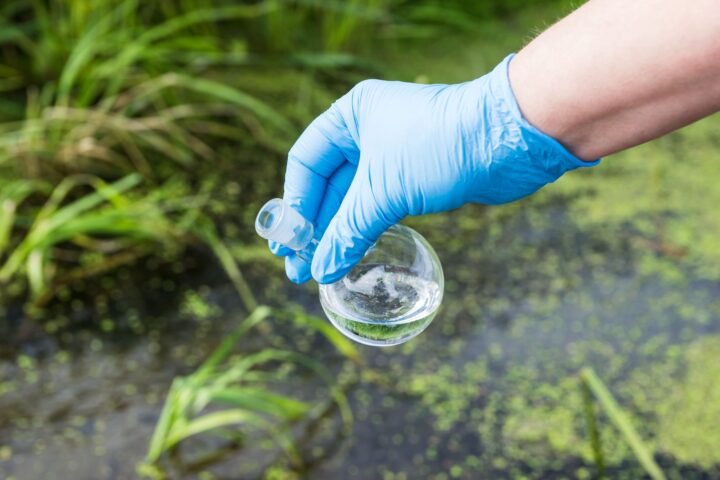
This is where water quality assessment becomes important. It provides a clearer picture of what’s actually in your water instead of what it seems like on the surface. A proper assessment can check for minerals, contaminants, microbial presence, and chemical balance.
The results often surprise homeowners. Water that seemed perfectly fine sometimes shows unexpected imbalances, while visibly odd water may turn out less harmful than assumed. Either way, the clarity helps people make informed decisions instead of guessing.
Continue in this orbit: Better Water Begins With Knowing What Your Home Actually Needs
Everyday Habits That Make a Difference
You don’t always need complex systems or expensive setups to improve water safety at home. Small habits can already make a noticeable difference over time.
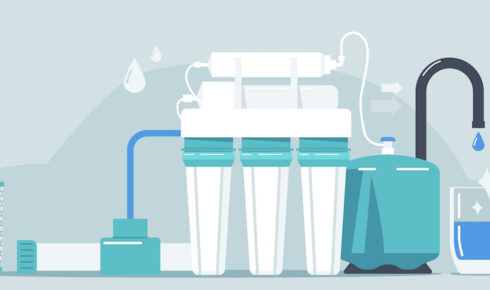
Flushing taps after long periods of inactivity, cleaning storage tanks regularly, and using basic filtration systems can reduce a lot of common issues. Even something as simple as checking your plumbing once in a while can prevent long-term buildup of unwanted materials.
Continue in this orbit: Choosing the Right Water Treatment System for Everyday Comfort
It’s also worth paying attention to changes. If water suddenly tastes different or your appliances start showing scaling faster than usual, those are subtle signals worth investigating instead of ignoring.
The Balance Between Awareness and Overthinking
It’s easy to swing between two extremes—either ignoring water quality completely or worrying about every small detail. The reality sits somewhere in the middle. Not every issue is urgent, but not everything should be dismissed either.
Understanding your water doesn’t have to feel technical or overwhelming. It’s more about developing awareness over time. Once you start noticing patterns—seasonal changes, taste differences, or appliance behavior—you begin to understand your water in a more practical way.
A Simple Perspective to End With
Clean water is something we assume will always be there in the background, quietly doing its job. And most of the time, it is. But occasional attention helps ensure it stays that way.
You don’t need to obsess over every drop. Just be curious enough to ask, every now and then, whether what looks fine is actually fine. That small shift in thinking is usually enough to stay ahead of problems rather than reacting to them later.
In the end, water is simple—but the systems behind it aren’t. And a little awareness goes a long way in keeping that simplicity intact.