


Most people don’t spend much time thinking about water until something feels wrong. That’s just human nature, I guess. If the tap runs, the shower gets hot, and the coffee tastes mostly normal, we move on with our lives without questioning much.
But every now and then, little things start adding up.
A strange smell when the faucet first turns on. Dry skin after showers. Glasses coming out cloudy from the dishwasher. Maybe the water suddenly tastes a bit sharp, almost like a swimming pool.
That’s usually when homeowners begin paying closer attention to what’s actually flowing through their pipes every day.
Water Is One of Those Invisible Essentials
The funny thing about water is how deeply connected it is to daily life while remaining almost completely unnoticed most of the time.
We cook with it, clean with it, wash clothes in it, brush our teeth with it, and drink it without a second thought. It quietly touches nearly every routine we have.
And because it’s so familiar, small changes stand out quickly once you notice them.
I remember visiting a friend who kept buying bottled water even though her city water was technically safe. At first I thought she was just being picky. Then I tasted the tap water myself and immediately understood what she meant. It had a strong chemical edge that lingered long after each sip.
Turns out the local supply had recently increased chlorine levels during a treatment adjustment.
The water wasn’t dangerous, but it definitely wasn’t pleasant either.
Safe Water and Comfortable Water Aren’t Always the Same Thing
That distinction matters more than people realize.
Municipal water systems work hard to maintain public health, and modern treatment methods have dramatically improved overall safety compared to previous generations. But “safe” doesn’t automatically mean ideal for every household experience.
Sometimes water contains excess minerals that leave residue behind. Sometimes chlorine affects taste or odor. Older plumbing systems can contribute sediment or metallic flavors over time.
None of these issues necessarily signal disaster, but they absolutely influence comfort.
And honestly, comfort inside a home matters.
Nobody wants showers that leave skin feeling dry or kitchen water that smells vaguely chemical every morning.
The Rise of Home Filtration Systems
Over the past several years, more homeowners have started exploring water filtration options not because they’re panicking, but because they want better everyday experiences.
That’s an important difference.
People aren’t necessarily trying to achieve laboratory-grade purity. Most simply want water that tastes cleaner, smells neutral, and feels more comfortable to use around the house.
And filtration technology has become much more accessible than it used to be.
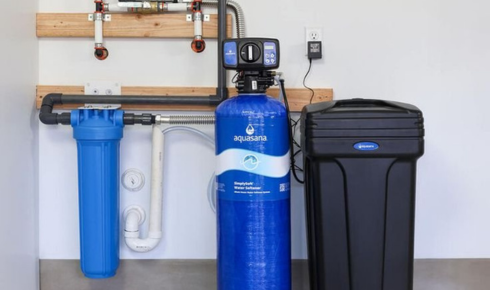
Some homes only need a simple under-sink carbon filter to improve taste and odor. Others benefit from whole-house systems designed for mineral-heavy water or sediment reduction. Rural homes using wells often have completely different priorities than urban apartments connected to municipal lines.
That’s why there’s no universal “best” solution.
Every home has its own water story.
Why Taste and Smell Affect Us So Much
One thing people underestimate is how emotionally connected we are to water.
If water smells strange, we instinctively hesitate before drinking it. If it tastes harsh, we unconsciously avoid it and start reaching for bottled drinks instead. Even subtle changes can affect trust without us realizing it.
I knew someone who constantly complained about feeling dehydrated because she “forgot” to drink water during the day. Later, after installing a simple filter, she realized she actually disliked the taste of her tap water and had been avoiding it subconsciously.
Funny how small things shape habits.
That’s partly why conversations around water safety have become more common. People want reassurance that the water flowing into their homes feels dependable, not just technically acceptable.
And honestly, that’s a pretty reasonable expectation.
Small Water Problems Become Big Annoyances Over Time
Water issues rarely arrive dramatically.
More often, they creep into everyday routines through little frustrations people slowly normalize. Soap that won’t lather properly. White marks on shower doors. Coffee makers clogging too quickly. Towels that feel rough no matter how much fabric softener you use.
Individually, those things seem minor.
Together, though, they quietly shape how comfortable a home feels.
That’s why improving water often creates a surprisingly noticeable difference even when the changes seem small on paper.
Better tasting coffee. Cleaner dishes. Softer laundry. Showers that feel more refreshing instead of drying.
Nothing flashy. Just easier living.
Water Is Easy to Ignore Until It Changes
At the end of the day, water is one of those household systems we barely acknowledge when it’s working properly.
That’s probably why even minor issues feel so disruptive once they appear. Water touches nearly every corner of daily life, so small changes ripple outward quickly.
And maybe that’s why more homeowners are paying attention now than they used to.
Not out of fear exactly, but because people want homes that feel healthier, cleaner, and more comfortable without constant little irritations getting in the way.
Sometimes improving a home isn’t about huge renovations or expensive upgrades.
Sometimes it’s simply about making the basics feel right again.