


Most people don’t think much about water until something feels wrong. It usually starts small. Maybe your coffee suddenly tastes strange, or your shower leaves your skin feeling dry for no obvious reason. Sometimes it’s visual — cloudy glasses from the dishwasher, white spots around faucets, or water that just doesn’t seem as fresh as it used to.
Funny thing is, water affects daily life so constantly that we almost stop noticing it until problems appear.
I remember talking with a homeowner who moved into an older property just outside the city. Beautiful house, newly renovated kitchen, quiet neighborhood. But after a few weeks, they realized they were buying bottled water almost every day because nobody trusted the tap. “The water’s probably fine,” they kept saying, though the hesitation in their voice suggested otherwise.
Eventually they addressed the issue properly, and what surprised them most wasn’t just the better taste. It was how much more comfortable the entire house suddenly felt afterward.
That’s the part people underestimate about water quality. It quietly shapes routines in ways we rarely think about until those routines improve.
Why Water Quality Matters Beyond Drinking
People often associate water concerns only with what comes out of the kitchen faucet. But water moves through every corner of a home — showers, washing machines, dishwashers, sinks, water heaters, even the ice maker sitting quietly inside the freezer.
When water quality declines, the effects spread everywhere.
Hard minerals can shorten appliance lifespan. Sediment may clog fixtures over time. Chlorine-heavy water often affects taste, odor, and even skin comfort after bathing. Some households notice dry laundry or dull-looking dishes long before realizing the water itself might be responsible.
Improving drinking water quality often becomes the first step because taste is the easiest thing people notice immediately. Once water tastes cleaner and fresher, families naturally drink more of it. Coffee improves. Tea tastes smoother. Even basic cooking feels different somehow.
And honestly, there’s something reassuring about filling a glass directly from the tap without second-guessing what’s in it.
Most Water Problems Build Slowly
One reason homeowners delay dealing with water issues is because the changes happen gradually.
You adapt.
The faint chlorine smell becomes normal. Mineral spots become part of your cleaning routine. Reduced water pressure feels like an aging-house issue rather than something worth investigating.
Then one day you visit someone else’s home and suddenly realize your own water doesn’t feel nearly as pleasant as you thought.
That slow adjustment is exactly why regular water testing matters more than many people realize. Water can carry minerals, sediment, bacteria, or contaminants without creating dramatic warning signs. Clear water isn’t automatically perfect water.
A family friend learned this after moving into a rural home with a private well. The water looked completely normal, but testing revealed elevated mineral content and sediment issues affecting both plumbing and appliance efficiency. They hadn’t noticed because the changes developed gradually over time.
Once treatment systems were installed, though, the difference became obvious within weeks.
Why Whole-Home Solutions Are Becoming More Popular
Point-of-use filters are helpful for certain situations, especially in kitchens. But many homeowners eventually realize water issues don’t stop at the sink.
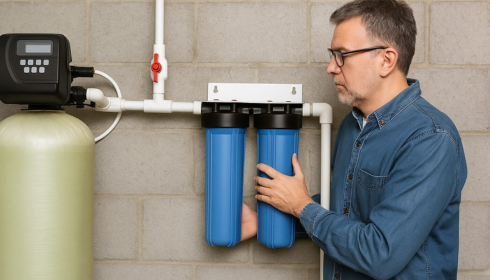
That’s where whole house filtration systems have gained so much attention recently. Instead of treating only drinking water, these systems filter water as it enters the home, meaning showers, appliances, laundry, and every faucet benefit from cleaner water.
People are often surprised by the little improvements they notice afterward:
- Softer-feeling laundry
- Cleaner dishes with fewer spots
- Reduced buildup around fixtures
- Better shower comfort
- Longer appliance lifespan
One homeowner described the experience perfectly: “The house just feels cleaner now.” Not scientific wording, maybe, but surprisingly accurate.
And unlike some home upgrades that only affect appearance, water improvements influence dozens of routines every single day.
The Emotional Side of Water Quality
There’s another layer to all this that rarely gets discussed openly.
Water quality affects peace of mind.
When homeowners don’t fully trust their water, it changes behavior quietly. People buy cases of bottled water. They avoid using ice from the freezer. They hesitate before letting kids drink directly from the tap.
Even when concerns turn out to be minor, uncertainty creates stress in the background of everyday life.
That’s why so many people describe improved water systems as a “comfort upgrade” rather than just a plumbing improvement. It’s about confidence as much as filtration.
A homeowner once told me their favorite part of fixing their water wasn’t the cleaner dishes or softer towels. It was “finally stopping worrying about it.”
Honestly, that makes perfect sense.
Better Water Changes Daily Life in Small Ways
One interesting thing about improving water quality is that the benefits rarely feel dramatic all at once. Instead, they appear gradually through small everyday moments.
Coffee tastes cleaner. Showers become more enjoyable. Appliances run more efficiently. Guests stop asking for bottled water when they visit.
Individually, these aren’t life-changing moments. Together, though, they create a home that simply feels healthier and easier to live in.
And maybe that’s why more homeowners are paying attention to water now than they used to. People are beginning to realize water isn’t just another utility hidden behind walls and pipes.
It’s something every person in the house interacts with constantly, every single day.
Once you experience reliable, better-tasting water throughout the home, it becomes surprisingly difficult to imagine going back to simply tolerating whatever comes out of the tap.