


There’s something oddly personal about arriving home at the end of the day. Maybe it’s the quiet moment before stepping inside, or maybe it’s just habit after years of repetition. Either way, the entrance to a home becomes part of daily life in ways most people don’t think about until something changes.
A new lock. A different handle. Better lighting near the porch. Suddenly the house feels slightly different, even if nothing else changed.
That’s the thing about front entrances — they quietly influence comfort, convenience, and even peace of mind every single day.
For years, homeowners mainly focused on doors from a decorative perspective. Color, material, style. But lately, people are paying more attention to how entrances actually function in real life. And honestly, it makes sense. We use them constantly.
Technology Is Quietly Changing Everyday Routines
Home design has evolved a lot over the last decade. Smart thermostats became common. Video doorbells became normal almost overnight. Lights, speakers, garage doors — everything slowly became connected.
Naturally, front entrances evolved too.
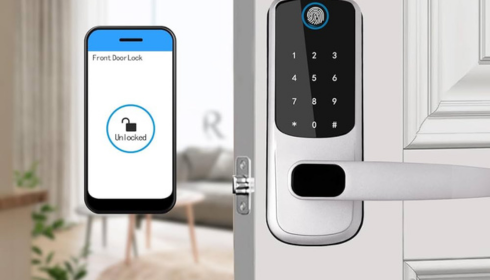
One of the biggest shifts has been the rise of keyless entry systems. At first, a lot of people treated them like a luxury feature or a tech gimmick. But after using one regularly, most homeowners realize how convenient they actually are.
No more digging through bags looking for keys in the rain. No more standing outside after a walk wondering whether you remembered to bring the spare key. No more hiding backup keys under flowerpots where everyone somehow knows to look anyway.
It’s one of those upgrades that sounds small until it quietly improves daily routines over and over again.
A friend of mine installed a keypad lock system last winter after getting locked out twice within a month. Now he jokes that it’s the most practical home upgrade he’s made in years. Not flashy. Just useful.
And honestly, that’s what many homeowners seem to want now — less unnecessary complication, more thoughtful convenience.
Security Matters, But So Does Comfort
Of course, convenience only works when people trust the system protecting their home.
That’s why conversations around door security have changed too. Homeowners aren’t just looking for strong locks anymore. They want security that feels integrated naturally into the home rather than something bulky or intimidating.
Modern entrance systems combine multiple layers of protection now. Reinforced frames. Smart deadbolts. Motion alerts. Stronger materials. Remote access monitoring. But the best setups don’t constantly remind you they’re there.
Good security quietly creates peace of mind in the background.
And honestly, emotional comfort matters more than people realize. Knowing the entrance is secure changes how relaxed people feel when traveling, sleeping at night, or leaving the house for extended periods.
That sense of reliability becomes part of the experience of home itself.
At the same time, people still want entrances to feel warm and welcoming. Nobody wants a house that feels like a bank vault. The balance between safety and comfort is where thoughtful design really matters.
The Front Door Became a Design Feature Again
For a while, front entrances felt oddly overlooked in residential design. Homeowners obsessed over kitchens and bathrooms while leaving outdated builder-grade doors untouched for years.
That’s changed recently.
The modern front door has become an actual focal point again, not just a practical necessity. People are investing more in materials, hardware, proportions, lighting, and architectural details because they’ve realized the entrance shapes first impressions immediately.
And not only for guests.
You experience your own front entrance every single day. Leaving for work. Bringing groceries inside. Welcoming friends. Watching kids run through the doorway after school. Those little routines create emotional familiarity around the space.
That’s why thoughtfully designed entrances tend to feel meaningful in ways homeowners don’t always expect initially.
Simplicity Is Winning Over Flashy Trends
One thing that stands out in current home design trends is how much people are moving toward simplicity again.
Not boring simplicity. More like intentional restraint.
Instead of oversized decorative entrances with excessive detailing, homeowners are leaning toward cleaner lines, better materials, and subtle functionality. Matte black hardware. Warm wood finishes. Iron frames with narrow glass panels. Smart locks that blend naturally into the architecture.
The overall effect feels calmer and more timeless.
And honestly, that shift probably explains why modern entrances age better visually than trend-heavy designs from previous years. Simpler details usually remain appealing longer because they aren’t trying too hard to impress immediately.
Small Improvements Change Daily Life More Than Expected
What makes entry upgrades so interesting is that they improve ordinary moments repeatedly.
A lock that responds instantly. A smoother door swing. Better lighting during late evenings. The ability to unlock the house remotely when family arrives before you. Those things don’t seem life-changing individually.
But over time, they quietly improve routines.
That’s usually the difference between upgrades people appreciate for a few weeks and upgrades they continue loving years later. The best home improvements integrate naturally into everyday life rather than existing purely for appearance.
Home Should Feel Easy to Return To
At the end of the day, entrances are emotional spaces as much as architectural ones.
They represent arrival. Safety. Familiarity. The transition between outside stress and inside comfort.
That’s why homeowners are paying more attention to front entrances now. Not simply to impress visitors, but because these details genuinely affect daily experience.
A thoughtfully designed entrance creates something subtle but important — ease. Ease when leaving in the morning. Ease when returning home tired at night. Ease knowing the house feels both welcoming and secure.
And honestly, that balance matters more than most design trends ever will.