


A water system usually becomes invisible when it’s working well. You don’t think about the softener in the garage or the filter tucked near the utility line. You just enjoy clearer water, fewer stains, better-tasting drinks, and maybe a little less scrubbing around the taps. That’s the ideal, really.
But every system has a lifespan. Filters clog, valves age, resin loses strength, tanks wear down, and technology improves. At some point, homeowners start asking the practical question: should I repair what I have, or is it smarter to move on?
The First Step Is Knowing What’s Wrong
Before replacing anything, it helps to understand the actual condition of the equipment. A professional repair evaluation can show whether the issue is minor, moderate, or a sign that the system is nearing the end of its useful life.
Sometimes the fix is simple. A clogged injector, incorrect setting, worn seal, old filter, or salt bridge may be all that’s causing trouble. Other times, the system may be undersized, outdated, or too worn to justify repeated repairs. Guessing can get expensive, especially if one repair leads to another a few months later.
Warning Signs You Shouldn’t Ignore
Water systems tend to give clues before they fail completely. Hard water may return. Pressure may drop. Stains might show up again around sinks or toilets. The water may taste different, smell odd, or leave cloudy spots on glassware. A softener may regenerate too often, or not at all.
These symptoms don’t always mean replacement is needed, but they do mean the system deserves attention. Waiting too long can allow mineral buildup, sediment, or untreated water to affect plumbing and appliances.
When Repairs Still Make Sense
Repairing an existing system is often the best choice when the equipment is fairly new, properly sized, and has been maintained well. If the main parts are still in good condition, replacing a valve, filter housing, control head, or small component may restore performance without a major investment.
A good technician should be honest about this. Not every service call should turn into a sales pitch. If repair is sensible, repair should be the recommendation.
When Replacement Becomes the Better Value
There comes a point where repeated repairs stop making financial sense. If the system is old, inefficient, or no longer matches the home’s water demand, replacement may cost less in the long run. This is especially true if the water quality has changed or if the household has grown.
Modern system upgrades can offer better efficiency, improved filtration, smarter regeneration, lower salt usage, better water pressure, and easier maintenance. Newer systems may also be better suited to today’s water concerns, including sediment, hardness, chlorine taste, iron, or drinking-water quality.
An upgrade is not about replacing equipment just because it’s old. It’s about solving the problem more effectively.
Trade-In Options Can Make Upgrading Easier
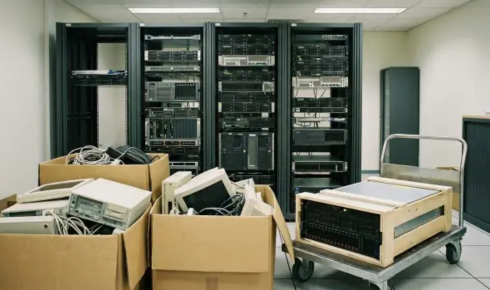
For homeowners who hesitate because of upfront cost, a trade-in program can make the decision less stressful. Some providers allow customers to trade in older water softeners, filters, or treatment units and apply value toward a newer system.
This can be especially helpful when the old system still has some usable components but no longer performs well enough for the home. Instead of paying for another temporary repair, the homeowner can put that money toward equipment that is more efficient and reliable.
Think About the Whole Home, Not Just the Unit
A water treatment system does not work in isolation. It affects fixtures, pipes, water heaters, dishwashers, washing machines, coffee makers, ice machines, and daily comfort. If the existing system is failing, the impact may spread quietly through the home.
That’s why the decision should include more than the cost of repair versus replacement. Consider appliance protection, cleaning effort, water taste, staining, pressure, maintenance time, and energy efficiency. Sometimes the better value is not the cheapest immediate option.
Maintenance History Matters
A well-maintained system can last longer and perform better. But if filters were skipped, salt levels ignored, or service delayed for years, the equipment may wear faster. During an inspection, the technician should look at not only the current problem but also the overall condition of the system.
This gives a clearer picture of what to expect next. Nobody wants to repair one part today only to discover another major issue a few weeks later.
Choose Advice, Not Pressure
The best water treatment companies help homeowners make informed decisions. They test the water, inspect the equipment, explain the options, and give practical recommendations. Repair, replacement, or upgrade should be based on facts, not fear.
If your system is acting up, start with an honest evaluation. You may only need a simple fix. Or you may discover that a newer, better-sized system will save trouble over time.
Either way, clean, reliable water should not feel like a gamble. With the right guidance, you can choose the option that protects your home, fits your budget, and keeps your water working quietly in the background.