


Water rarely gets much attention in a business until something goes wrong. A restaurant notices cloudy glassware. A hotel receives guest complaints about water spots in the shower. A manufacturing facility deals with unexpected equipment maintenance because of mineral buildup. In offices, employees simply stop drinking tap water because it tastes off.
These situations may seem unrelated, but they often trace back to the same source: water quality.
Whether a company serves customers directly or relies on water behind the scenes, the quality of that water has a surprisingly broad impact. It affects operating costs, equipment performance, customer satisfaction, and even the overall reputation of a business. That’s why more organizations are beginning to view water treatment not as an optional upgrade, but as part of running an efficient operation.
Water Supports More Business Operations Than You Think
Almost every industry depends on water in some way.
Restaurants use it for cooking, cleaning, and beverage preparation. Hotels rely on it for guest rooms, laundry facilities, kitchens, and spas. Healthcare centers require dependable water for sanitation, while manufacturing plants often depend on consistent water quality during production.
Even businesses that don’t use large volumes of water still depend on it for employee comfort, coffee stations, restrooms, and maintaining workplace cleanliness.
Because water touches so many daily operations, even small quality issues can quietly affect productivity and long-term expenses.
The Hidden Cost of Poor Water Quality
Many water problems develop gradually.
Mineral deposits accumulate inside boilers, pipes, dishwashers, cooling towers, and water heaters. Equipment begins consuming more energy, maintenance becomes more frequent, and unexpected downtime starts appearing more often.
Cleaning products may become less effective, leaving employees to work harder for the same results. Fixtures require constant scrubbing, and glass surfaces lose their polished appearance.
These aren’t dramatic failures that happen overnight. Instead, they’re slow operational costs that add up month after month.
Understanding the true impact of water quality often reveals opportunities to reduce expenses while improving overall efficiency.
Every Business Has Different Water Requirements
A food processing facility doesn’t have the same water needs as an apartment complex.
Likewise, a hotel’s priorities differ significantly from those of an office building or automotive repair shop. Water usage varies by industry, which means treatment strategies should vary as well.
That’s why businesses often benefit from commercial water treatment designed specifically around their daily operations, water usage, and existing infrastructure. Rather than relying on generic equipment, customized systems target the challenges most relevant to the organization.
The result is improved reliability, greater efficiency, and better long-term value.
Hard Water Creates Expensive Problems
Hard water is one of the most common commercial water concerns.
Although naturally occurring minerals like calcium and magnesium aren’t generally considered harmful, they create scale that builds inside plumbing systems and equipment over time.
In commercial environments where water usage is high, that buildup happens much faster than many business owners realize.
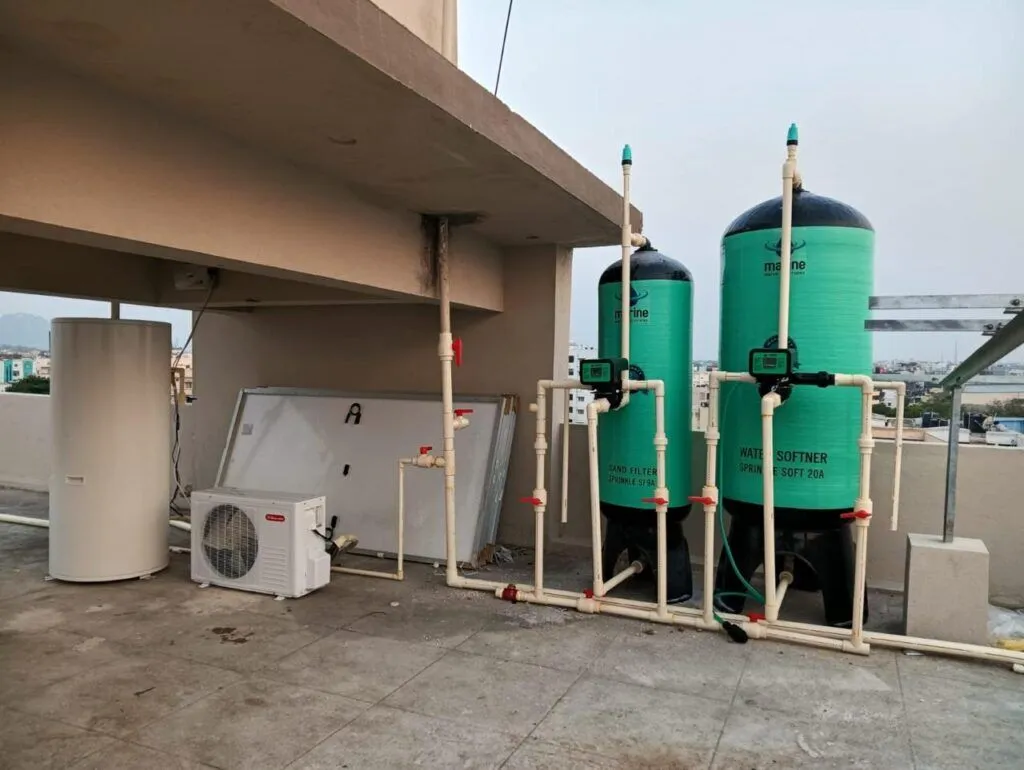
Installing commercial water softeners helps reduce mineral accumulation before it becomes a costly maintenance issue. Water heaters operate more efficiently, plumbing remains cleaner, and equipment requiring heated water typically performs more consistently.
For businesses that depend on uninterrupted operations, reducing mineral buildup can translate directly into fewer repairs and longer equipment life.
Better Water Improves Customer Experience
Sometimes the effects of improved water quality are visible to customers almost immediately.
Restaurants serve beverages with better flavor. Hotels provide brighter towels and cleaner shower fixtures. Car washes leave fewer water spots behind, while salons enjoy more consistent results during hair treatments.
These small improvements shape how customers perceive the business, even if they never consciously think about the water itself.
It’s often the little details that influence whether someone returns or recommends a company to others.
Choosing the Right Technology Matters
The market offers countless treatment options, making it tempting to purchase equipment based solely on price.
That approach rarely produces the best outcome.
Water chemistry differs between regions, municipal supplies, and private wells. Some businesses primarily need sediment removal, while others require chlorine reduction, scale prevention, or specialized purification.
Modern filtration systems are available in a wide variety of configurations, allowing businesses to address their specific water concerns without investing in unnecessary technology. Matching treatment methods to actual water conditions improves performance while keeping operating costs under control.
Testing water before selecting equipment remains one of the smartest decisions any business can make.
Water Quality Supports Sustainability Goals
Many companies are actively searching for ways to reduce waste, improve efficiency, and lower environmental impact.
Water treatment contributes to those goals in several practical ways.
Equipment operating with cleaner water often consumes less energy. Reduced scale buildup improves heating efficiency, while better-performing appliances typically require fewer repairs and replacements over time.
Businesses may also reduce reliance on bottled water by providing employees and customers with higher-quality drinking water directly from the tap.
These improvements benefit both operational budgets and broader sustainability initiatives.
Maintenance Is an Investment, Not an Expense
Installing treatment equipment is only the beginning.
Like any important business asset, water systems require routine maintenance to continue operating effectively. Filter replacements, system inspections, and occasional servicing help ensure consistent performance throughout the year.
Ignoring maintenance may reduce efficiency and eventually create larger repair costs that could have been avoided with simple preventive care.
Fortunately, modern commercial systems are designed for reliability and straightforward servicing, making ongoing maintenance much easier than many business owners expect.
Reliable Water Creates Reliable Businesses
Success often depends on consistency.
Customers expect clean facilities, dependable service, quality products, and professional environments every time they visit. Water quietly supports all of those expectations behind the scenes.
From protecting expensive equipment to improving cleaning results, supporting employee comfort, and enhancing customer satisfaction, quality water delivers benefits that reach far beyond the plumbing room.
Investing in the right water treatment solution isn’t simply about solving today’s problems. It’s about creating a stronger foundation for future growth, reducing operational costs, and ensuring the business continues running efficiently year after year.
Like many worthwhile investments, the greatest value often comes from the problems you never have to deal with in the first place.