
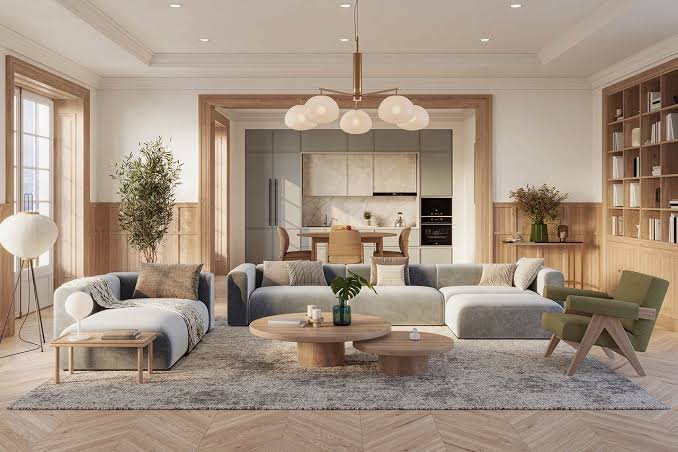


A Home Should Feel Like It Knows You
Some homes are beautiful in photographs but somehow feel cold the moment you walk inside. Others aren’t filled with expensive furniture or dramatic finishes, yet they instantly make you feel comfortable. That difference rarely comes down to budget alone. More often than not, it’s the result of thoughtful design that puts people before trends.
A well-designed home isn’t simply a collection of attractive rooms. It’s a place that quietly supports everyday routines, celebrates personal style, and adapts as life changes. Whether you’re renovating an older property or building from scratch, the best interiors begin with one simple question: How do you actually want to live here?
It’s surprising how often people skip that step. They fall in love with images online, save dozens of inspiration photos, and start choosing colours before they’ve even considered how the space should function. Good design works the other way around. It starts with real life, then builds beauty around it.
Every Great Home Starts with a Smart Plan
Before cabinets are installed or furniture is ordered, there needs to be a clear understanding of how each room will be used. That early planning stage can completely change the success of a project.
Families with young children have different priorities than empty nesters. Someone working remotely may need a quiet office, while another person dreams of an open kitchen where friends naturally gather. Lifestyle shapes every design decision.
That’s why thoughtful space planning is one of the most valuable investments during any renovation. It’s about arranging rooms, furniture, lighting, and storage so movement feels natural rather than forced. Hallways become more efficient, kitchens become easier to work in, and living areas begin serving multiple purposes without feeling crowded.
When a home’s layout supports daily routines, everything else tends to fall into place.
Looking Beyond What’s Trending
Interior design trends can be exciting. Every year introduces fresh colours, new materials, and creative decorating ideas. While trends certainly offer inspiration, they shouldn’t become the foundation of your entire home.
Think back to homes decorated a decade ago. Certain styles instantly reveal their age, while others still look fresh today. The difference usually comes down to balance.
Timeless interiors focus on quality materials, comfortable proportions, natural light, and carefully selected finishes. They leave enough flexibility for smaller decorative updates over time without requiring another full renovation every few years.
Choosing classic elements doesn’t mean sacrificing personality. Instead, it creates a calm backdrop where personal touches can shine naturally.
Working with Professionals Makes a Difference
Many homeowners enjoy being involved in design decisions, and that’s part of the fun. At the same time, there are countless details that professionals notice simply because they’ve solved similar challenges many times before.
Sometimes it’s recognising that a doorway should shift a few feet for better traffic flow. Other times it’s recommending different lighting layers or suggesting storage opportunities that weren’t immediately obvious.
This kind of expert design guidance often prevents expensive mistakes before construction even begins. It can also introduce ideas homeowners may never have considered on their own.
The collaboration works best when it’s exactly that—a collaboration. Designers contribute experience and technical knowledge, while homeowners bring personality, priorities, and a vision for how they want their home to feel.
Designing Around Real Life Instead of Perfect Photos
Social media has completely changed the way people approach interior design. Endless streams of perfectly styled kitchens, living rooms, and bedrooms make inspiration easier than ever.
But there’s one small problem.
Those images are often created for cameras rather than everyday living.
Real homes collect shoes by the front door, backpacks on weekdays, groceries after work, and blankets during movie nights. Great design embraces those realities instead of pretending they don’t exist.
Storage, durable materials, practical flooring, and comfortable seating suddenly become just as important as statement lighting or decorative accessories. When functionality leads the conversation, beauty naturally follows.
A house shouldn’t demand constant maintenance simply to look good. It should make daily life a little easier without sacrificing style.
Personal Design Creates Lasting Satisfaction
No two families live exactly the same way, which is why identical floor plans often end up feeling completely different once people move in.
Some homeowners need extensive kitchen storage because cooking is part of everyday life. Others value reading corners, entertainment spaces, hobby rooms, or quiet retreats filled with natural light.
That’s where custom design solutions truly stand apart. Rather than forcing homeowners to adapt to standard layouts, custom approaches shape spaces around individual lifestyles and long-term needs.
It could mean adding built-in shelving around a fireplace, creating hidden pantry storage, designing a multifunctional guest room, or incorporating flexible furniture that evolves with growing families.
These personal touches rarely attract attention in flashy magazine spreads, but they’re often the features homeowners appreciate most after years of living in the space.
Small Details Quietly Shape Everyday Comfort
People naturally notice large design elements like flooring, cabinetry, and furniture. Yet some of the most important decisions happen behind the scenes.
The placement of electrical outlets. The direction cabinet doors open. The height of shelving. The amount of natural light entering a room at different times of day.
Individually, these choices seem minor. Together, they influence how enjoyable a home feels every single day.
Good design often disappears into the background because everything simply works. There’s no struggle to find storage, awkward furniture arrangements, or spaces that feel underused. The home quietly supports its owners without demanding attention.
That’s a sign that careful planning happened long before the decorating began.
Homes That Grow with You
Life has a funny way of changing when we least expect it. Families expand, children leave home, careers shift, hobbies evolve, and priorities naturally change over time.
The strongest interior designs allow for that flexibility.
Instead of creating rooms with only one purpose, adaptable spaces continue serving homeowners through different stages of life. A nursery eventually becomes a study. A guest room transforms into a fitness area. Open living spaces accommodate both quiet evenings and lively family gatherings.
Designing with the future in mind doesn’t require predicting every detail. It simply means creating spaces that remain useful, comfortable, and welcoming as life unfolds.
In the end, truly successful interior design isn’t measured by how closely it follows current trends. It’s measured by how naturally it supports everyday living.
When careful planning meets creativity, when professional experience meets personal vision, and when beauty works alongside practicality, the result is something far more meaningful than a stylish house.
It becomes a home people genuinely enjoy coming back to—day after day, year after year.