Water is easy to trust when it looks clear. Most of us turn on the tap, fill a glass, and move on with the day without thinking too much about what may be in it. And honestly, that’s normal. Water is supposed to be simple. It is part of breakfast, laundry, showers, cooking, cleaning, and all those ordinary routines that keep a home moving.
But sometimes water gives little hints that something is not quite right. A strange taste in tea. A faint chemical smell from the kitchen tap. Cloudy marks on glassware. Dry skin after a shower. These are not always big red flags, but they are worth noticing. Water has a quiet way of affecting comfort, appliances, and confidence in the home.
Continue in this orbit: Better Water Begins With Knowing What Your Home Actually Needs
Why Clear Water Can Still Raise Questions
Clear water does not always mean perfect water. It may look clean in the glass and still contain minerals, chlorine, sediment, traces from old plumbing, or other unwanted substances. Some of these affect taste and smell. Others can contribute to staining, buildup, or general discomfort.
Many homeowners only start paying attention when the problem becomes annoying. Maybe bottled water becomes a weekly purchase. Maybe the kettle needs cleaning every few days. Maybe guests comment on the water’s taste, which is never a fun moment. These small signs often push people to ask a simple question: what is actually coming through the pipes?
Continue in this orbit: The Smartest Water Upgrade Begins With Knowing What’s Really in It
Understanding What May Be in the Supply
Water can pick up different things depending on its source, treatment process, and plumbing route. Municipal water is usually treated before reaching homes, but treatment can leave behind tastes or odours. Well water can vary even more, especially depending on local soil, rock, runoff, and nearby land use.
Some concerns are harmless but irritating. Others may require closer attention. That’s why people often talk about chemical contaminants when discussing water safety and home treatment. The phrase sounds serious, and sometimes it can be, but the first step is not panic. The first step is proper testing, because guessing rarely solves the right problem.
Testing Comes Before Buying Anything
One of the most common mistakes homeowners make is buying a filter based on a vague symptom. Bad taste? Buy a filter. Scale buildup? Buy another product. Odd smell? Try something else. It feels practical at the time, but without testing, it can turn into trial and error.
Continue in this orbit: Better Water at Home Starts with Understanding What’s Really in It
A water test helps identify what is really going on. It may reveal hardness, chlorine, iron, sediment, pH imbalance, or other concerns. Once the results are clear, the solution becomes much easier to choose. Testing also helps avoid overbuying, which matters because nobody wants to pay for equipment they don’t actually need.
Choosing the Right Treatment Approach
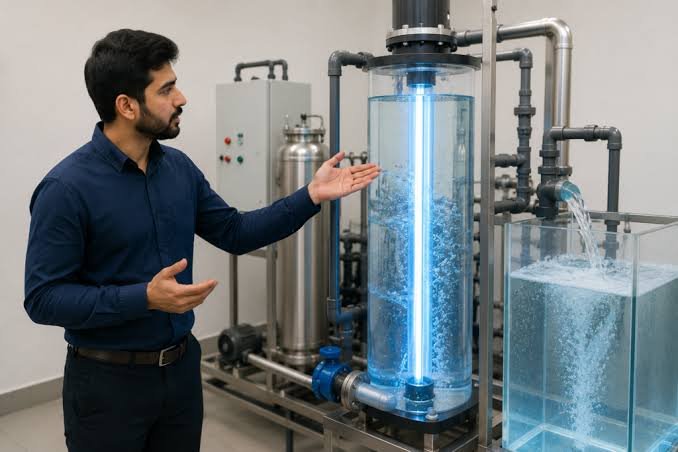
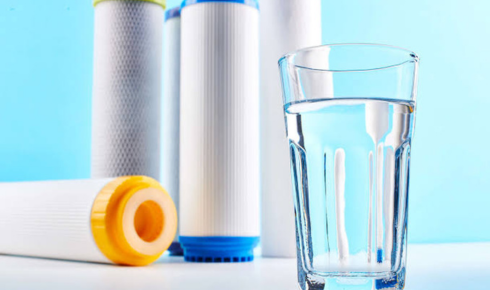
Not every water issue needs the same fix. A home dealing with hard water may need a softener. A family concerned about taste and smell may need carbon filtration. A property with sediment may need a pre-filter. Drinking water concerns may call for a more focused under-sink system or reverse osmosis setup.
Continue in this orbit: Finding the Right Water System for a More Comfortable Home
Good filtration systems are designed around specific water problems, not just general promises. That is why matching the system to the water test matters so much. The right equipment can improve daily comfort and reduce unwanted particles or taste issues. The wrong equipment may look impressive but do very little for the actual concern.
The Everyday Benefits People Notice
When water improves, the benefits often show up in small but satisfying ways. Coffee tastes cleaner. Ice cubes don’t carry an odd flavour. Soap rinses more easily. Laundry may feel fresher. Fixtures may stay cleaner for longer. None of this is wildly dramatic, but it makes home life feel easier.
There is also a confidence factor. When people understand their water and know it has been properly addressed, they stop second-guessing every glass or every shower. That peace of mind is part of the value, even if it is hard to measure on paper.
Continue in this orbit: Cleaner Water, Healthier Living: Why the Right Filtration System Matters More Than You Think
Protecting Appliances and Plumbing
Water quality is not only about drinking. The same water also runs through water heaters, washing machines, dishwashers, coffee makers, taps, showerheads, and pipes. If water carries high mineral levels or sediment, those appliances and fixtures may slowly collect buildup.
Over time, buildup can affect efficiency and performance. A water heater may work harder. A dishwasher may leave spots. Showerheads may clog faster. This is why many homeowners think of treatment as a home-care decision, not just a drinking-water decision. Better water can support the things that quietly work in the background every day.
Maintenance Keeps Results Consistent
A water system is not something to install and forget forever. Filters need replacing. Media may need servicing. Softener salt may need checking. Systems should be inspected occasionally to make sure they are still doing their job properly.
It’s not glamorous, but maintenance is what keeps water treatment effective. A neglected system can gradually lose performance, and old problems may creep back in. A simple schedule, followed consistently, usually saves hassle later.
A Smarter Way to Improve the Home
Real water quality improvement starts with awareness. Not fear. Not fancy claims. Just a clear understanding of what is in the water, what needs attention, and which solution makes the most sense for the home.
The best providers explain things plainly. They do not push unnecessary upgrades or bury homeowners in technical language. They test, explain, recommend, and help people make a decision that fits the household and budget.
At the end of the day, cleaner water is not just about what comes out of the tap. It is about comfort, trust, and making daily life a little easier. Water touches almost everything at home, so improving it can quietly improve the whole routine. And sometimes, those quiet upgrades are the ones people appreciate most.