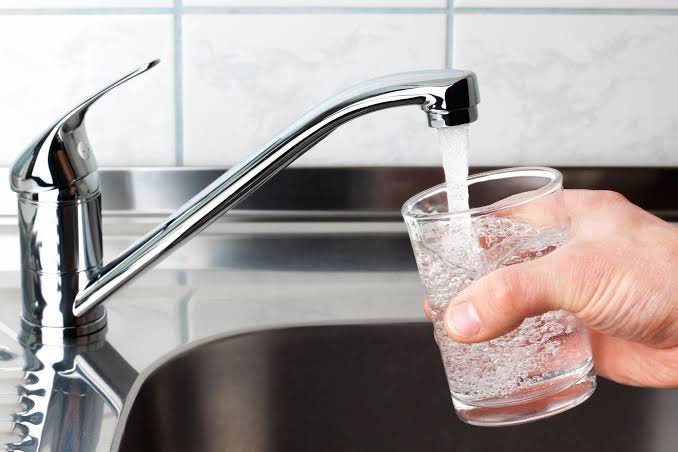
Clean water is one of those things we don’t really appreciate until it looks, smells, or tastes a little off. Most of the time, we expect the tap to run clear without giving it a second thought. You turn it on to fill a glass, rinse vegetables, wash your hands, start the laundry, or make coffee in the morning. It’s part of the background of home life.
But then one day, maybe after heavy rain, plumbing work nearby, or just out of nowhere, the water doesn’t look quite right. It may appear cloudy, yellowish, reddish, or carry tiny specks that settle at the bottom of a sink or glass. At first, you might ignore it. These things happen, right? Still, water problems have a way of getting your attention, especially when they start leaving marks on fixtures, clothes, dishes, or appliances.
Continue in this orbit: Better Water Begins With Knowing What Your Home Actually Needs
The truth is, visible water issues are often a sign that something needs to be checked. Not panicked over, necessarily. But checked.
Small Particles Can Say a Lot
One of the most common signs of a water quality issue is sediment. It can look like sand, grit, dirt, or tiny floating particles in the water. Sometimes it settles quickly at the bottom of a glass. Other times, it appears as cloudy water that clears after a few minutes. Many homeowners first notice it in bathtubs, toilet tanks, washing machine filters, or faucet aerators.
This can happen for several reasons. In homes with well water, particles may enter from soil, sand, or changes in the underground water source. In city water systems, repairs to water mains or old pipes can sometimes disturb material inside the lines. Even a water heater can collect debris over time and release it into the home’s plumbing.
Continue in this orbit: Finding the Right Water System for a More Comfortable Home
A little grit may not seem like a big deal, but over time it can be annoying and even damaging. It may clog faucet screens, reduce water pressure, affect washing machines, or make showers feel less pleasant. Nobody wants to feel like they’re rinsing off with dusty water.
Why Water Sometimes Turns Reddish or Brown
A reddish, orange, or brown tint in water usually makes people stop immediately. And fair enough. It doesn’t exactly look inviting. This discoloration is often linked to iron, corrosion, or old plumbing materials. The water may still run clear at first and then turn color after sitting, or it may come out tinted right away.
Continue in this orbit: Why Hard Water Can Slowly Affect Your Home and Appliances
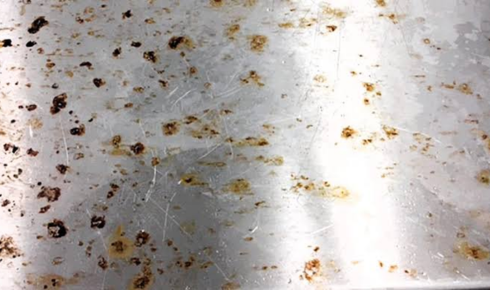
One frustrating result is iron staining on sinks, toilets, tubs, and laundry. These stains often appear orange or rusty brown, and they can be stubborn. You clean the toilet bowl, and the stain comes back. You wipe the sink, and the ring returns near the drain. White clothes may come out of the wash looking slightly yellow or dingy, even when you used good detergent.
Iron can be naturally present in groundwater, especially in well systems. It can also come from aging pipes or fixtures. The tricky part is that iron problems don’t always show up the same way in every home. Some people notice a metallic taste. Others see stains first. Some only find out after their appliances start showing signs of mineral buildup.
Old Pipes Have Their Own Story
Older homes have character, sure. Thick walls, settled floors, vintage fittings, and sometimes plumbing that has been quietly working for decades. But pipes age just like anything else. Corrosion inside plumbing lines can break loose and move through the water supply, especially after pressure changes or repairs.
Continue in this orbit: Better Water at Home Starts with the Right Kind of Balance
That’s where rust particles may start appearing in sinks, tubs, or appliance filters. They can be tiny reddish flakes or darker specks. You may notice them after the water has been sitting in the pipes overnight, or when a rarely used tap is turned on. Sometimes the issue improves after running the water for a few minutes, but if it keeps returning, it shouldn’t be brushed aside.
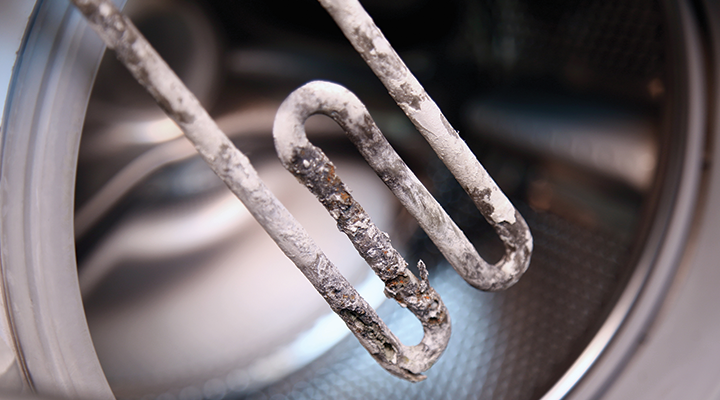
Rusty water can be tough on the home. It may stain fixtures, affect taste, clog small screens, and shorten the life of appliances that rely on clean water flow. A dishwasher, washing machine, or water heater can only perform well when the water feeding it is reasonably clean.
The Hidden Cost of Ignoring Dirty Water
Water problems don’t always cause dramatic damage overnight. That’s partly why they get ignored. A stain here, a clogged aerator there, a washing machine that needs cleaning more often. It feels manageable. Until the small problems become routine.
Continue in this orbit: Better Water at Home Starts with Understanding What’s Really in It
A faucet with reduced flow may be blamed on the fixture. A dishwasher that leaves residue may be blamed on detergent. A water heater that makes popping sounds may be blamed on age. But sometimes the real issue is what the water is carrying through the system every day.
Over time, particles and minerals can collect in appliances, valves, pipes, showerheads, and filters. That buildup may affect performance and increase maintenance. It can also make cleaning feel endless. You spend more time scrubbing stains, replacing parts, and wondering why things never stay clean for long.
Testing Before Guessing
The best first step is not buying the most expensive system you see online. It’s testing the water. A basic water test can help identify whether the issue is iron, hardness, manganese, suspended solids, pipe corrosion, or something else. Without testing, homeowners often guess based on color alone, and that can lead to the wrong solution.
For example, a simple cartridge filter may help with visible particles, but it may not solve dissolved iron. A water softener may help with hardness, but it may not remove all discoloration problems. Some homes may need filtration before a softener. Others may need treatment at the well, water heater maintenance, or plumbing inspection.
Every home has its own water story, and guessing rarely gives the full picture.
Clearer Water Makes Daily Life Easier
There’s something quietly comforting about turning on the tap and trusting what comes out. Clear water makes the kitchen feel cleaner. It keeps laundry brighter. It protects appliances a little better. It makes bathrooms easier to maintain. These are not luxury benefits, really. They’re part of having a home that works smoothly.
If your water is leaving stains, carrying grit, or looking discolored, it’s worth paying attention. Not with fear, but with curiosity and a practical mindset. Check the fixtures, notice when the issue happens, test the water, and choose a solution based on the actual cause.
Good water doesn’t just look better in a glass. It supports the whole home, quietly, every single day.