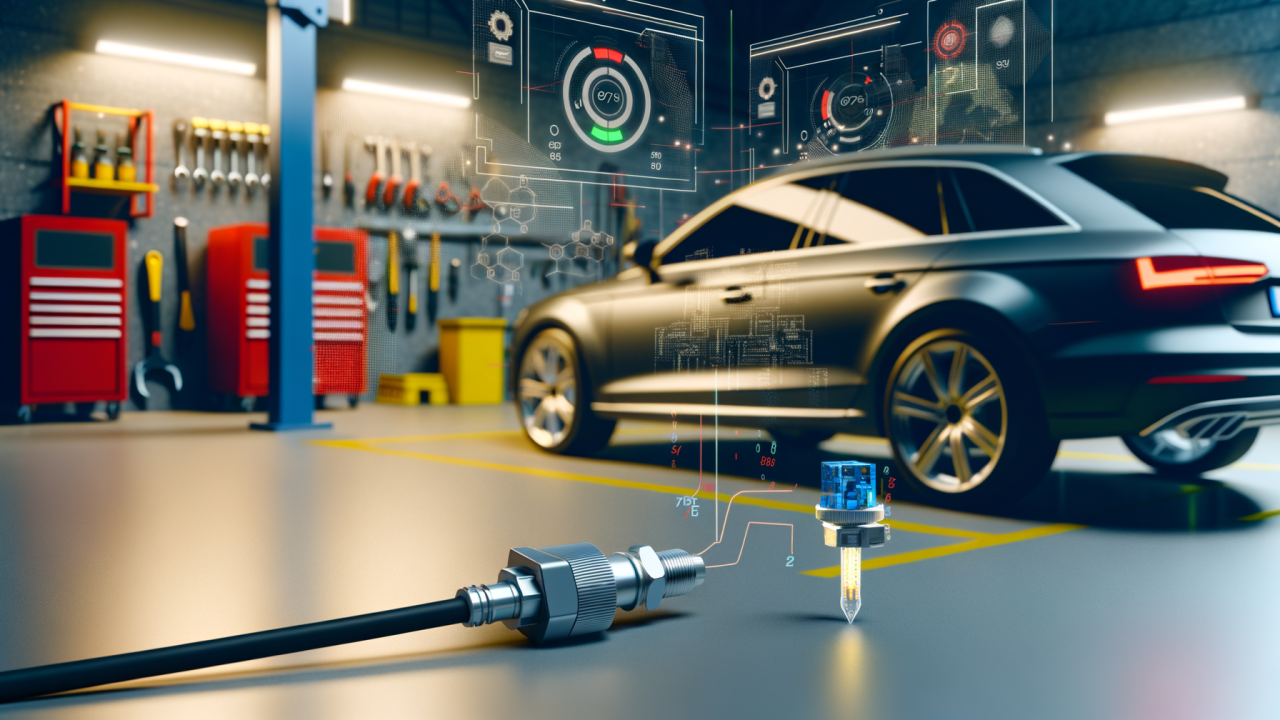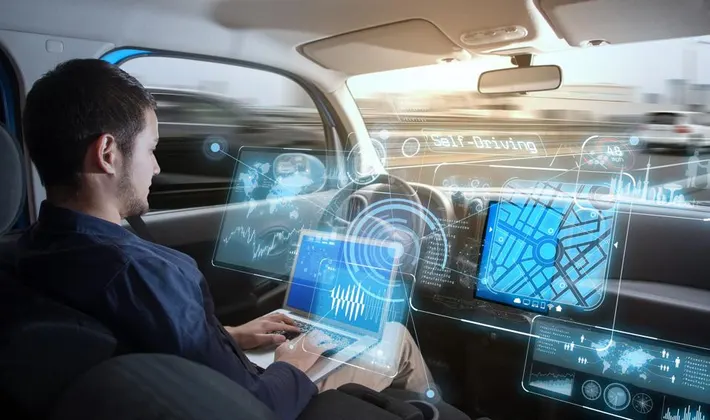
There’s a moment when you’re driving a modern car and it suddenly feels less like a machine and more like… well, a companion. It pings you about traffic, syncs your playlist, maybe even nudges you if you drift out of your lane. Somewhere in all that innovation, terms like “connected cars” and “smart cars” get tossed around like they mean the same thing. They don’t. Not quite.
Let’s unpack this in a way that actually makes sense—no jargon overload, no robotic breakdown.
Continue in this orbit: Why Solid-State Batteries Might Finally Change How We Drive Electric Cars
The Rise of Digital Driving
Cars used to be about horsepower and mileage. That was it. Now, they’re about data, connectivity, and intelligence. The shift didn’t happen overnight. It crept in—Bluetooth first, then navigation systems, then apps, then over-the-air updates. And now, we’re here.
Some cars talk to the internet. Others think for themselves. Some do both. That’s where the confusion begins.
Continue in this orbit: When Your Car Starts Thinking Ahead: The Quiet Rise of Predictive Maintenance
What Are Connected Cars?
A connected car is, at its core, a vehicle that communicates with the outside world. Think of it like your smartphone on wheels.
It connects to the internet, to other devices, sometimes even to infrastructure—like traffic signals or parking systems. You can remotely lock or unlock it, check fuel levels from your phone, or locate it in a crowded parking lot without that mild panic we all know too well.
Continue in this orbit: Choosing the Right Rental Vehicle for Modern City Travel
But here’s the thing: connected cars don’t necessarily “think.” They respond. They transmit. They share.
Imagine ordering food through an app. The app connects you to the restaurant, but it doesn’t decide what you want to eat. That’s kind of how connected cars behave.
Continue in this orbit: Better Water Begins With Knowing What Your Home Actually Needs
What Are Smart Cars?
Smart cars go a step further. They don’t just connect—they process, analyze, and act.
These vehicles use artificial intelligence, sensors, and data to make decisions. Lane-keeping assist, adaptive cruise control, collision avoidance systems… these are all signs of a smart car at work.
Continue in this orbit: Better Water Begins With Knowing What’s in It: A Practical Guide to Testing, Installation, and Reliable Treatment
In simple terms, if a connected car is about communication, a smart car is about cognition.
It’s the difference between receiving information and actually doing something meaningful with it.
Connected Cars vs Smart Cars: Key Differences Every Buyer Should Know
This is where things get interesting—and honestly, where most buyers get confused.
A connected car might alert you about traffic ahead. A smart car might automatically slow down, reroute, or even brake if needed.
Connected cars depend heavily on external data. Smart cars rely more on internal systems—cameras, radar, sensors—and their ability to interpret that data in real time.
Another subtle difference? Independence.
Connected cars need networks. Lose connectivity, and some features disappear. Smart cars, on the other hand, can still function intelligently even without internet access because much of their decision-making happens onboard.
That doesn’t mean one is better than the other. It just means they serve slightly different purposes.
Where the Lines Blur
Now, here’s the twist. Most modern vehicles aren’t strictly one or the other.
They’re hybrids.
A car might use internet connectivity for navigation updates while simultaneously using AI to assist with parking. That’s both connected and smart.
Manufacturers aren’t really choosing sides anymore. They’re blending technologies to create a more seamless driving experience.
And honestly, that’s what most people want. Not labels—just convenience.
Which One Should You Choose?
This depends less on technology and more on how you drive and what you value.
If you’re someone who loves staying connected—checking your car remotely, integrating apps, getting real-time updates—then connected features will feel essential.
But if safety, automation, and hands-on assistance matter more, smart features will probably win your attention.
Of course, in today’s market, you’ll likely get a mix of both. The real question is: which features do you actually use?
Because let’s be real—half the fancy tech in cars goes untouched after the first few weeks.
The Future Is Already Here (Kind Of)
We’re moving toward fully autonomous vehicles, though we’re not quite there yet. What we have now is a stepping stone.
Connected systems are getting faster and more integrated. Smart systems are becoming more accurate and reliable. Over time, the gap between the two will shrink even further.
At some point, the distinction might not even matter.
Your car will just… work. Smoothly, intelligently, quietly.
Final Thoughts
It’s easy to get caught up in buzzwords, especially in the automotive world where every new feature sounds like a revolution. But understanding the basics—what your car connects to, and what it can actually do on its own—makes a huge difference.
At the end of the day, whether it’s connected, smart, or a bit of both, the goal is simple: make driving easier, safer, and maybe even a little more enjoyable.
And if your car can find parking faster than you can… well, that’s already a win.