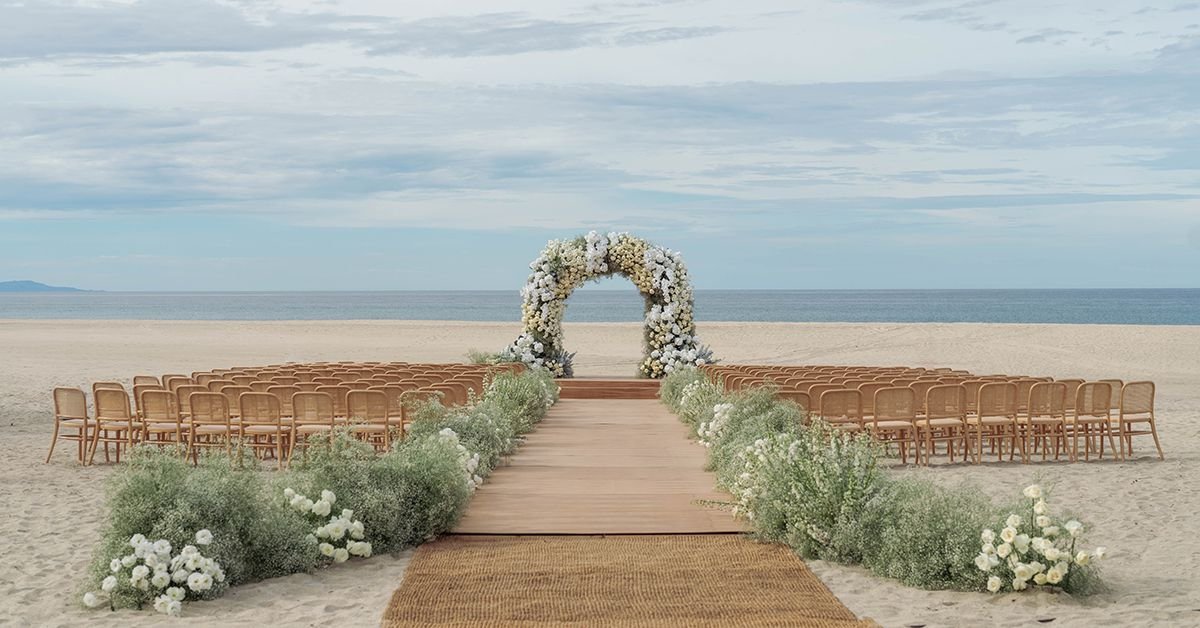
Not every memorable celebration needs a grand ballroom, a hundred guests, or months of complicated planning. Sometimes, the occasions that stay with us longest are the ones that feel personal from the beginning. A handful of close friends sharing dinner, a family gathering that stretches into the evening, or a special day spent beside the water can create memories that feel far more meaningful than an elaborate event.
The setting often has a lot to do with it. Natural surroundings give people room to relax, talk, and enjoy one another’s company without feeling as though every moment has to follow a schedule. For anyone planning a birthday, anniversary, reunion, or intimate wedding, choosing a comfortable place with the right atmosphere can make the entire experience feel easier.
Continue in this orbit: The Difficult Decisions That Shape a Company’s Future
Why Smaller Gatherings Often Feel More Personal
There is something refreshing about celebrating with a group of people who genuinely know one another. Conversations tend to flow naturally, guests have more opportunities to connect, and the host can spend time enjoying the occasion instead of managing a long list of responsibilities.
That is one reason small weddings appeal to couples who want their day to reflect their relationship rather than follow every traditional expectation. A smaller guest list can make it easier to choose a meaningful location, personalize the ceremony, and spend quality time with the people who matter most. Instead of greeting dozens of guests in a rush, couples may have the chance to share real conversations, laugh over familiar stories, and enjoy the day at a comfortable pace.
Of course, an intimate wedding still deserves thoughtful planning. Couples should consider seating, food, accessibility, photography, and weather arrangements just as they would for a larger event. The difference is that a smaller gathering may offer more flexibility when making those decisions.
Continue in this orbit: How Earthmoving Crews Can Hold Grade And Cut Rework On Busy Jobsites
It can also help to establish expectations early. Explain the style of the event, communicate the guest arrangements clearly, and decide which details are essential. When the planning reflects what the couple actually values, the celebration is more likely to feel authentic.
Choosing a Setting That Adds to the Experience
A beautiful location can change the mood of an event before the first guest arrives. Natural light, open views, fresh air, and the sound of water create an atmosphere that can be difficult to reproduce indoors. The surroundings become part of the experience rather than simply a background for photographs.
Continue in this orbit: Knowing When It’s Time to Step Away From a Business
A lakeside property, for instance, may offer space for an outdoor ceremony, a relaxed meal, or an afternoon spent catching up with family. Guests can enjoy the scenery between planned activities, and the host doesn’t necessarily need to fill every moment with entertainment.
When comparing venues, think about the practical details alongside the view. Is there enough room for everyone to sit comfortably? Can guests reach the event area without difficulty? Are restrooms, parking, and indoor shelter available? These questions may not seem especially exciting, but they matter once people begin arriving.
Continue in this orbit: How to Choose the Right Vehicle for Your Budget and Daily Life
It’s also worth visiting the property before making a final decision. Photographs can make a venue look wonderful, yet an in-person visit helps you understand the layout, lighting, noise levels, and general atmosphere. If travel isn’t possible, ask for recent photographs and clear information about the facilities.
Creating Space for Private Celebrations
Some occasions call for a little more privacy. An anniversary dinner, milestone birthday, family reunion, or engagement gathering may feel more comfortable when guests have a dedicated space rather than sharing every part of the property with other visitors.
Continue in this orbit: How GST Affects Term Insurance Premiums: A Calculator Breakdown
Well-planned private celebrations allow hosts to choose the pace and style of their event. You might arrange a casual buffet, bring together several generations of family, or plan a simple afternoon gathering followed by dinner outdoors. The goal isn’t necessarily to make everything elaborate. It’s to create an environment where people can relax and feel included.
Before booking a venue, ask what privacy actually means in practice. Is the event area reserved exclusively for your group, or might other guests use nearby spaces? Are there restrictions on music, decorations, food preparation, or event hours? If you intend to bring outside vendors, confirm whether they’re permitted and whether additional fees apply.
The guest list deserves some thought, too. A smaller gathering can still include people with different needs and preferences. Consider seating for older relatives, space for children, dietary requirements, and whether guests will need help arranging transportation.
Clear communication with the venue manager can prevent many last-minute problems. A written agreement covering the date, access times, facilities, and cancellation terms is particularly useful when you’re coordinating an important family occasion.
Why a Beachside Setting Feels So Inviting
Water has a way of encouraging people to slow down. Even a short walk along the shoreline can feel like a break from the noise and demands of everyday life. For an event, that relaxed atmosphere can help guests settle in and enjoy the moment without feeling rushed.
A sandy beach can provide a lovely place for casual gatherings, photographs, picnics, or simply sitting together while the afternoon passes. Children may enjoy playing in the sand, while adults can take in the view and talk without needing a formal activity to keep everyone occupied.
Still, a beachside event requires more planning than it might first appear. Sand can make walking difficult for some guests, so consider accessible paths and suitable seating. Wind may affect decorations, table settings, and sound equipment. Strong sunlight can also become uncomfortable, especially during the middle of the day.
Shade, drinking water, and nearby restroom facilities can make a considerable difference. If swimming is permitted, check local safety guidance and make sure guests understand any restrictions. A scenic shoreline should never be assumed to be safe for swimming simply because the water looks calm.
Always confirm whether the beach is private or public and whether a permit is needed for organized gatherings. Rules may cover tents, amplified music, alcohol, fires, or the number of attendees. Sorting these details out beforehand allows you to enjoy the setting without unnecessary interruptions.
Make the Atmosphere Feel Natural
Decorations can add personality to a celebration, but they don’t need to compete with the surroundings. A few fresh flowers, simple table settings, soft lighting, or colors that complement the landscape may be enough. When the location already has character, restraint often works beautifully.
Think about the time of day as well. Morning gatherings can feel bright and peaceful, while late-afternoon events may offer softer light and cooler temperatures. If the celebration continues into the evening, ask about outdoor lighting and whether the space remains comfortable after sunset.
Food is another way to make the event feel personal. Rather than choosing a complicated menu simply because it looks impressive, consider what guests will enjoy and what the venue can accommodate. A shared meal, a selection of familiar favorites, or a relaxed outdoor dinner can be just as memorable as a formal arrangement.
Music should suit the occasion without overwhelming conversation. For a family gathering, a gentle playlist may be enough. A wedding or larger celebration might need a sound system, but it’s important to check the venue’s rules and consider nearby guests.
Plan Ahead Without Overcomplicating Things
A simple event can still become stressful when too many details are left until the last minute. Start with the date, guest list, budget, and location. Once those are settled, move on to food, seating, decorations, and any activities you want to include.
Keep a small checklist of practical items: arrival instructions, parking, weather alternatives, vendor contacts, and the time the venue must be cleared. Share the essential information with guests before the event so they know what to expect and what to bring.
It’s wise to keep some flexibility in the schedule. Guests may arrive late, a meal may take longer than expected, or everyone may want to linger over a conversation. Allowing a little extra time makes the day feel less like a timetable and more like a genuine gathering.
Celebrate What Matters Most
At the heart of any gathering is the reason people have come together. The venue, decorations, and food all contribute, but they aren’t what make an occasion meaningful on their own. It’s the conversations, shared laughter, and small moments of connection that people tend to remember.
Choose a setting that suits your group, plan around the needs of your guests, and focus on the details that will genuinely improve their experience. Whether you’re arranging an intimate ceremony, a family milestone, or a relaxed afternoon by the water, a thoughtful approach can make the occasion feel special without making it unnecessarily complicated.
Sometimes, the best celebration is simply one where everyone feels welcome, nobody is in a hurry, and there’s enough time to enjoy being together.