
Key Takeaways
- Set a full budget beyond the monthly payment.
- Choose a vehicle that fits your daily needs.
- Compare new, used, and certified options.
- Review financing and the out-the-door price.
- Inspect and test-drive before buying.
- Check history, warranty, and recalls for used vehicles.
- Plan for regular maintenance and repairs.
- Prioritize long-term value and affordability.
Buying a vehicle is a major financial decision, but a clear process can make it much less stressful. Before comparing models, prices, and payment offers, decide what you truly need from a vehicle and what you can comfortably afford to own. If you are starting to explore local options, Learn More about available vehicles while keeping your budget and priorities at the center of the search. A smart purchase is not just about finding a car that looks good in the driveway. It is about choosing reliable transportation that fits your daily routine, financing it on terms you can understand, inspecting it carefully, and maintaining it after the sale. Use this game plan to move from early research to confident long-term ownership.
Set a Realistic Budget
Your monthly payment is only one part of what a vehicle costs. Insurance, fuel or charging, registration, taxes, parking, tires, repairs, and routine service can all affect your monthly cash flow. Review your income, existing debt, savings goals, and emergency fund before setting a maximum vehicle price. For example, a vehicle with a $375 payment may seem manageable. Add $165 for insurance, $140 for fuel, $60 for maintenance savings, and $35 for registration or parking, and the actual monthly transportation cost becomes $775. Leave enough room in the budget for unexpected repairs, even if the vehicle is new or under warranty.
Choose the Right Vehicle
Match the vehicle to your real life rather than choosing based only on styling, features, or a low advertised payment. Consider your commute, yearly mileage, number of passengers, cargo space, weather conditions, and the types of roads you drive most often.
Continue in this orbit: How to Choose the Right Vehicle for Your Budget and Daily Life
- A compact sedan or hatchback may work well for a commuter who values fuel economy and easy parking.
- An SUV may suit a household that needs flexible passenger and cargo space.
- A truck may be appropriate for regular towing, hauling, or work equipment.
- An all-wheel-drive vehicle may be useful in areas with frequent snow, rain, or rough roads.
Also, compare safety equipment, visibility, seat comfort, driving range, and the controls you will use every day. A feature that sounds impressive may matter less than a vehicle that fits your routine comfortably and reliably.
Decide Between New, Used, and Certified
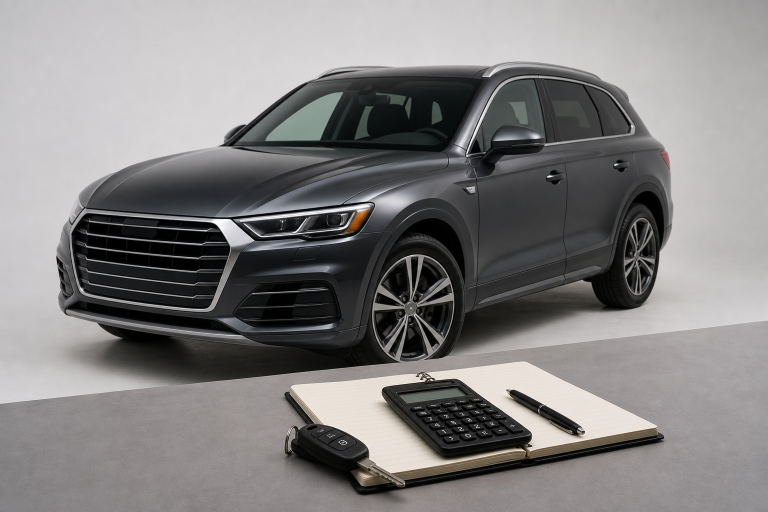
New, used, and certified pre-owned vehicles can each make sense, depending on your needs. A new vehicle generally has the latest technology, full factory warranty coverage, and no prior owner. A used vehicle may provide more choices at lower purchase prices, but it requires closer attention to condition, mileage, history, and expected repairs. Certified pre-owned vehicles can be a middle path. They often meet manufacturer or dealer inspection standards and may include limited added warranty coverage. Compare the actual warranty terms, not just the certified label. A lower upfront price does not always mean a lower long-term cost if the vehicle needs expensive repairs soon after purchase.
Continue in this orbit: What Should You Know Before Choosing Two Wheeler Finance in 2026?
Compare Financing Options
Financing should be evaluated based on the total cost of the loan, not just the payment. A longer loan term can reduce the payment, but it can also increase the total interest paid and keep you in debt longer. Before visiting a dealership, check your credit reports for errors and request quotes from banks, credit unions, or other lenders.
Use a step-by-step car-buying checklist to compare preapproval offers, vehicle prices, and financing terms before making a final decision.
Continue in this orbit: Slow Burn vs. Fast Forward: Why Old School Dating Styles Still Win the Long Game
- Compare annual percentage rates, or APRs, rather than interest rates alone.
- Review the loan length and the total interest paid over the full term.
- Ask how a larger down payment or trade-in changes the offer.
- Keep optional products separate from the price of the vehicle and loan.
- Read every number before agreeing to a payment amount.
Check the Total Price
Ask for the out-the-door price in writing. This figure should include the vehicle price, taxes, title and registration costs, required fees, and any optional products you choose. It is easier to compare offers when all costs are clearly shown. Keep the vehicle price, trade-in value, financing terms, and add-ons separate during the discussion. Confirm that discounts and rebates are included correctly. If a promise about price, repair work, accessories, or coverage is not written in the paperwork, ask for it to be added before signing.
Inspect and Test Drive the Vehicle
Take your time during the inspection, whether the vehicle is new or used. Walk around it in daylight and check the paint, body panels, glass, lights, tires, and wheels. Inside, look for warning lights, unusual odors, damaged controls, excessive wear, and features that do not operate properly. During the test drive, use city streets and faster roads when possible. Test braking, steering, acceleration, climate controls, cameras, infotainment, and visibility. Listen for vibrations or unusual sounds during turns, braking, and acceleration. For a used vehicle, review service records, request a vehicle history report, and consider an independent mechanic inspection. Federal guidance for buying a car also recommends checking recalls before completing a used-vehicle purchase.
Protect the Purchase
Before leaving with the vehicle, understand the documents and coverage included in the transaction. Read the warranty terms, exclusions, maintenance requirements, and roadside assistance details. If you are financing, ask whether gap coverage is necessary based on your down payment, loan balance, and insurance coverage. Optional service contracts and protection products deserve the same careful review as the vehicle itself. Ask what each product covers, what it excludes, how much it costs, whether it is financed, and whether it can be canceled later. Do not feel pressured to decide immediately.
Continue in this orbit: Planning Exterior Business Signage in Vancouver, Washington
Build a Maintenance Plan
Regular maintenance can support safety, reliability, and resale value. Follow the schedule in the owner’s manual because service needs vary by engine, mileage, climate, driving habits, and workload. Keep records of oil changes, tire rotations, inspections, repairs, and warranty work.
- Check tire pressure and tread regularly.
- Replace worn wiper blades, filters, and fluids on schedule.
- Pay attention to warning lights, leaks, vibrations, and changes in handling.
- Address small concerns early before they become more expensive problems.
Common Questions
How Much Should a Buyer Spend on a Vehicle?
The right amount depends on income, debt, savings, insurance costs, fuel use, and repair risk. Build a total transportation budget first, then choose a vehicle and payment that fit inside it.
Continue in this orbit: How Can Families Request a Support Coordinator in New Jersey? Disability Services & Advocacy Guide to DDD Support
Is Buying New Better Than Buying Used?
Neither option is automatically better. New vehicles may provide current features and full warranty coverage, while used vehicles may offer a lower purchase price. Condition, history, financing, and long-term ownership costs matter most.
Should Every Used Vehicle Receive an Independent Inspection?
An independent inspection is especially helpful for older, high-mileage, or limited-history vehicles. It can identify issues that are not obvious during a short test drive.
How Often Should a Vehicle Receive Maintenance?
Service intervals depend on the specific vehicle and how it is used. The owner’s manual should be the main reference for maintenance timing and recommended fluids, parts, and inspections.
Final Thoughts
A confident vehicle purchase begins well before the test drive. Start by setting a full ownership budget that includes the purchase price, financing, insurance, fuel or charging, maintenance, repairs, registration, and other recurring expenses. Choose a vehicle that matches your actual needs for commuting, passengers, cargo, parking, and travel rather than paying for features or size you may rarely use. Compare financing offers carefully, review the full out-the-door price, check warranty coverage, and inspect the vehicle closely before signing. For a used vehicle, review its history and service records and consider an independent inspection. After purchase, following the recommended maintenance schedule can help preserve reliability and value. The best vehicle is one that serves your life today while remaining practical, comfortable, and financially manageable to own over time.