Key Takeaways
- Plan the sign around where people first see it, not only where it will be mounted.
- Keep the primary message short, high-contrast, and easy to understand at a glance.
- Choose materials that suit the site’s moisture levels, sun exposure, wind, and maintenance needs.
- Use illumination and digital displays to improve communication, not add clutter.
- Confirm property approvals, permitting needs, and installation constraints before fabrication.
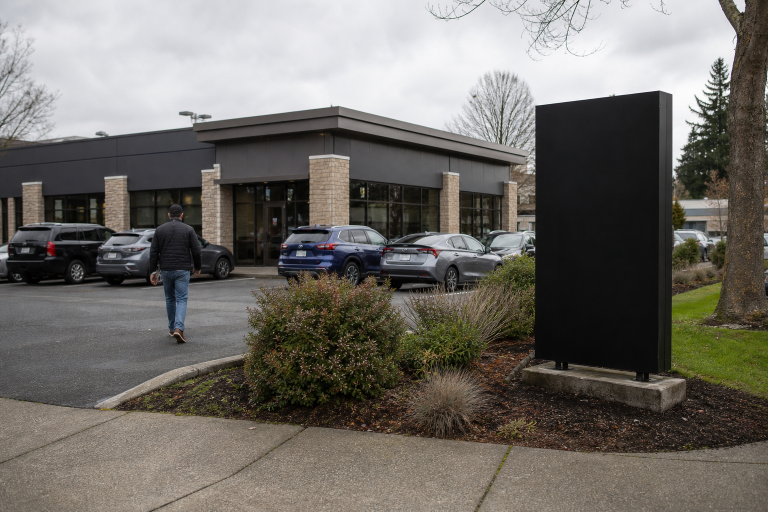
Exterior signage in Vancouver, Washington, has to do more than look polished up close. It needs to stay clear for people arriving by car, walking through a business district, or navigating a busy parking area in changing Pacific Northwest conditions. Working with a Vancouver sign company can help translate a business goal into a sign plan that considers visibility, placement, materials, lighting, and installation from the beginning.
Whether a property is near downtown, along a commercial corridor, or set back behind landscaping and parking, the strongest signs are planned around the viewer’s experience. Clear information, durable construction, and early code review can help a sign remain useful long after installation.
Start With the Viewer
A sign should be designed for the approach path of the people who need it. Drivers may have only a brief view while managing traffic, pedestrians can read more detail, and visitors entering a shared property may need directional information before they reach the building. Measure likely viewing distance, approach angle, street width, setbacks, and the speed at which people travel past the site.
Continue in this orbit: When Cities Start Thinking Ahead: What That Means for Property Investors in India
Walk the property during the day and after dark. Trees, parked vehicles, utility poles, awnings, neighboring signs, and reflections can all affect visibility. For example, a medical office behind a parking lot may need a monument or directional sign near the entrance, even when a wall sign looks excellent from the sidewalk.
Choose the Right Sign Type
The format should support the job the sign needs to perform. Wall signs work well on visible street-facing facades. Dimensional letters can create a clean, architectural appearance. Monument signs are useful for businesses set back from the road, multi-tenant properties, and campuses. Projecting signs can help pedestrians locate a storefront from either direction along a sidewalk.
Continue in this orbit: When Owning Property Starts Looking Like Buying Shares
Cabinet signs can accommodate a name, a logo, and illumination in a single structure. Directional signs help move guests through driveways, parking lots, and building entrances. Electronic message centers are most useful when the information changes regularly, such as event details, hours, notices, or timely announcements. Selecting a format before developing artwork helps keep the design realistic for the site.
Build for Quick Readability
The first responsibility of exterior signage is communication. Use the business name, a concise identifier, or one clear callout rather than a long list of services. Heavy, simple letterforms generally remain easier to recognize at a distance than thin or highly decorative typefaces. Adequate spacing between letters and lines also gives the message room to be understood quickly.
Continue in this orbit: Sharing Space, Sharing Life: Why Co-Living Is Quietly Reshaping City Living
Contrast matters as much as letter size. Light lettering on a light background, or dark lettering on a dark background, can disappear under cloudy skies, direct sun, or evening shadows. Before finalizing artwork, test a scaled design at the farthest practical viewing point and ask someone unfamiliar with the property what they notice first. Remove graphics or wording that compete with the main message.
Match Materials to the Setting
Material selection should balance appearance with exposure and service needs. Aluminum, acrylic, PVC, vinyl, wood, steel, and composite panels can all serve useful roles, but they do not weather in the same way. Moisture, ultraviolet exposure, temperature fluctuations, wind, and repeated cleaning can, over time, affect finishes, graphics, edges, and fasteners.
Continue in this orbit: How Hightech Signs Solves Austin Businesses’ Visibility Problems With Custom Signs in 2026
Questions to Ask Before Selecting Materials
- Will the sign receive direct afternoon sun or remain exposed to rain and wind?
- Does it need to match brick, masonry, metal panels, or another building finish?
- Will staff or visitors regularly touch the sign or pass close enough to damage it?
- Can lighting components, faces, graphics, or individual letters be serviced easily?
- Does the mounting surface require a lightweight sign or additional structural support?
Plan Lighting for Day and Night
Illumination can extend a sign’s usefulness after sunset, but more brightness does not automatically mean better visibility. Front-lit letters, halo-lit letters, external fixtures, reflective surfaces, and non-illuminated signs each create a different effect. Consider nearby streetlights, headlights, windows, and neighboring businesses to ensure the sign remains legible without causing distracting glare.
Timers, photocells, dimming controls, and accessible service points can make operation easier. For illuminated signs, Washington rules address electrical sign and outline-lighting work, including requirements relevant to listed equipment and certain LED retrofits under state electrical regulations for signs. Plan access for maintenance before the sign is installed, especially when components are high above grade.
Use Digital Displays With Purpose
A digital display is a communication tool, not simply a larger sign. It can be valuable for changing schedules, sending event notices, updating availability, and sharing public information. A static sign is often the better choice when the message rarely changes or when the site needs a quieter visual presence.
Continue in this orbit: Understanding the Hidden Utility Work That Keeps Modern Properties Running
Keep digital content simple. Use one main idea per screen, large text, strong contrast, and enough display time for a person to read the message. Establish who will update content, how often it will be reviewed, and what happens if connectivity or equipment needs attention. Brightness and motion should be adjusted for real viewing conditions rather than used solely to attract attention.
Check Codes, Permits, and Site Limits
Sign requirements can vary by property, zoning designation, location, dimensions, lighting, and construction method. In Vancouver, proposed projects may involve planning, zoning, structural, fire, or other reviews, so it is wise to review the City’s permit and inspection information before final artwork, fabrication, or scheduling.
Also, confirm landlord standards for leased storefronts and shopping centers. A property owner may regulate sign location, colors, mounting methods, or tenant panel layouts beyond public requirements. Early review can prevent a costly redesign after a sign has already been engineered or produced.
Follow a Clear Planning Process
- Set the goal: Identify whether the sign should attract attention, identify the business, guide visitors, or share changing information.
- Review the site: Document measurements, sightlines, obstacles, surfaces, traffic flow, and day-to-night lighting conditions.
- Develop the message: Prioritize the few words and visual elements people need most.
- Select the format: Match the sign type, materials, mounting, and illumination to the audience and property.
- Confirm approvals: Address permits, landlord criteria, electrical needs, access, and installation logistics.
- Review before fabrication: Use a scaled proof, elevation, or site rendering to check proportions and visibility.
Avoid Mistakes and Plan Maintenance
Common problems include crowded copy, low contrast, blocked sightlines, poorly placed lighting, and material choices based only on initial cost. A sign can also lose its impact when dirt, faded graphics, loose hardware, dim lighting, or outdated digital messages go unaddressed.
Build maintenance into the plan. Inspect signs visually throughout the year and after severe weather or accidental impact. Use cleaning methods appropriate for painted surfaces, vinyl, acrylic, and lighting components. Keep records of colors, finishes, wiring details, mounting methods, and replacement parts so future repairs can be handled more efficiently.
Conclusion
Effective exterior signage in Vancouver, Washington, begins with careful planning rather than decoration alone. When a sign is easy to find, easy to read, suited to its setting, and prepared for local approval and maintenance needs, it can support customers, tenants, visitors, and staff in every season.