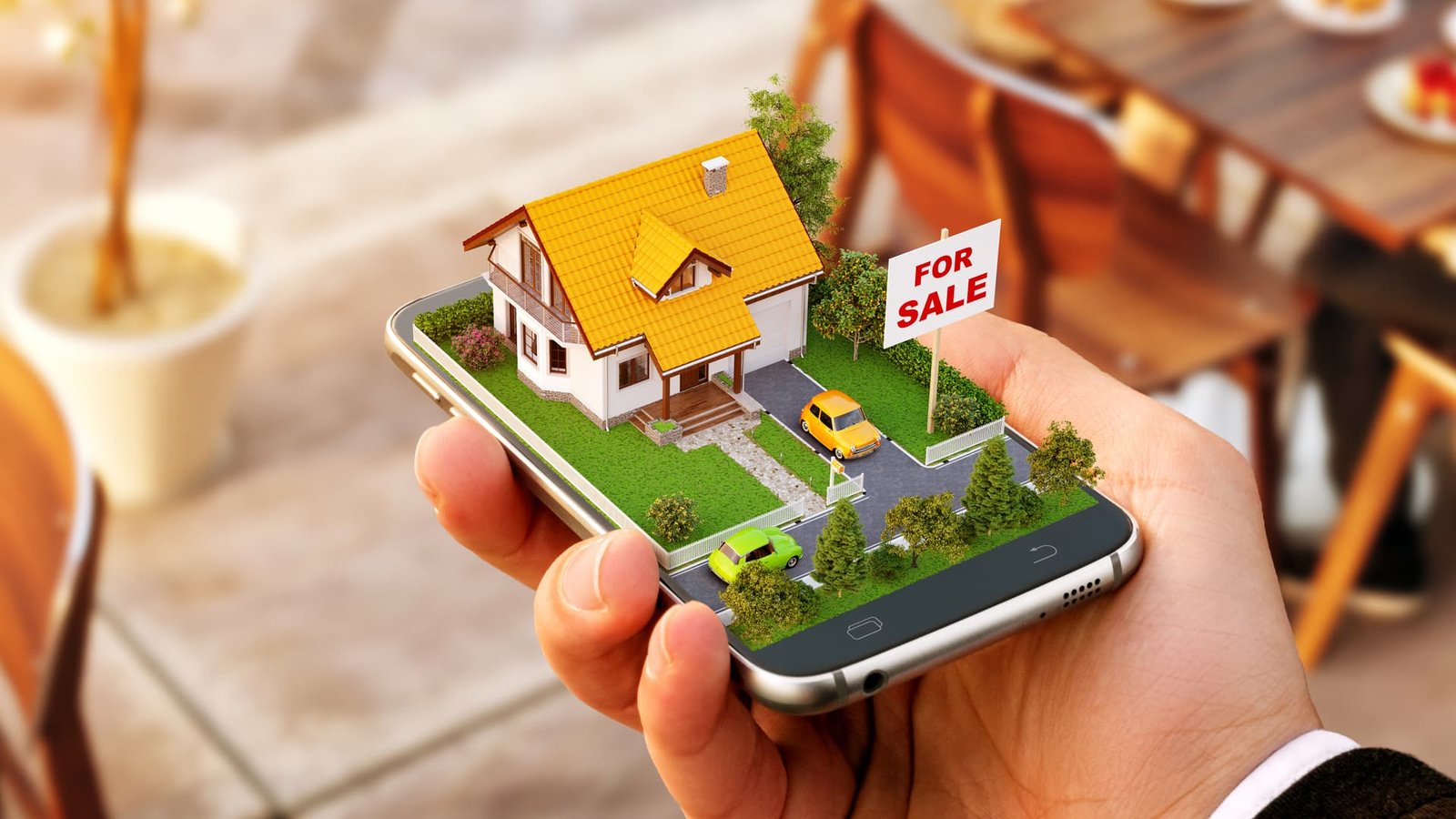
For a long time, real estate felt like one of those “someday” goals. You know the kind—owning a house, maybe an investment property if things go really well. But the barriers have always been there: high capital, paperwork that never seems to end, and a process that feels… heavy.
Then something unexpected started creeping into the conversation. Not loudly, not all at once—but gradually.
Continue in this orbit: When Cities Start Thinking Ahead: What That Means for Property Investors in India
What if you didn’t need to buy an entire property to own a piece of it?
It sounds almost too simple. But that’s exactly where things are heading.
Continue in this orbit: Sharing Space, Sharing Life: Why Co-Living Is Quietly Reshaping City Living
Breaking Down the Idea of Ownership
Traditionally, owning property meant one thing—you either buy it fully (or with a loan), or you don’t own it at all. There wasn’t much middle ground.
But modern investors don’t always think in absolutes anymore. Stocks, mutual funds, even fractional investing have already changed how people approach ownership in other markets.
Continue in this orbit: Keeping Every Building Warm: What Reliable Heating Really Looks Like
Real estate, though, has been slower to adapt.
That’s starting to change.
Tokenization of Real Estate: Buying Property via Blockchain
At its core, tokenization is about dividing a property into smaller digital units—tokens—that represent ownership. These tokens are stored and traded on a blockchain, making transactions more transparent and, in many cases, faster.
So instead of buying an entire apartment, you could own a fraction of it. Maybe 1%, maybe less. And that fraction could still generate returns—through rent or appreciation.
Continue in this orbit: Finding the Right Water System for a More Comfortable Home
It’s a bit like owning shares in a company, but the underlying asset is physical real estate.
And suddenly, the entry barrier doesn’t feel quite as intimidating.
Why This Idea Is Gaining Attention
Let’s be honest—real estate has always been seen as a solid investment. Stable, tangible, reliable over time. But it’s also been inaccessible for many people.
Continue in this orbit: Better Water Begins With Knowing What Your Home Actually Needs
Tokenization opens the door, at least partially.
You don’t need massive capital to get started. You don’t need to manage tenants or deal with maintenance issues directly. And transactions, in theory, become smoother because blockchain removes some of the traditional friction.
For younger investors especially, this feels more aligned with how they already interact with money—digitally, flexibly, and with smaller increments.
Liquidity: The Game-Changer
One of the biggest limitations of real estate has always been liquidity.
Selling property takes time. Sometimes months. Sometimes longer. It’s not like selling stocks with a few clicks.
But with tokenized assets, there’s potential for more fluid trading. If a platform supports it, you could sell your share of a property much faster than selling the entire asset.
That doesn’t mean it’s instant or risk-free—but it does introduce a level of flexibility that traditional real estate simply doesn’t offer.
Not Everything Is as Simple as It Sounds
Of course, there’s a flip side.
Regulation is still catching up. Different countries have different rules around digital assets and property ownership, and that creates uncertainty. What’s allowed in one region might not be in another.
There’s also the question of trust. Not everyone is comfortable with blockchain-based systems, especially when it involves something as significant as property.
And then there’s the platform risk—what happens if the platform managing those tokens shuts down or runs into issues?
These aren’t small concerns. They matter.
The Human Element of Real Estate
Here’s something that often gets overlooked in these discussions: real estate isn’t just about investment.
It’s about homes. Communities. Places where people live, grow, and build their lives.
Tokenization, while efficient, can feel a bit detached from that reality. Owning a fraction of a building doesn’t carry the same emotional weight as owning a home.
And maybe it shouldn’t.
This model seems more suited for investment purposes rather than personal ownership. And that distinction is important.
A Shift in How We Think About Property
What’s really changing here isn’t just the method—it’s the mindset.
Ownership is becoming more flexible, more modular. You don’t have to commit to an entire asset to benefit from it. You can participate in smaller ways, diversify across multiple properties, and adjust your investments more easily.
That kind of flexibility was hard to imagine in real estate a decade ago.
Now, it’s part of the conversation.
Where This Might Lead
It’s still early days. Tokenized real estate isn’t mainstream yet, and it may take time before it reaches that point—if it does at all.
But the direction is interesting.
We could see hybrid models emerge—traditional property ownership alongside tokenized investment opportunities. Developers might use tokenization to fund projects. Investors might use it to diversify portfolios.
Or maybe it evolves into something slightly different altogether. Technology has a way of reshaping ideas as it matures.
Final Thoughts
There’s something quietly revolutionary about the idea of owning property in pieces.
Not in a dramatic, world-changing way—but in a subtle shift that makes something once exclusive a little more accessible.
Tokenization of Real Estate: Buying Property via Blockchain isn’t just a trend—it’s a reflection of how investment itself is evolving. More flexible, more digital, and, in some ways, more inclusive.
Whether it becomes the norm or remains a niche option, one thing feels certain: the way we think about ownership is changing.
And real estate, slowly but surely, is starting to catch up.