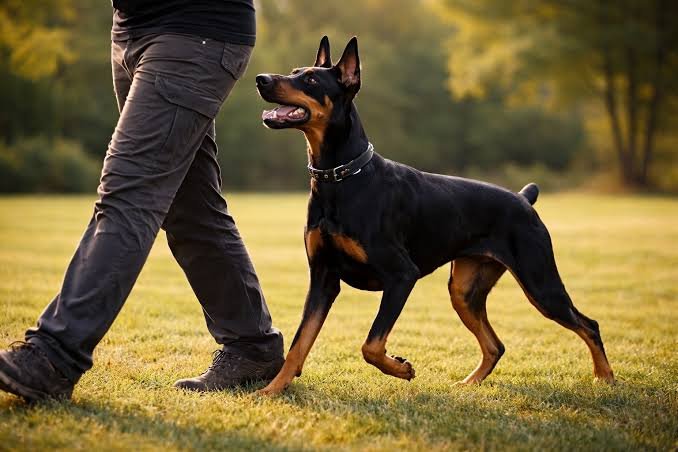
Every dog can learn, regardless of breed, age, or background. At Rob’s Dog Training, all-breed dog training focuses on understanding each dog’s individual temperament, motivation, and learning style rather than relying on assumptions based on breed alone. When training is consistent, structured, and adapted to the individual dog, owners build stronger communication while helping their dogs become reliable companions in everyday situations.
From energetic working breeds to small companion dogs, effective training creates practical skills that improve life at home, on walks, and in public settings. The goal is not simply to teach commands but to develop behaviors that remain dependable in real-world environments.
Why Every Breed Benefits From Structured Training
Some people believe certain breeds naturally behave well while others are difficult to train. Although genetics can influence instincts and energy levels, every dog learns through experience, repetition, and reinforcement.
Continue in this orbit: 5 Relationship Habits that can bring couples closer
A structured training program helps dogs understand expectations regardless of their breed. Instead of reacting to unwanted behavior after it develops, owners can proactively teach desirable habits that become part of the dog’s daily routine.
Well-designed training also provides mental stimulation, which is just as important as physical exercise. Dogs that regularly engage their minds are often better able to focus, settle, and make appropriate decisions during everyday activities.
Individual Dogs Learn Differently
Breed characteristics may provide general information, but they never tell the complete story. Two dogs of the same breed can display very different personalities, confidence levels, and motivations.
Continue in this orbit: How to Choose the Right Vehicle for Your Budget and Daily Life
Successful trainers evaluate factors such as:
- Age and developmental stage
- Previous training experience
- Confidence around people and animals
- Food or toy motivation
- Energy level
- Home environment
- Family goals
This individualized approach creates a training plan that supports the specific dog instead of relying on generalized expectations.
Building Communication Instead of Control
Many people think dog training is about making dogs obey commands. Effective training is actually about creating clear communication between the owner and the dog.
Continue in this orbit: Understanding the Hidden Utility Work That Keeps Modern Properties Running
Dogs learn patterns through consistency. When owners communicate expectations clearly and reward correct choices, dogs begin offering desirable behaviors more frequently.
Strong communication helps dogs understand:
- What behaviors earn rewards
- When to remain calm
- How to respond to cues
- How to make appropriate decisions around distractions
These skills become useful throughout every stage of a dog’s life.
Continue in this orbit: Best Movers in Ampang and Movers in Beranang: A Complete Guide to a Smooth Relocation
Essential Skills Every Dog Should Learn
While every household has unique goals, several foundational behaviors benefit nearly every dog.
Reliable Recall
Coming when called can improve safety during outdoor activities and emergencies. Reliable recall requires gradual progression through increasingly distracting environments instead of expecting immediate perfection.
Continue in this orbit: How Can Families Request a Support Coordinator in New Jersey? Disability Services & Advocacy Guide to DDD Support
Loose-Leash Walking
Walking calmly without pulling makes daily exercise more enjoyable for both dogs and owners. Rather than relying on physical strength, loose-leash walking teaches dogs that staying close creates opportunities to continue moving forward.
Sit, Down, and Stay
Basic positions teach impulse control while giving owners practical ways to manage everyday situations, including greeting visitors, waiting at doors, or relaxing in public.
Place Training
Teaching a dog to remain on a designated bed or mat can reduce household chaos during meals, deliveries, or family gatherings.
Calm Greetings
Many dogs become overly excited when meeting people. Teaching calm greeting behaviors helps dogs interact politely without jumping or excessive excitement.
Socialization Goes Beyond Meeting Other Dogs
Socialization is often misunderstood. It does not simply mean allowing dogs to play with every dog they encounter.
True socialization teaches dogs to remain calm and confident around:
- New people
- Different environments
- Sounds
- Moving objects
- Other animals
- Children
- Busy public places
The objective is emotional stability rather than constant interaction.
Dogs that learn to observe new experiences calmly often become more adaptable throughout life.
Addressing Common Behavioral Challenges
Many unwanted behaviors develop gradually through repetition. Fortunately, many can improve with consistent training and appropriate management.
Common training goals include:
- Excessive barking
- Jumping on visitors
- Pulling during walks
- Poor recall
- Counter surfing
- Door rushing
- Difficulty settling indoors
- Reactivity toward distractions
Rather than focusing only on stopping unwanted behavior, effective training teaches alternative behaviors that owners actually want to see.
For example, instead of simply preventing jumping, a dog learns to sit politely when greeting guests.
Why Consistency Matters More Than Length
Many owners believe long training sessions produce faster results. In reality, shorter sessions repeated consistently often produce better learning.
Several five-minute sessions throughout the day can be more productive than one lengthy session.
Consistency allows dogs to:
- Build predictable routines.
- Practice successful repetitions.
- Develop stronger habits.
- Retain learned behaviors longer.
Training becomes part of everyday life rather than a separate activity.
Positive Reinforcement Encourages Better Learning
Dogs repeat behaviors that produce rewarding outcomes.
Positive reinforcement focuses on rewarding desired behaviors instead of relying primarily on corrections. Rewards may include:
- Food treats
- Praise
- Toys
- Play
- Access to enjoyable activities
This approach creates enthusiastic learners while strengthening the relationship between dog and owner.
Rewards can gradually become less frequent as behaviors become reliable, allowing dogs to continue responding consistently.
Training Throughout Every Life Stage
Training should not stop after puppyhood.
Puppies
Young puppies learn foundational skills, confidence, household manners, and early socialization experiences.
Adolescent Dogs
Adolescence often introduces increased independence and distractions. Continued practice helps maintain reliability while strengthening impulse control.
Adult Dogs
Adult dogs continue learning new behaviors regardless of previous experience. Many owners are surprised by how quickly mature dogs adapt to consistent training.
Senior Dogs
Older dogs benefit from ongoing mental stimulation, confidence-building exercises, and modified activities appropriate for their physical abilities.
Learning remains valuable throughout every stage of life.
The Owner Plays the Biggest Role
Professional instruction provides valuable guidance, but long-term success depends on owner consistency.
Dogs spend most of their time with their families rather than professional trainers. Owners who practice daily help reinforce learned behaviors in a variety of real-life situations.
Successful owners typically:
- Practice regularly
- Maintain consistent expectations
- Reward desired behaviors
- Stay patient during setbacks
- Continue reinforcing skills after formal training ends
The partnership between trainer and owner creates lasting results.
Real-Life Practice Creates Reliable Dogs
Dogs often perform well inside familiar environments before struggling elsewhere.
Reliable behavior develops by gradually introducing distractions while maintaining clear expectations.
Training should eventually include situations such as:
- Neighborhood walks
- Parks
- Outdoor cafés
- Pet-friendly stores
- Family gatherings
- Different weather conditions
- New environments
Practicing in realistic settings helps dogs generalize learned behaviors instead of responding only in one location.
Choosing an All Breed Dog Training Program
Not every training program uses the same approach. Before selecting a trainer, owners should understand how training methods align with their goals and their dog’s needs.
Look for programs that:
- Evaluate each dog’s individual temperament
- Explain training methods clearly
- Focus on practical everyday behaviors
- Include owner education
- Progress at the dog’s learning pace
- Build confidence alongside obedience
- Encourage ongoing practice after formal sessions
Training should produce skills that remain useful long after the program ends.
Long-Term Success Comes From Daily Habits
Reliable behavior is built through thousands of small interactions rather than one breakthrough moment.
Every walk, meal, greeting, and training session provides another opportunity to reinforce good decisions. Dogs that consistently practice appropriate behaviors gradually develop habits that become second nature.
The most successful owners view training as an ongoing part of everyday life rather than a short-term project. This mindset helps maintain reliable behaviors while continuing to strengthen communication over time.
Final Thoughts
All breed dog training recognizes that every dog deserves an individualized approach based on personality, experience, and learning style rather than stereotypes about breed. With clear communication, consistent practice, and structured guidance, dogs of every size and background can develop reliable behaviors that improve everyday life.
Whether teaching foundational obedience, improving manners, or addressing challenging behaviors, a thoughtful training approach creates lasting skills that benefit both dogs and their owners. For those seeking experienced guidance tailored to each dog’s unique needs, Rob’s Dog Training provides professional programs designed to build confidence, strengthen communication, and support long-term success.