The Infrastructure Beneath Everyday Life
When people walk into a finished home, office, shopping center, or commercial development, they usually notice the visible details first. The building looks complete, the parking area is paved, lights are working, and everything appears ready for business or everyday life.
What most people don’t see is what’s underneath.
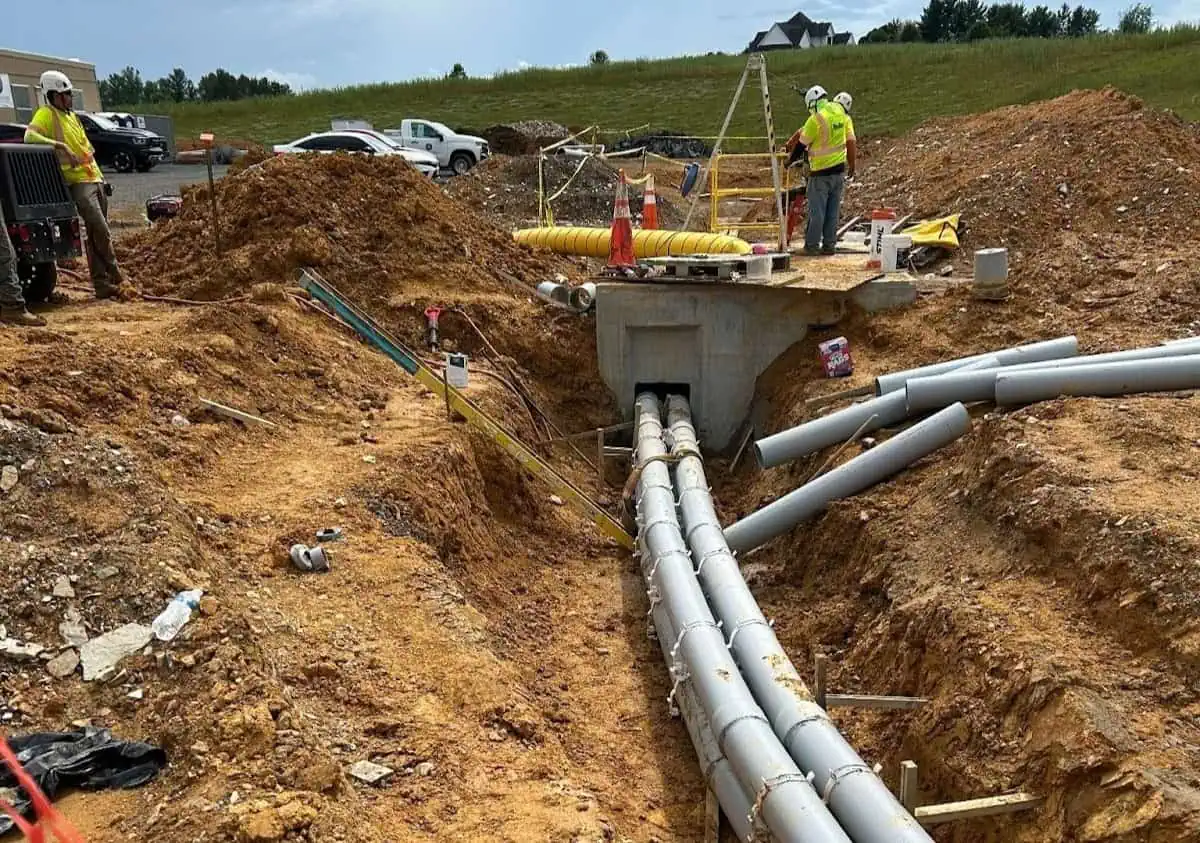
A complicated network of pipes, conduits, cables, drains, and service connections may be buried below the surface. These systems provide water, carry wastewater away, deliver power and communications, and help manage rainwater around the property.
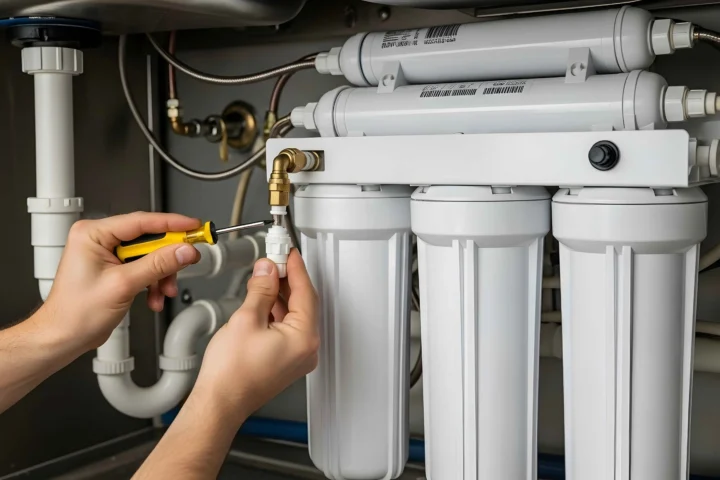
Continue in this orbit: How Modern Water Filtration Systems Work Smarter for Everyday Homes
This hidden infrastructure has to be planned carefully because mistakes underground can become surprisingly expensive to fix. Once concrete, asphalt, landscaping, and buildings are in place, reaching a buried utility isn’t exactly a five-minute job.
What Are Wet Utilities?
Wet utilities generally refer to underground systems that transport or manage water. This can include potable water lines, sewer pipes, storm drainage, fire protection systems, and related infrastructure.
Continue in this orbit: Better Water at Home Starts with Understanding What’s Really in It
They’re essential to practically every modern development.
Water needs to reach buildings safely and reliably, while wastewater needs a dependable route away from them. Stormwater also needs somewhere to go when heavy rain arrives.
Properly designed wet utilities help all of these systems work together without interfering with one another.
Site conditions matter here. Soil type, elevation, groundwater, existing infrastructure, and expected water demand can all influence how utility lines are designed and installed.
Continue in this orbit: The Subtle Truth About Clean Water: What Most People Don’t Notice Until It’s Too Late
It may sound technical, but the basic idea is simple: water needs a safe path in, and unwanted water needs a safe path out.
Understanding Dry Utilities
Then there are the systems that don’t transport water.
Dry utilities generally include electrical power, telecommunications, fiber-optic networks, natural gas, and similar services. These utilities are just as important to a modern property, even though they operate very differently from water and sewer systems.
Think about how dependent a business is on electricity and internet connectivity. If either disappears, operations can come to a standstill pretty quickly.
Continue in this orbit: Granny Flat Builders in Adelaide: Create Modern Living Spaces With Expert Renovation Solutions
Residential developments face similar expectations. People want reliable power, phone service, internet access, and other utilities ready when they move into a property.
Coordinating dry utilities with water and sewer infrastructure requires careful planning. Underground space is limited, and every utility needs to be placed with future access and safety in mind.
Continue in this orbit: Why Hard Water Can Slowly Affect Your Home and Appliances
Why Utility Coordination Matters
One of the biggest challenges during development is making sure different utility systems don’t interfere with each other.
A water line may need to cross near an electrical conduit. A sewer pipe may have to pass beneath a roadway. Communication cables could occupy the same general corridor.
Without proper coordination, crews may discover conflicts after construction has already begun.
That’s why utility plans should be reviewed carefully before excavation. Accurate drawings, site surveys, utility locating, and communication between contractors can prevent many headaches.
It’s one of those situations where a little extra time with the plans can save a lot of time — and money — in the field.
Safety Should Never Be an Afterthought
Underground utility work involves excavation, heavy equipment, pressurized systems, electrical infrastructure, and potentially hazardous conditions.
Following established safety standards is essential throughout the project.
Workers need to understand where existing utilities are located, how excavation areas will be protected, and what procedures are required when working around energized or pressurized infrastructure.
Proper training and protective equipment matter, but so does planning. A safe project begins before the first shovel enters the ground.
Utility locating is particularly important. Accidentally striking an underground gas line, electrical cable, or water main can create serious consequences for workers, property owners, and surrounding communities.
The Importance of Accurate Utility Locating
Older properties can make underground utility work especially challenging.
Records may be incomplete. Previous construction may have changed utility routes. A line may be deeper or closer to another service than expected.
Professional locating methods can help crews identify existing infrastructure before excavation begins.
Even then, workers should approach excavation carefully. Underground conditions aren’t always exactly what the drawings suggest.
Good field communication is essential. If something unexpected appears, stopping to reassess is usually much better than pushing forward and hoping for the best.
Planning for Future Maintenance
A utility system shouldn’t be designed only for the day construction ends.
Future maintenance needs to be considered too.
Valves, cleanouts, access points, junctions, and other service components should be positioned so technicians can reach them when necessary. Utility corridors should also allow reasonable access for repairs and upgrades.
This is especially important for commercial properties and large developments. A system that is difficult to access may make future maintenance more expensive and disruptive than it needs to be.
Nobody wants to dig through a finished parking lot because an important valve was installed somewhere impossible to reach.
Choosing the Right Utility Contractor
Utility construction requires specialized knowledge, equipment, and coordination.
When selecting a contractor, look for experience with projects similar to yours. Ask about licensing, insurance, utility locating procedures, excavation practices, project management, and previous work.
Communication is another major factor.
A good contractor should be able to explain the installation sequence, identify potential conflicts, and discuss how the project will affect surrounding areas.
You don’t need to understand every engineering detail. But you should understand what’s being installed, why it’s being installed that way, and what the expected timeline looks like.
Why Quality Work Pays Off
Utility infrastructure is often expected to last for decades. Cutting corners during installation can create problems long after the original construction crew has left.
Poorly installed pipes may leak. Incorrect utility placement can make future repairs difficult. Inadequate drainage can contribute to erosion or standing water.
Quality workmanship, proper materials, accurate planning, and regular inspections all contribute to a more dependable system.
The upfront investment may sometimes be higher, but good infrastructure tends to pay for itself through fewer disruptions and lower long-term maintenance costs.
Building What People Don’t See
The best utility systems are almost invisible.
People turn on a faucet without thinking about the water line beneath the street. They connect to the internet without wondering where the cable runs. They flip a light switch without considering the underground electrical network that makes it possible.
That quiet reliability doesn’t happen by accident.
It comes from careful planning, experienced crews, proper coordination, and a commitment to doing underground work correctly.
Whether a project involves water and sewer infrastructure, electrical and communication services, or a combination of both, the groundwork matters. Build it carefully, respect the safety requirements, plan for future access, and the finished property will have something valuable beneath the surface: infrastructure people can depend on.