


Water is easy to ignore when it behaves. It fills the kettle, runs through the shower, washes the dishes, softens the laundry, and keeps the house moving in the background. Nobody really stands at the sink admiring tap water. Well, not usually.
But when water quality is poor, it starts interrupting normal life in small, stubborn ways. The coffee tastes a bit off. The shower glass gets cloudy too fast. Skin feels dry after bathing. Towels come out stiff. The ice cubes carry that faint taste you can’t quite describe. It’s not a disaster, but it’s annoying enough to notice.
And often, those little signs are your home’s way of saying the water needs attention.
Water Quality Is a Whole-House Issue
Many people think of water quality only in terms of drinking water, but water touches almost every part of a home. It moves through pipes, appliances, fixtures, bathrooms, kitchens, laundry rooms, and outdoor taps. So if there are minerals, sediment, chlorine, odors, or other unwanted elements in the supply, they don’t stay in one place.
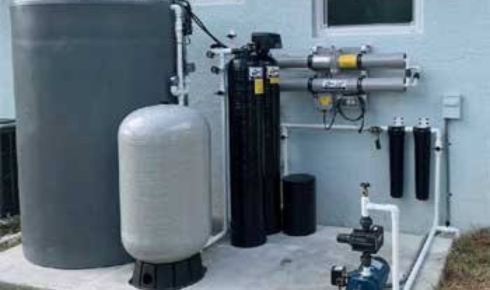
That’s where whole home filtration can make a meaningful difference. Instead of treating only one glass or one sink, it helps improve water as it enters the house. This can support better water for showers, washing, cleaning, cooking, and appliance use.
The benefit is consistency. Every tap feels like part of the same improved system, rather than having one “good” faucet and everything else left untreated.
The Drinking Water Question
Even when homeowners accept small water annoyances elsewhere, drinking water is where they usually draw the line. Nobody wants to fill a glass and wonder why it tastes like chlorine, metal, soil, or old plumbing. And nobody wants to keep buying bottled water forever just because the kitchen tap feels unreliable.
For many families, reverse osmosis is a practical option for improving drinking water quality. It is commonly used at the kitchen sink to reduce many dissolved impurities that can affect taste and confidence. The result is cleaner, fresher water for drinking, cooking, coffee, tea, soups, and ice.
It’s a small daily luxury, really. Not fancy. Just nice. You fill a glass and don’t think twice.
Why Hard Water Creates So Many Little Problems
Hard water is another common issue, and it tends to be sneaky. It may look perfectly clear, but it contains minerals like calcium and magnesium. Once the water dries, those minerals can leave spots, film, and chalky buildup behind.
You may see it on shower doors, faucets, sinks, dishes, or inside the kettle. You may feel it when soap doesn’t lather well or shampoo seems hard to rinse out. Laundry may feel rough, and appliances may slowly collect scale inside.
This is where water softening can help. By reducing hardness minerals, a softener can make water easier on plumbing, fixtures, appliances, and daily cleaning routines. Showers often feel smoother. Laundry may come out softer. And yes, bathroom cleaning usually becomes less of a battle.
Testing Before Choosing a System
Water treatment should never be based on guesswork. A pitcher filter may help taste but won’t solve hardness. A softener may reduce scale but may not remove certain odors. A drinking water system may improve the kitchen tap but leave the rest of the home unchanged.
Testing gives you a clearer picture of what is actually in your water. It can identify hardness, sediment, chlorine, iron, sulfur odors, or other concerns depending on your local supply. Once you know the problem, choosing the right solution becomes much easier.
A good water specialist should explain the results in plain language. No scare tactics, no confusing jargon, just a practical plan for what your home needs.
The Appliance Side of Better Water
Water quality also affects equipment. Dishwashers, washing machines, coffee makers, ice machines, and water heaters all depend on water flowing through them again and again. If that water carries minerals or sediment, buildup can develop over time.
Scale inside a water heater can make it work harder. Sediment can clog filters or fixtures. Poor-quality water can shorten the useful life of appliances or make them perform below their best.
Better water treatment helps reduce that stress. It may not make appliances last forever, of course, but it can give them a cleaner, easier supply to work with.
Maintenance Should Be Simple
A good system should improve life, not complicate it. Filters may need replacing. A softener may need salt. A reverse osmosis unit may require periodic cartridge changes. That’s normal.
The key is choosing equipment that fits your household and comes with clear maintenance guidance. When homeowners understand what needs doing and when, the system becomes easy to live with.
A Quiet Upgrade That Pays Off Daily
Better water doesn’t shout for attention. It quietly improves the things you already do. Showers feel better. Coffee tastes cleaner. Glassware looks clearer. Towels feel softer. Fixtures stay cleaner longer. Bottled water becomes less necessary.
That’s what makes water treatment such a smart home upgrade. It doesn’t just solve one problem; it improves a whole collection of small daily moments.
In the end, water should make home life easier, not more frustrating. When the right system is in place, you stop fighting stains, taste, odor, and buildup — and simply enjoy water that works the way it should.