There are some home upgrades people love to talk about. New countertops. Fresh paint. A fancy coffee machine that makes the kitchen feel slightly more grown-up. But water? Water usually gets ignored. It sits behind everything we do, quietly involved in cooking, drinking, bathing, washing fruit, filling the kettle, making soup, and rinsing a glass before bed.
Then one day, you notice something. The tap water tastes a bit flat. The ice smells odd. The coffee doesn’t seem as fresh as it used to. Maybe you start buying bottled water “just for now,” and somehow it becomes a permanent line on the grocery list. That’s often when people begin thinking more seriously about what’s actually coming out of the tap.
Continue in this orbit: Better Water Begins With Knowing What Your Home Actually Needs
Why Drinking Water Deserves More Attention
Most households use water without questioning it, which is understandable. If it looks clear, we assume it’s fine. And in many cases, water supplied to homes is treated to meet basic safety standards. Still, that doesn’t mean it always tastes good, smells clean, or feels like something you want your family drinking every day.
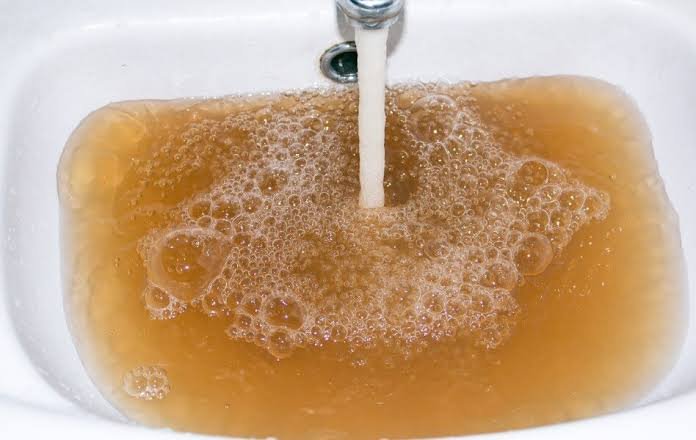
Water can pick up minerals, sediment, chlorine taste, or trace impurities depending on the source, local treatment process, plumbing, and storage conditions. A home connected to a municipal supply may have different concerns than one using well water. Even two houses on the same street can sometimes experience small differences in taste or clarity.
Continue in this orbit: Finding the Right Water System for a More Comfortable Home
That’s why having healthy drinking water at home is not just about avoiding obvious problems. It’s about confidence. It means you can fill a glass, cook dinner, make tea, or pack a child’s school bottle without second-guessing it.
Taste Is Usually the First Clue
People often notice water quality through taste before anything else. Chlorine can give water a sharp swimming-pool edge. Minerals can make it taste heavy. Sediment may not always be visible, but it can leave water feeling less fresh. And sometimes the issue is subtle — not bad enough to complain about, but not good enough to enjoy either.
This is where many families start leaning on bottled water. It feels convenient at first, but over time it becomes expensive, wasteful, and a little annoying. Cases take up space. Bottles pile up. Someone always forgets to buy more. Plus, bottled water doesn’t help with the water used for cooking, coffee, ice, or rinsing produce.
Continue in this orbit: Why the Water in Your Home Deserves More Attention Than You Think
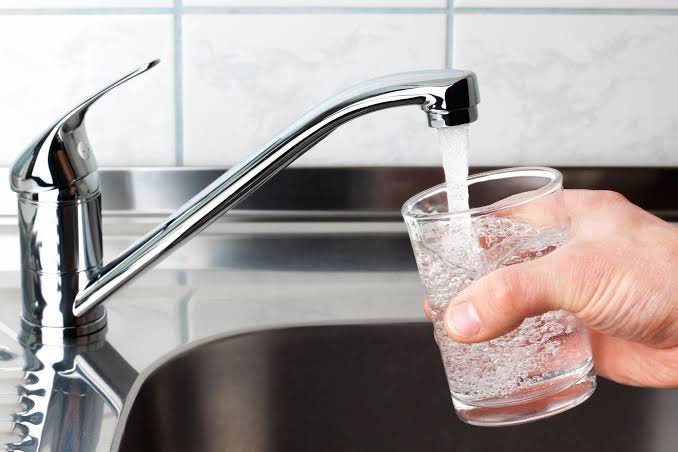
A good home water solution can make clean-tasting water part of the normal routine instead of a separate purchase.
Good Systems Should Work Quietly
The best water systems are not the ones you have to think about constantly. They do their job in the background. You turn on the faucet, and the water is simply better. No fuss, no daily effort, no big dramatic moment.
Continue in this orbit: The Subtle Truth About Clean Water: What Most People Don’t Notice Until It’s Too Late
For most homeowners, reliable performance matters just as much as the type of system they choose. A filter that works beautifully for a few weeks but becomes difficult to maintain is not very helpful. The system should be properly sized, installed correctly, and easy to service when filters need replacement.
This is especially important for busy households. Nobody wants another complicated appliance to babysit. A practical drinking water system should fit into daily life, not create more chores.
Testing Before Choosing a Solution
One mistake people make is buying a filter before understanding the problem. It’s easy to do. A product sounds impressive online, the reviews look good, and the price seems reasonable. But water treatment is not one-size-fits-all.
Continue in this orbit: Better Water at Home Starts with the Right Kind of Balance
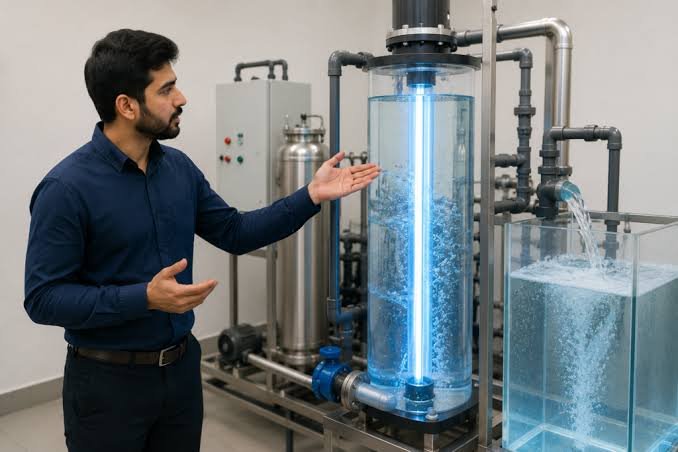
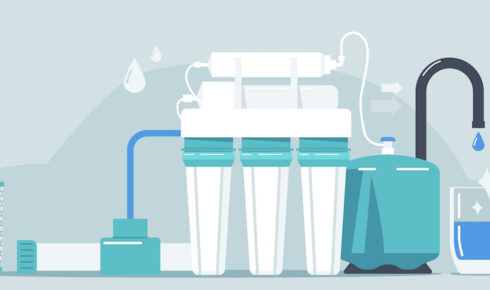
A carbon filter may improve taste and odor, especially when chlorine is the main concern. A reverse osmosis system may be better when dissolved solids or broader contaminant reduction is needed. Well water may require a more detailed approach, especially if there are concerns about sediment, iron, nitrates, or bacteria.
A water test gives you a clearer picture. It helps show what is actually in the water and what kind of system makes sense. Without that step, choosing a product can feel a bit like guessing in the dark.
The Everyday Value of Cleaner Water
Clean drinking water makes a difference in ways that are small but constant. Coffee tastes brighter. Soup tastes more like the ingredients and less like the tap. Ice cubes don’t leave a strange aftertaste. Kids may drink more water when it tastes better. Adults too, honestly.
Good water purification can also reduce dependence on bottled water. That’s better for the household budget and easier on storage space. It also cuts down on plastic waste, which many people care about but don’t always know how to address in a practical way.
And there’s a comfort factor here that’s hard to measure. Knowing your drinking water has been treated properly just makes the home feel a little more settled.
Maintenance Matters More Than People Think
Even the best system needs care. Filters have a lifespan. Membranes may need replacing. Storage tanks and faucets should be checked from time to time. Skipping maintenance can reduce quality and flow, and eventually the system may stop doing what it was installed to do.
The good news is that maintenance is usually simple when planned properly. Marking filter changes on a calendar, working with a trusted water professional, or choosing a system with clear service reminders can make the process easier.
A Simple Improvement That Feels Personal
Water is not the flashiest part of a home, but it touches almost everything. When it tastes clean and feels dependable, daily life gets a little easier. You drink more confidently. You cook without wondering. You stop dragging bottled water from the store every week.
Better water is one of those upgrades that doesn’t need attention once it’s working well. It just quietly improves the background of your day, one glass at a time.