When people admire a newly finished building, they usually notice the visible details first. The lighting feels welcoming. The layout flows naturally. Everything looks polished, modern, and thoughtfully designed.
What almost nobody talks about are the systems hidden behind the walls that quietly make the entire space function every single day.
Continue in this orbit: Keeping Every Building Warm: What Reliable Heating Really Looks Like
Electricity is one of those things we tend to take completely for granted. We expect lights to switch on instantly, equipment to work without interruption, and outlets to provide power whenever we need it. And honestly, most of us barely think about how much planning sits behind that convenience.
But the truth is, modern buildings depend on electrical infrastructure more than ever before.
Continue in this orbit: Understanding the Hidden Utility Work That Keeps Modern Properties Running
Buildings Use More Power Than They Used To
A few decades ago, electrical demand inside most buildings was relatively simple compared to today.
Now even small offices run laptops, climate control systems, security cameras, internet infrastructure, printers, charging stations, and digital communication tools simultaneously. Restaurants rely on refrigeration, automated ordering systems, and commercial kitchen equipment running for long hours without interruption. Warehouses and retail spaces often depend on complex technology systems that can’t afford downtime.
Continue in this orbit: The Subtle Truth About Clean Water: What Most People Don’t Notice Until It’s Too Late
All of that places enormous pressure on building electrical infrastructure.
And while technology has advanced rapidly, many older properties still operate on systems designed for a completely different era. Over time, temporary upgrades and quick fixes often pile on top of each other without proper long-term planning underneath.
That’s usually where problems begin.
The Hidden Complexity Behind Wiring
Most people never see what’s happening inside walls once construction finishes.
Continue in this orbit: Finding the Right Water System for a More Comfortable Home
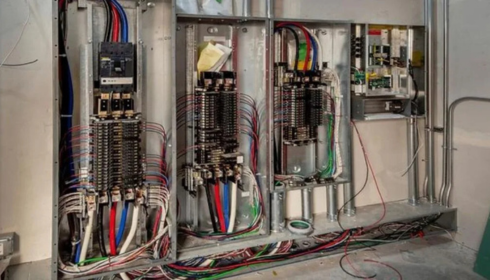
Cables disappear behind plasterboard. Panels stay tucked away in utility rooms. Distribution systems remain hidden above ceilings. Yet those unseen networks quietly support almost every activity inside the building afterward.
Good construction wiring isn’t simply about getting electricity from one place to another. It’s about creating stable, balanced, safe systems capable of handling modern demand consistently over time.
And honestly, the quality of that work affects far more than people realise.
Continue in this orbit: Why the Water in Your Home Deserves More Attention Than You Think
Poorly planned wiring layouts can create overloaded circuits, unstable voltage, inconvenient outlet placement, or inefficient energy distribution that causes frustration for years. Sometimes the problems appear slowly — flickering lights, repeated breaker trips, overheating equipment, or strange electrical inconsistencies people gradually learn to tolerate.
Other times, issues show up all at once during busy periods when systems are pushed beyond their limits.
Good Planning Happens Before Problems Exist
One thing experienced contractors understand well is that successful electrical work starts long before cables are installed.
That early stage of electrical planning often determines whether a building will continue functioning smoothly years later or become difficult and expensive to maintain over time.
Businesses evolve constantly. Equipment changes. Staff numbers grow. Technology expands faster than expected. What feels perfectly sufficient during initial construction can become restrictive surprisingly quickly.
I once spoke with a project manager who described electrical planning as “solving future problems before they’re visible.” That idea stuck with me because it captures something important about infrastructure design.
Good planning creates flexibility.
It allows buildings to adapt without major disruption later. It considers future electrical loads, maintenance access, equipment upgrades, and operational changes before walls are closed permanently.
Because once a building becomes occupied, making major electrical changes is far more disruptive — and usually far more expensive too.
Commercial Spaces Depend on Reliability
Electrical reliability matters everywhere, but it becomes especially critical in commercial environments.
A small electrical issue in a family home is frustrating. A similar issue inside a busy business can affect staff productivity, customer experience, inventory, and revenue all at once.
Think about how much modern businesses rely on stable power today. Offices lose internet and communication systems immediately during outages. Restaurants risk refrigeration failures. Retail stores struggle with payment systems. Warehouses pause operations entirely if automated equipment loses power unexpectedly.
That’s why commercial electrical work requires much more than basic functionality. Systems need to remain dependable under heavy daily use without constant strain or interruptions.
And honestly, reliability is one of those things people only truly appreciate after experiencing the opposite.
Energy Efficiency Is Now Part of Long-Term Thinking
Electricity costs have changed how people approach building infrastructure in recent years.
Efficiency is no longer treated as an optional feature reserved for premium developments. For many businesses and property owners, efficient electrical systems now represent long-term financial planning as much as environmental responsibility.
Modern projects often include LED infrastructure, smart controls, automated lighting systems, improved load balancing, and more efficient distribution methods designed to reduce unnecessary energy consumption over time.
Interestingly, efficient systems usually perform more reliably too.
Balanced electrical loads reduce stress on components. Updated systems handle modern technology more comfortably. Maintenance problems often become less frequent overall.
That combination of efficiency and reliability creates smoother everyday experiences for the people actually using the building afterward.
The Best Infrastructure Usually Stays Invisible
There’s something oddly satisfying about spaces where everything simply works naturally.
The lighting feels comfortable. Equipment powers up reliably. Staff can focus on work without interruptions. Customers don’t experience frustrating technical issues. Nobody stops to think about the electrical systems because there’s no reason to.
And maybe that’s the real purpose of good infrastructure design.
Not to attract attention. Not to feel impressive. But to quietly support daily life in ways people barely notice until something goes wrong.
Because when electrical systems are planned carefully and installed properly, they fade into the background while everything else continues operating smoothly around them.
And honestly, that kind of quiet reliability is probably far more valuable than most people realise.