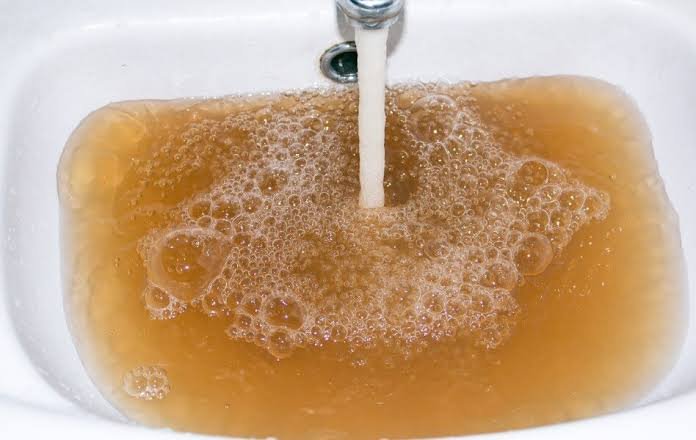
Most people don’t think much about their water until something starts feeling different. It’s rarely dramatic at first. Usually, it begins with small things — dishes that come out cloudy, coffee that tastes slightly off, or a shower that suddenly leaves your skin feeling dry for no obvious reason.
The strange part is how easily we adapt to these little annoyances. Humans are good at getting used to things. A weird smell near the sink becomes “normal.” Mineral stains around faucets stop catching your attention after a while. You tell yourself maybe the dishwasher is getting old or the detergent changed formula.
Continue in this orbit: Why the Water in Your Home Deserves More Attention Than You Think
But often, the issue starts much deeper than that.
Water quietly affects almost every routine in a home, and when the quality changes, daily life changes with it in ways people don’t always realize immediately.
Water Touches More Than We Notice
Think about how often water appears in a single day.
Morning coffee. Brushing your teeth. Washing vegetables for dinner. Laundry. Showers. Filling a pet’s bowl. Running the dishwasher after a long evening.
Continue in this orbit: Better Water Begins With Knowing What Your Home Actually Needs
It’s woven into nearly every household routine. That’s why even subtle changes in water quality tend to ripple through the entire house.
A friend of mine once complained for months about dry hair and rough laundry before discovering her home had extremely hard water. She’d changed shampoos twice, bought expensive fabric softeners, and blamed the weather — all before realizing the actual issue was flowing through her pipes every day.
Continue in this orbit: Better Water at Home Starts with the Right Kind of Balance
Honestly, that happens more often than people think.
The Signs Are Usually Small at First
Most water problems arrive quietly.
You notice buildup around faucets. Soap stops lathering properly. Glassware looks hazy after washing. Maybe there’s an earthy or chemical smell from the tap in the morning.
Individually, none of these seem urgent. Together, though, they often point toward underlying water conditions worth paying attention to.
Continue in this orbit: Better Water at Home Starts with Understanding What’s Really in It
And the tricky part is that water can appear perfectly clear while still containing minerals, chlorine, sediment, or other elements affecting comfort around the house.
That’s one reason more homeowners eventually start exploring water treatment options. Not because they want complicated systems or luxury upgrades, but because they get tired of constantly dealing with recurring problems that never fully go away.
Clean Water Changes Everyday Comfort
People often focus mainly on drinking water when talking about filtration systems, but the reality is broader than that.
Continue in this orbit: The Home Feels Different When the Water Works Better
Water quality affects:
- Shower comfort
- Appliance efficiency
- Laundry softness
- Cleaning routines
- Cooking flavor
- Plumbing lifespan
When water improves, the whole house somehow feels easier to live in.
Showers become more relaxing. Towels feel softer. Dishes sparkle more consistently. Coffee tastes cleaner. These aren’t dramatic life-changing moments, but they add up in a surprisingly meaningful way over time.
And honestly, once you experience consistently cleaner water, it’s hard not to notice the difference afterward.
Why Filtration Isn’t One-Size-Fits-All
A lot of people assume every home needs the same type of filter, but water conditions vary enormously depending on location, plumbing, and water source.
Some homes struggle with mineral-heavy hard water. Others deal with chlorine odors, sediment, sulfur smells, or metallic tastes. Well water systems often face completely different challenges than city supplies.
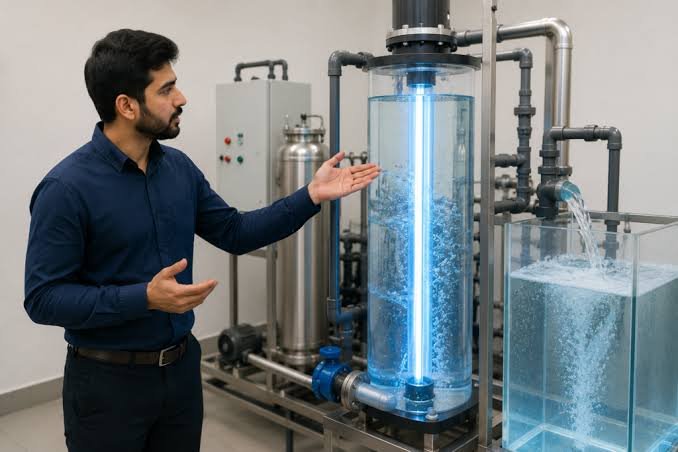
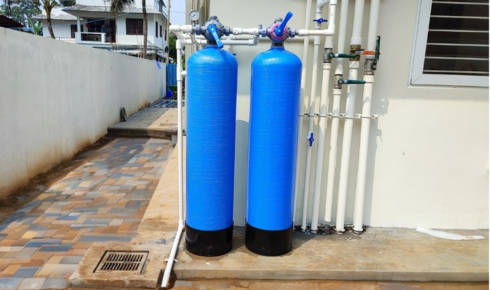
That’s why proper water filtration should be based on the specific conditions inside a home rather than random internet recommendations.
A simple carbon filter may solve one family’s problem perfectly. Another household may need softening systems, sediment filtration, or additional treatment stages.
And honestly, this is where many homeowners become overwhelmed. There are so many products advertised online that it becomes difficult to separate actual solutions from marketing promises.
Testing Brings Clarity
One of the smartest things homeowners can do before investing in equipment is start with water testing.
Without testing, people are mostly guessing.
Maybe the problem is chlorine. Maybe it’s high mineral content. Maybe old plumbing is contributing to the issue. The only way to know for sure is to analyze the water itself.
Testing provides real information instead of assumptions, and honestly, that knowledge alone can feel reassuring. Once homeowners understand what’s actually in their water, choosing the right solution becomes much simpler and less stressful.
A lot of people discover their problems are easier to solve than they originally feared.
Water Problems Create Quiet Stress
This might sound odd, but poor water quality creates a kind of low-level frustration that slowly builds over time.
You stop trusting the tap completely. You wonder why your shower leaves residue. You question whether strange tastes are normal. Guests ask for bottled water instead of drinking from the sink.
None of these issues feel catastrophic, but together they make home life feel slightly less comfortable than it should.
That’s why improving water quality often feels surprisingly emotional once everything finally works properly again. People don’t realize how much the issue bothered them until it disappears.
Better Water Fades Into the Background
One thing people consistently say after fixing their water issues is, “I stopped thinking about it.”
And honestly, that’s probably the best possible outcome.
Good water shouldn’t demand constant attention. It should support daily life quietly in the background — clean showers, fresh coffee, softer laundry, reliable appliances. Simple things.
At the end of the day, water is part of almost every moment we spend at home. When it’s clean, balanced, and comfortable to use, life flows more smoothly without anyone needing to think too hard about it.
Sometimes the best home improvements aren’t flashy at all. Sometimes they’re the quiet ones you appreciate every single day without even realizing it.