There are certain household problems people can live with for a while. A squeaky door. Weak water pressure. Maybe even an old faucet that drips occasionally at night.
But strange-smelling water? That gets attention fast.
The moment someone turns on the tap and notices a strong rotten egg smell, the entire house suddenly feels different. Showers become unpleasant. Cooking feels questionable. Even brushing your teeth turns into one of those tiny daily annoyances that slowly wears on you.
And honestly, once that smell appears, it’s difficult not to notice it every single time water runs anywhere in the house.
Continue in this orbit: Why Hard Water Can Slowly Affect Your Home and Appliances
Why Water Sometimes Smells Like Sulfur
In many homes, especially properties using well water, sulfur-related odors are surprisingly common. Usually, the smell comes from hydrogen sulfide gas forming naturally underground or inside plumbing systems.
That unmistakable sulfur smell often reminds people of spoiled eggs or stagnant water. Not exactly what anyone wants drifting out of the kitchen sink before making coffee.
The confusing part is that the smell doesn’t always stay consistent. Some homeowners notice it only in hot water. Others smell it strongest first thing in the morning after the water has been sitting in pipes overnight.
Continue in this orbit: Why the Water in Your Home Deserves More Attention Than You Think
And because the issue can come and go, people sometimes delay dealing with it for months thinking it’ll somehow disappear on its own.
Usually, it doesn’t.
I remember staying at a rural guesthouse once where the bathroom water smelled faintly like sulfur every morning but seemed almost normal later in the day. The owner casually shrugged and said, “Oh, you stop noticing it after a while.”
Continue in this orbit: The Subtle Truth About Clean Water: What Most People Don’t Notice Until It’s Too Late
Which, honestly, is both true and slightly alarming.
The Smell Isn’t Always Dangerous — But It’s Still a Problem
One thing homeowners should understand is that sulfur odors don’t automatically mean the water is unsafe. In many cases, the smell is more unpleasant than harmful.
Still, persistent odors almost always point toward something happening inside the water source, plumbing, or water heater system that deserves attention.
Continue in this orbit: Finding the Right Water System for a More Comfortable Home
Sometimes bacteria interact with naturally occurring sulfur underground. Other times, aging plumbing components or stagnant water conditions contribute to the issue. Water heaters themselves can occasionally worsen sulfur-related smells due to chemical reactions happening inside the tank.
Even if the water technically passes safety standards, nobody enjoys living with a constant bad odor every time they shower or wash dishes.
That emotional discomfort matters more than people sometimes admit.
Home is supposed to feel clean and comfortable. Strange-smelling water quietly disrupts that feeling every single day.
Continue in this orbit: Cleaner Water, Healthier Living: Why the Right Filtration System Matters More Than You Think
Hot Water Usually Makes the Problem Worse
A lot of homeowners notice the smell becomes stronger when running hot water instead of cold.
That detail matters.
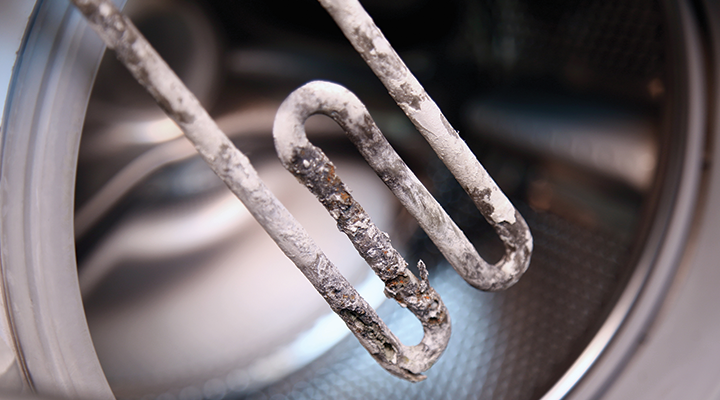
If the odor mainly appears while using hot water, the issue may involve the water heater rather than the entire plumbing system. Sediment buildup, bacteria growth, or aging anode rods inside the tank can sometimes create or intensify sulfur-like smells over time.
And because water heaters sit quietly out of sight, people rarely think about them until symptoms become obvious.
Funny enough, many homeowners spend months cleaning drains or replacing faucet fixtures before realizing the real source of the smell is sitting in the garage the whole time.
Water Odors Affect More Than People Expect
It’s easy to underestimate how much water odors impact daily life until you actually live with them.
Showers stop feeling relaxing.
Laundry smells slightly off.
Cooking becomes less enjoyable.
Guests hesitate before drinking from the tap.
Even small smells create low-level frustration because water touches nearly every part of home life. And once people lose confidence in their water quality, they start questioning everything else too.
Is it okay to cook with?
Why does the bathroom smell weird after showers?
Should the kids be drinking this?
That uncertainty becomes exhausting over time.
Why Ignoring the Problem Usually Doesn’t Work
One common mistake homeowners make is trying to mask the symptoms instead of investigating the source properly.
Candles.
Air fresheners.
Drain cleaners.
Cheap faucet filters.
Sometimes those things help temporarily. But if the actual water issue remains untreated, the smell almost always returns eventually.
And because sulfur odors often develop gradually, many people normalize the issue instead of solving it.
Until visitors notice it immediately.
That’s usually the turning point.
Water Testing Matters More Than Guessing
The tricky part about water smells is that different issues can create surprisingly similar symptoms.
Sulfur bacteria, iron contamination, organic material, plumbing corrosion, and water heater problems can all contribute to unpleasant odors in different ways.
That’s why proper testing matters before investing in solutions.
Without testing, homeowners often waste money chasing the wrong fix. One neighbor recommends replacing the water heater. Another swears every home needs a massive filtration system. Meanwhile, the actual issue may be far simpler — or completely different.
Understanding the source first almost always saves time, money, and frustration later.
Better Water Quietly Changes the Feel of a Home
When odor problems finally get resolved properly, the difference feels immediate.
The kitchen smells fresher.
Showers become enjoyable again.
Coffee tastes cleaner.
The whole house somehow feels more comfortable.
And maybe that’s because water plays such a constant role in daily routines people normally take for granted. Washing dishes after dinner. Filling a glass before bed. Taking a hot shower after a long day.
When everything smells clean and neutral, nobody thinks much about it.
But the moment strange odors start drifting from the tap, the entire house notices.
Paying Attention Early Usually Prevents Bigger Frustrations
Most water issues begin quietly.
A faint smell here.
A strange taste there.
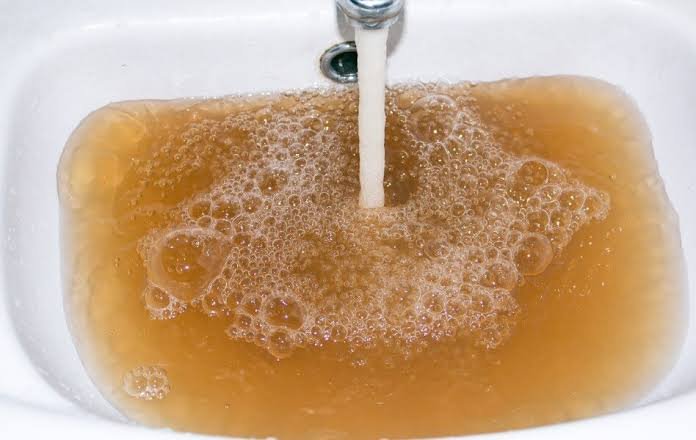
Slight discoloration around fixtures.
These things might not seem urgent initially, but they’re usually worth paying attention to before larger plumbing or water quality issues develop over time.
And honestly, many odor problems are surprisingly manageable once the actual cause gets identified properly. The hardest part is often recognizing that the smell isn’t “normal” just because it’s been happening for a long time.
Sometimes your home starts asking for help through the water long before bigger problems appear.