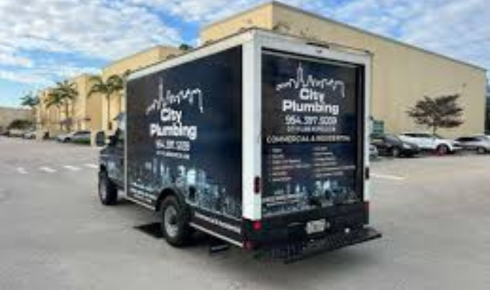
Most people notice a wrapped vehicle because of the design first. Bright colors, sleek finishes, oversized logos — it catches attention almost instantly. But what’s interesting is how much modern vehicle films actually do beyond appearance.
A lot of today’s wrapping technology quietly blends aesthetics with practicality. Some films improve visibility at night. Others add protection against weather or road wear. Certain materials even help businesses stay safer while becoming more recognizable at the same time.
Continue in this orbit: When Customers Become a Community: Why Brands Are Thinking Beyond Just Sales
That balance between function and visual impact is probably why vehicle film technology has evolved so quickly over the last few years. It’s no longer only about making a car or truck “look cool.” For many businesses, it’s become part marketing tool, part protective layer, and part safety feature all rolled into one.
And honestly, people tend to underestimate how important that combination really is.
Continue in this orbit: Writing in the Age of Algorithms: When Creativity Meets Detection
Visibility Matters More at Night Than Most Drivers Realize
Daytime branding is one thing. Night visibility is another entirely.
If you’ve ever driven behind a utility truck or roadside service vehicle late at night, you’ve probably noticed how certain graphics almost glow when headlights hit them. That’s not accidental design — it’s engineered visibility.
High-quality reflective films are designed to bounce light back toward its source, making vehicles far easier to spot in low-light conditions. For industries like construction, towing, delivery services, or emergency roadside support, that visibility can genuinely improve safety for both workers and other drivers.
But there’s something else interesting about reflective materials too. They create a different visual experience altogether. During the day, the graphics may appear subtle and professional. At night, they suddenly come alive under headlights or streetlights.
Continue in this orbit: When People Stop Clicking: Rethinking Marketing in a Scroll-First World
It’s practical, yes, but there’s also a strangely futuristic quality to it.
Safety Isn’t Always the First Thing People Think About
When businesses invest in vehicle graphics, they usually focus on advertising first. That’s understandable. Visibility drives recognition, and recognition can lead to customers.
Continue in this orbit: How Modern Water Filtration Systems Work Smarter for Everyday Homes
Still, safety often becomes one of the biggest long-term benefits without companies fully expecting it.
Modern safety films help improve visibility around work vehicles, trailers, and service fleets operating in difficult conditions. Rain, fog, nighttime traffic, or busy construction zones all increase risk on the road. Reflective and high-contrast materials help drivers notice vehicles earlier, which can reduce accidents or dangerous close calls.
And honestly, people working long shifts on roadsides deserve that added protection.
Continue in this orbit: How to Choose the Right Vehicle for Your Budget and Daily Life
There’s a human side to vehicle safety that gets overlooked in marketing conversations sometimes. Behind every wrapped truck or service van is an actual person trying to get through the workday safely and return home afterward.
When design improves safety even slightly, that matters.
Branding Feels Different in the Real World
Digital marketing is everywhere now. Honestly, most people are exhausted by it.
Ads follow users across websites. Social platforms constantly push sponsored content. Even videos get interrupted every few minutes. It’s effective sometimes, but it can also feel overwhelming.
That’s one reason physical branding still stands out so much.
Good vehicle branding exists naturally in real-world spaces without demanding attention aggressively. People notice company vehicles while driving, walking through neighborhoods, or sitting at intersections. The exposure feels passive instead of intrusive.
Over time, those repeated sightings create familiarity.
A local plumbing company, delivery service, or electrical contractor becomes recognizable simply because people keep seeing their vehicles around town. That kind of familiarity builds trust slowly and quietly, almost in the background.
And weirdly enough, that slower approach often feels more authentic than highly targeted online ads.
Modern Films Changed the Look of Commercial Vehicles
Commercial vehicles used to look purely functional. Basic logos slapped onto white vans. Maybe a phone number on the side if the company felt ambitious.
Now? Completely different story.
Today’s film technology allows businesses to create sleek matte finishes, metallic textures, satin surfaces, color-shifting effects, and highly detailed graphics that almost resemble custom paintwork. Commercial fleets no longer have to look boring to appear professional.
Actually, some of the cleanest designs are surprisingly minimal.
A sharp logo, restrained color palette, and subtle reflective accents can create a far stronger impression than overloaded designs packed with information. Simplicity tends to feel more confident.
And because films are removable, businesses can refresh designs later without permanently repainting vehicles. That flexibility matters for growing companies evolving their visual identity over time.
Durability Quietly Adds Value
Most people think wraps are fragile until they see how much abuse quality films can handle.
Road debris, sun exposure, rain, temperature swings, dust — commercial vehicles deal with all of it daily. Good film materials provide a layer of protection for the original paint underneath, which can help preserve vehicle condition over time.
For businesses rotating fleets every few years, maintaining resale value becomes an added bonus.
Of course, installation quality matters enormously too. Poorly installed films peel, bubble, or fade faster. Experienced installers understand how materials behave around curves, edges, and complex surfaces where mistakes become obvious quickly.
It’s craftsmanship more than people realize.
The Best Branding Usually Feels Natural
Maybe that’s the biggest lesson modern vehicle design keeps proving.
The most effective branding rarely screams for attention.
Instead, it becomes part of everyday life. A delivery van you recognize during your commute. A utility truck parked in neighborhoods repeatedly. A service fleet visible around town week after week. Over time, those visuals create trust almost accidentally.
And when safety features blend seamlessly into that design — reflective surfaces, high-visibility films, durable materials — businesses gain something more valuable than advertising alone.
They create visibility people remember and safety people rely on.
Not flashy. Not forced.
Just practical design doing its job quietly, every single day.