Most people don’t think much about their water until something changes. Maybe the shower leaves a chalky film on the glass, the kitchen tap develops reddish stains, or the water suddenly has an unfamiliar taste. Sometimes the issue is obvious; other times, it’s difficult to put a finger on what’s wrong. Either way, guessing rarely leads to the best solution.
Water quality can vary significantly depending on the source, local geology, plumbing, and treatment already in place. That’s why solving a water problem should begin with understanding what’s actually happening. With the right testing, practical advice, and dependable installation support, homeowners can make informed decisions instead of spending money on equipment that may not meet their needs.
Continue in this orbit: Better Water at Home Starts with the Right Kind of Balance
Start With a Clear Picture of Your Water
Before choosing a filter, softener, or other treatment equipment, it’s worth finding out what’s in your water. Municipal supplies are generally treated and monitored, but the water can still pick up substances from household plumbing or develop characteristics that affect taste and appearance. Private wells present different considerations because their quality can be influenced by groundwater conditions, nearby land use, and seasonal changes.
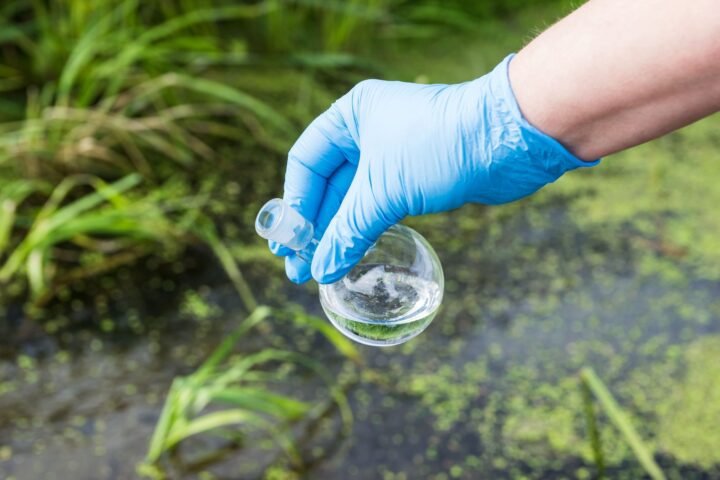
This is where professional water testing can make a real difference. Depending on your concerns, testing may examine hardness, pH, iron, manganese, nitrates, bacteria, or other relevant substances. The right test depends on the water source and the problem you’re trying to investigate.
For example, orange or reddish staining may suggest iron, while white deposits often point toward hardness minerals. A sulfur-like odor may have a different cause altogether. These clues are useful, but they don’t confirm a diagnosis. Testing provides more reliable evidence than appearance or smell alone.
Continue in this orbit: Better Water Begins With Knowing What’s in It: A Practical Guide to Testing, Installation, and Reliable Treatment
It’s also important to remember that clear water isn’t necessarily safe water. Some contaminants cannot be detected by sight, taste, or smell. If you’re concerned about drinking-water safety, choose appropriate testing and treatment based on recognized guidance for your area.
Why One Water Treatment System Doesn’t Suit Everyone
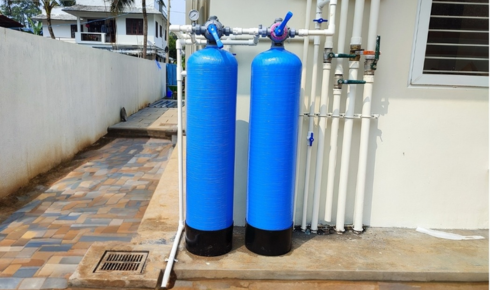
It’s tempting to look for a single product that promises to fix every water issue. In practice, treatment equipment is designed for specific purposes. A water softener reduces hardness minerals through ion exchange, while a sediment filter captures particles such as sand and rust. Certain carbon filters can improve taste and odor, and reverse osmosis systems may reduce particular dissolved substances when properly selected and maintained.
Continue in this orbit: Better Water at Home Starts with Understanding What’s Really in It
These technologies aren’t interchangeable. Installing a softener won’t necessarily remove bacteria, and a basic sediment filter won’t resolve every chemical concern. The right combination depends on the test results, the amount of water used, and where treatment is needed.
Households also have different priorities. One family may mainly want to reduce scale around faucets and water heaters. Another may be concerned about drinking-water taste, while a rural property might need a treatment setup designed around a private well.
Continue in this orbit: Better Water Begins With Knowing What Your Home Actually Needs
The goal isn’t to install the most complicated system available. It’s to choose equipment that addresses the actual issue without adding unnecessary cost or maintenance.
The Value of Customized Recommendations
Once the water has been assessed, the next step is deciding what to do with the results. Useful customized recommendations take more into account than a laboratory report or a product brochure. They consider the water source, the property’s plumbing, daily consumption, available installation space, and the household’s budget.
Imagine two homes with similar hardness levels. One has a small family and modest water use. The other has several bathrooms and multiple people showering throughout the morning. Although the water chemistry may be similar, their equipment capacity and peak demand requirements could be quite different.
Continue in this orbit: Choosing the Right Water Treatment System for Everyday Comfort
A thoughtful recommendation should explain why a particular treatment method is suitable, what it is expected to improve, and what it won’t address. It should also outline ongoing costs, replacement parts, servicing needs, and any limitations associated with the technology.
Don’t hesitate to ask questions. How often will the filters need changing? Does the system require salt? Will it produce wastewater? Is additional pretreatment necessary? Clear answers help you understand the real cost of ownership rather than focusing only on the initial purchase price.
A trustworthy provider should be comfortable explaining alternatives, including situations where a simpler solution may be sufficient.
Installation Matters More Than You Might Expect
Even good equipment can perform poorly when it’s installed incorrectly. Water treatment systems need suitable connections, enough room for maintenance, and the right flow capacity for the property. Some also require a drain, electrical supply, or specific operating conditions.
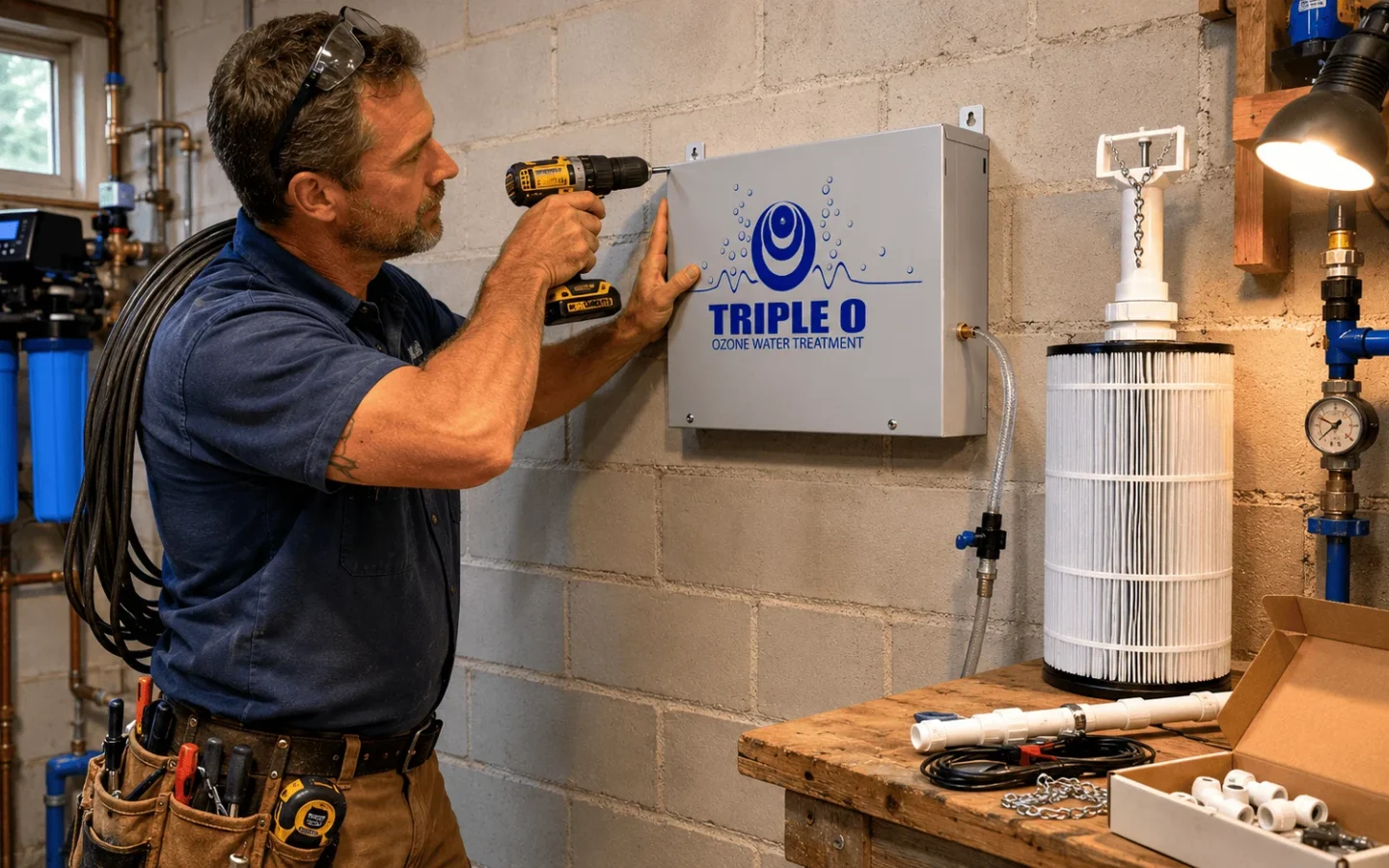
Reliable local installation & service can be especially valuable when equipment needs adjustment or develops a problem after installation. A qualified installer can assess the plumbing, confirm that the chosen system is compatible with the water supply, and explain how to operate it correctly.
Before work begins, ask what the installation includes. Will the technician inspect existing connections? Are bypass valves needed? Who is responsible for testing the system after installation? What happens if a leak or performance issue appears later?
These aren’t fussy details. They’re practical questions that can prevent confusion and unnecessary repair costs.
Local availability can also make routine maintenance easier. If a system needs replacement cartridges, troubleshooting, or an annual inspection, knowing where to get assistance is reassuring. Still, proximity alone doesn’t guarantee quality, so check qualifications, warranties, service terms, and the provider’s willingness to explain the work.
Maintenance Keeps the Benefits Going
Water treatment isn’t a one-time purchase that can be forgotten. Filters gradually collect particles, softeners need regeneration and replenishment, and mechanical components may eventually wear out. Without routine attention, even a properly installed system can lose effectiveness.
Follow the manufacturer’s maintenance schedule and keep a simple record of filter changes, servicing, and any unusual symptoms. If your system includes monitoring lights or digital alerts, learn what they mean rather than ignoring them until the equipment stops working.
Changes in taste, pressure, odor, or water appearance deserve attention, particularly if they develop suddenly. Sometimes the cause is a clogged filter or a plumbing issue. In other cases, the water source itself may have changed, making fresh testing worthwhile.
For private wells, follow appropriate recommendations for periodic testing even when the water seems normal. A treatment system cannot compensate for every possible change in groundwater quality, and maintenance should include checking whether the equipment remains suitable for the conditions.
Making a Confident, Long-Term Decision
Choosing water treatment equipment doesn’t have to be overwhelming. Begin with the problem you want to solve, gather reliable information about the water, and compare solutions based on their demonstrated capabilities. From there, look for an installer who can explain the process clearly and provide support after the job is finished.
Be cautious of sweeping promises. No single filter or conditioner removes every contaminant, and not every household needs a whole-house treatment system. Good advice should reflect the evidence, not simply steer you toward the most expensive option.
Ultimately, better water management comes from a series of sensible decisions. Test when appropriate, select the right technology, install it properly, and keep up with maintenance. Those steps can help protect plumbing and equipment, improve everyday convenience, and provide greater confidence in the water you use.
Water is part of nearly everything we do at home, from making morning coffee to washing clothes after a long day. Taking the time to understand it is worthwhile. With sound information and dependable support, you can find a solution that fits your household and continues to serve you well over time.