Start With the Water You Actually Have
Water is such a normal part of home life that we rarely stop to think about it. We drink it, cook with it, wash clothes in it, and stand under it every morning without giving much thought to what is flowing through the pipes.
That usually changes when something goes wrong. Maybe the showerhead develops a crusty white coating. Perhaps dishes come out of the dishwasher covered in spots, or the water has a taste that isn’t quite right. These little annoyances can be signs that your home’s water quality deserves a closer look.
Continue in this orbit: Finding the Right Water System for a More Comfortable Home
Fortunately, homeowners have several treatment options today. The trick is choosing one that solves your actual problem instead of buying equipment simply because it has impressive features.
Hard Water Can Be a Daily Frustration
Hard water is one of the most common reasons people start exploring water treatment. It contains minerals, mainly calcium and magnesium, that can leave scale on plumbing fixtures and appliances.
Continue in this orbit: Cleaner Water, Healthier Living: Why the Right Filtration System Matters More Than You Think
You may notice mineral rings around faucets, cloudy shower doors, or deposits inside a coffee maker. Soap can also seem less effective, making showers and cleaning feel like more work than they should.
For homes dealing primarily with hardness, water softeners can be a practical solution. They are designed to reduce hardness minerals and can help limit scale throughout the plumbing system.
That doesn’t mean a softener solves every water-quality concern. It doesn’t. But when hard water is the problem, using technology designed specifically for hardness makes much more sense than relying on a general-purpose filter.
Continue in this orbit: Better Water Begins With Knowing What’s in It: A Practical Guide to Testing, Installation, and Reliable Treatment
Why Water Testing Comes First
It’s tempting to browse online, read a few reviews, and order a treatment system immediately. But water quality isn’t identical from one house to another.
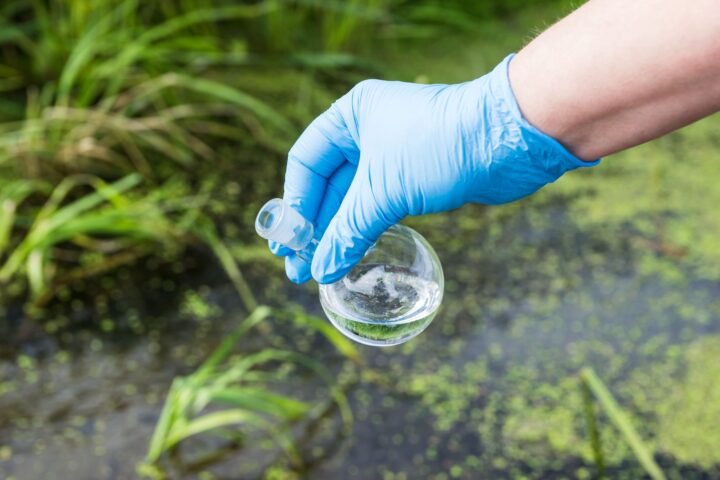
A water test can provide useful information about characteristics such as hardness, pH, chlorine, iron, sediment, and dissolved substances, depending on the type of analysis performed.
Continue in this orbit: Better Water at Home Starts with the Right Kind of Balance
This information gives homeowners a much better starting point. Instead of guessing, you can choose equipment based on what is actually present in the water.
It’s a bit like checking the engine before replacing car parts. You want to know what needs fixing first.
Continue in this orbit: When It’s Time to Repair, Replace, or Upgrade Your Water System
Drinking Water May Need a Different Approach
Whole-home water treatment and drinking-water filtration don’t necessarily have the same purpose. A family might want to reduce hard-water problems throughout the property while also wanting more highly treated water for drinking and cooking.
That’s where point-of-use filtration can be useful.
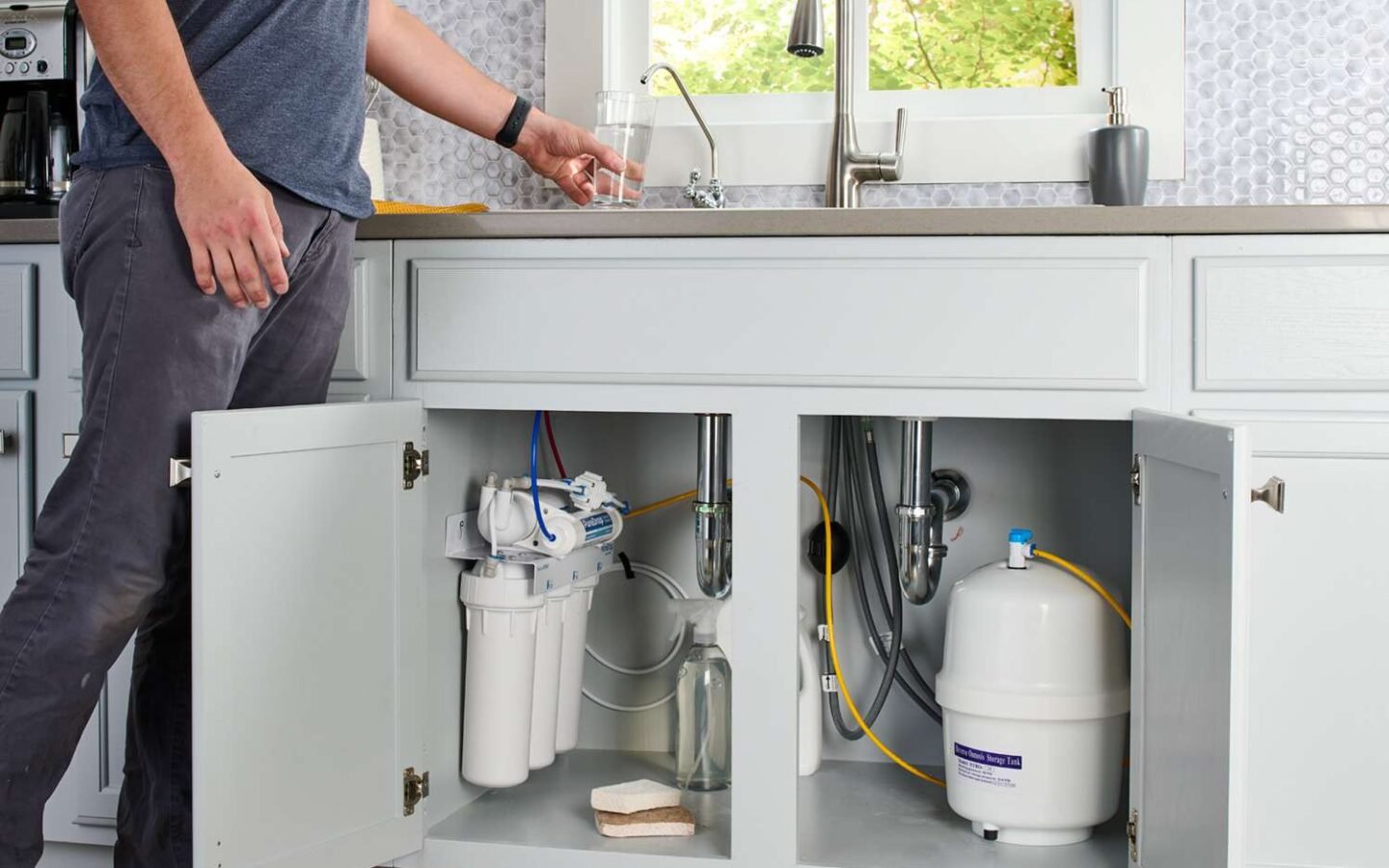
Reverse osmosis units are commonly installed beneath a kitchen sink and use a semipermeable membrane to reduce many dissolved substances from water. Depending on the system, several filtration stages may be included before and after the membrane.
For homeowners concerned about drinking-water quality, this can be a useful option. However, reverse osmosis isn’t automatically necessary for every household. Testing should help determine whether the technology is appropriate.
Understanding the Role of Alkaline Filtration
Alkaline water has become a popular topic, particularly among people interested in the taste and characteristics of filtered water.
Alkaline water filters are designed to produce water with a higher pH, depending on the technology and system design. Some homeowners simply prefer the taste, while others are interested in the broader claims sometimes associated with alkaline water.
It’s worth keeping expectations realistic. Marketing can make almost any water-treatment technology sound miraculous, but the most important priority should remain appropriate filtration and safe drinking water.
If you’re considering an alkaline system, look at what the filter actually does, how it is maintained, and whether it addresses your household’s specific water needs.
One System Doesn’t Have to Do Everything
A common misconception is that homeowners need one machine capable of solving every water issue.
In reality, different technologies are designed for different purposes.
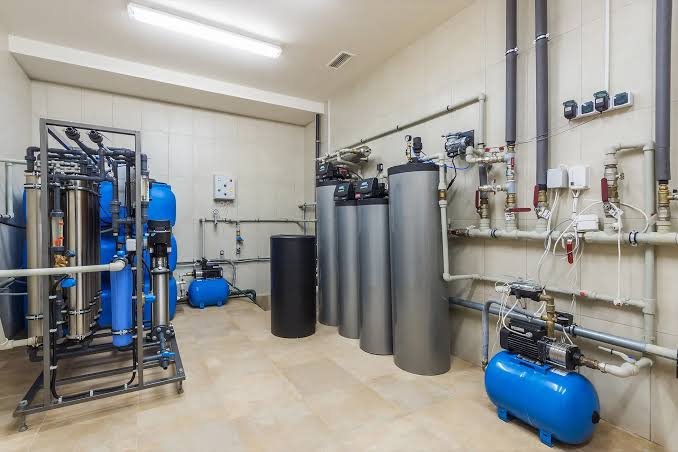
A water softener can address hardness. Carbon filtration may improve certain tastes and odors. Reverse osmosis can provide more intensive drinking-water treatment. Sediment filtration can help capture suspended particles.
Sometimes one technology is enough. In other homes, combining systems makes sense.
The important thing is to avoid adding equipment simply for the sake of having more filtration stages. More isn’t always better. The right treatment is better.
Think About Your Household’s Routine
A good water treatment system should fit naturally into your lifestyle.
Consider how many people live in the home, how much water you use, where you notice problems, and how much maintenance you’re willing to handle.
For example, a small household primarily concerned with drinking water might prefer an under-sink filtration system. A larger family dealing with hard water throughout the house may benefit from whole-home softening combined with dedicated drinking-water filtration.
The system should work with your routine, not become another chore you constantly have to remember.
Maintenance Is Part of the Purchase
Every water treatment system requires some level of maintenance. Filters need replacement. Softener components need attention. Reverse osmosis membranes eventually need changing.
Before purchasing equipment, ask about those ongoing requirements.
How often do filters need to be replaced? What do replacement parts cost? Can homeowners perform basic maintenance themselves? Is professional service available when necessary?
These questions aren’t particularly exciting, but they matter. A system that’s easy to maintain is usually much more pleasant to own.
And forgetting a filter for six months isn’t exactly a winning maintenance strategy.
Consider the Long-Term Cost
The purchase price is only part of the equation.
Homeowners should think about installation, replacement filters, salt or other consumables, servicing, water usage, and expected equipment lifespan.
A cheaper system may not remain cheap if replacement cartridges are expensive or difficult to find. Likewise, a premium system isn’t necessarily a good investment if its advanced features aren’t useful for your household.
Look for value rather than simply the lowest price.
Professional Installation Can Help
Even excellent equipment can perform poorly if it isn’t installed correctly. Water pressure, plumbing connections, drainage, system sizing, and configuration all matter.
Professional installation can help ensure the treatment equipment is properly matched to the home’s needs. It also gives homeowners an opportunity to learn how the system works.
A good installer should explain routine operation, maintenance schedules, replacement requirements, and what to do if something doesn’t seem right.
That kind of guidance can save frustration later.
Better Water Doesn’t Have to Be Complicated
Choosing water treatment equipment may seem overwhelming at first, especially with so many options available. But the process becomes much easier when you take it step by step.
Start by testing the water. Identify the biggest concern. Decide whether you need whole-home treatment, drinking-water filtration, or a combination of technologies. Then compare systems based on performance, maintenance, installation, and long-term cost.
The goal isn’t to own the most sophisticated water system on the market.
It’s to have water that works better for your household.
When the right system is properly installed and maintained, it quietly becomes part of the home. You get cleaner fixtures, better-tasting drinking water, less mineral buildup, or simply greater confidence in the water you use every day.
And really, that’s what good water treatment should feel like—less of a project and more of an everyday improvement you barely have to think about.