Big cleanup jobs have a way of sneaking up on you. A garage that needs clearing, an old kitchen that’s being torn out, or a property waiting for renovation can produce far more waste than a few household trash bins can handle. Once the debris starts stacking up, the project can feel less like progress and more like a battle against clutter.
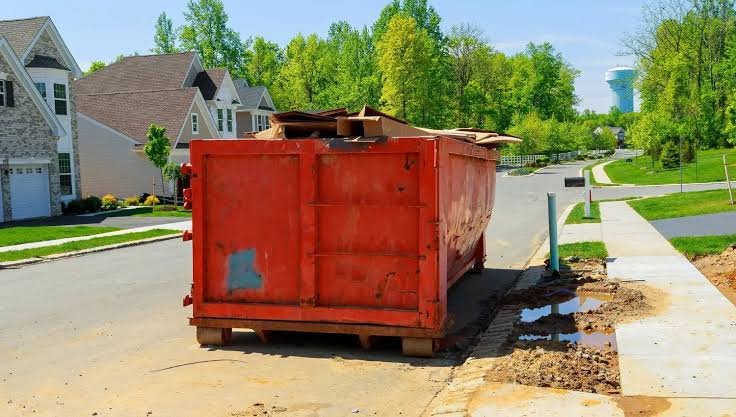
That’s where a local service can be genuinely useful. Having a dumpster delivered close to your project means waste has somewhere to go as soon as it comes out. No filling the pickup truck three times. No awkward piles sitting beside the house for days. Just one container, one location, and a much clearer plan for dealing with the mess.
Why Local Dumpster Services Are Worth Considering
There’s a practical advantage to choosing a dumpster company that serves your area regularly. Local providers tend to understand nearby roads, property layouts, disposal requirements, and common delivery challenges.
Continue in this orbit: Why Hard Water Can Slowly Affect Your Home and Appliances
That knowledge can matter when a driveway is narrow, access is awkward, or a dumpster needs to be positioned somewhere other than the obvious spot.
It can also be easier to communicate with a company that regularly works in your area. If you’re unsure about dumpster sizes, rental terms, or accepted materials, you can explain what you’re doing and get advice based on the actual project.
Continue in this orbit: Better Water Begins With Knowing What’s in It: A Practical Guide to Testing, Installation, and Reliable Treatment
Nobody wants a complicated waste-disposal process. Especially when the renovation itself is already complicated enough.
Choosing the Right Dumpster Size
The right dumpster isn’t necessarily the biggest one available.
Dumpsters are generally measured in cubic yards, and different sizes are designed for different amounts of waste. A small home cleanout might need only a compact container, while a major renovation or construction project could require something much larger.
Continue in this orbit: Granny Flat Builders in Adelaide: Create Modern Living Spaces With Expert Renovation Solutions
Think about the entire project rather than the first pile of debris. Removing a bathroom vanity and some flooring may not look like much. Add cabinets, drywall, fixtures, packaging, and furniture, though, and suddenly the volume grows.
If you’re uncertain, describe the project to the rental company. Mention the type of materials you’re removing and roughly how extensive the work will be. A good provider should be able to guide you toward a reasonable size.
Continue in this orbit: Better Water at Home Starts with the Right Kind of Balance
Flexible Rental Periods Can Take Pressure Off
Projects rarely follow the schedule you wrote down on Monday morning.
A renovation might uncover damaged wiring. A cleanout could take longer because someone discovers another storage room packed with forgotten belongings. Weather can also throw outdoor projects completely off track.
That’s why flexible rental periods can be so helpful. Instead of racing to finish simply because the dumpster is scheduled for pickup, you have some breathing room when the project takes longer than expected.
Before booking, ask how long the standard rental lasts and whether extensions are available. Find out what additional days cost, too.
Continue in this orbit: Better Water at Home Starts with Understanding What’s Really in It
A little flexibility can save you from rushing the final stages of a project, which is when mistakes and injuries tend to happen.
What Makes a Dumpster Reliable?
A dumpster may seem like a basic piece of equipment, but reliability matters.
You want reliable dumpsters that arrive when promised, remain available for the agreed rental period, and are picked up without unnecessary delays.
This becomes especially important on construction sites. If debris can’t be removed on schedule, the work area can become crowded and inconvenient. For homeowners, a delayed pickup may mean losing access to part of a driveway or yard.
Before choosing a provider, look at customer feedback and ask questions about delivery and pickup procedures. Clear communication is usually a good sign.
Know What You Can Throw Away
One of the easiest mistakes is assuming every type of waste belongs in a dumpster.
Many common materials are accepted, including wood, drywall, furniture, cardboard, flooring, carpeting, and general household or renovation debris.
However, some items may be prohibited. Hazardous chemicals, batteries, tires, certain electronics, paints, and other regulated materials often require specialized disposal.
Rules vary, so ask your provider for a list of restricted items before you start loading.
It’s a tiny bit of extra planning that can prevent a much bigger headache later.
Weight Matters, Too
Volume gets most of the attention, but weight can become just as important.
A dumpster filled with cardboard and household clutter may remain relatively light. A smaller load of concrete, bricks, dirt, or roofing material can be extremely heavy.
Before ordering, tell the rental company what materials you expect to dispose of. Ask about weight limits and possible charges for exceeding them.
This is particularly important for demolition and construction work. Heavy debris can reach the permitted weight faster than people expect.
Prepare the Area Before Delivery
Don’t wait until the truck is already on the street to figure out where the dumpster should go.
Choose a stable, accessible location with enough room for the container and delivery vehicle. Clear away parked cars, branches, equipment, and other obstacles.
Check overhead clearance as well. Tree limbs and utility wires can create problems for delivery equipment.
If you’re thinking about placing the dumpster on a public street, check local rules first. You may need a permit or have restrictions regarding how long the container can remain there.
Load the Dumpster With Some Common Sense
There’s no need to throw everything in randomly.
Break down bulky furniture and boxes where possible. Put heavier debris toward the bottom and distribute the weight instead of piling everything in one corner.
Don’t load the dumpster above the fill line. Materials sticking out of the container can create safety issues and may have to be removed before pickup.
And if you’re handling demolition debris, wear proper protective equipment. Gloves and sturdy footwear are especially useful when dealing with nails, broken glass, metal, or splintered wood.
Planning Pickup From the Start
Pickup should be part of the rental conversation from day one.
Ask whether pickup is automatically scheduled or whether you need to call when the dumpster is ready. If your project finishes earlier, find out whether early pickup is possible.
If you’re going to need the dumpster longer, communicate before the original rental period expires.
Good scheduling keeps the container from becoming an obstacle once the project is finished.
A Little Planning Makes a Big Difference
Dumpster rental isn’t complicated, but it works best when you think ahead.
Estimate the amount of waste, choose a suitable container, check the weight restrictions, prepare the delivery location, and understand the rental period. Most importantly, ask questions before the dumpster arrives.
Whether you’re clearing out a crowded home, renovating a property, or managing a construction project, a well-planned dumpster rental can remove a surprising amount of stress.
The debris will still pile up. That’s unavoidable. But when there’s a designated place for it, the mess feels much more manageable.
And once the final load disappears and the work area starts looking like a usable space again, you’ll probably wonder why you didn’t arrange the dumpster sooner.