Warmth means something slightly different depending on where you are. At home, it might mean waking up on a cold morning without immediately reaching for an extra blanket. In a workplace, shop, restaurant, or warehouse, it can mean keeping employees, customers, and visitors comfortable enough to focus on what they came to do.
Either way, heating has a habit of disappearing into the background when everything is working properly. You set the thermostat, the system does its thing, and life moves on. Then something changes. The building feels colder, energy bills start creeping upward, or the equipment makes a noise that definitely wasn’t there last week.
Continue in this orbit: Better Water Begins With Knowing What’s in It: A Practical Guide to Testing, Installation, and Reliable Treatment
That’s usually when people start paying attention.
The truth is, reliable heating isn’t just about owning a good furnace, boiler, or heat pump. It involves choosing equipment that suits the building, maintaining it properly, noticing warning signs early, and knowing when professional help is the sensible option. Homes and businesses have different needs, but both depend on systems that can keep working when the weather decides to do its worst.
Heating a Business Comes With Different Challenges
A family home and a commercial property may both need warmth, but the demands placed on their systems can be completely different.
Continue in this orbit: Why Clean, Reliable Water Is One of the Smartest Investments a Business Can Make
Commercial heating often involves larger spaces, longer operating hours, heavier equipment use, and a greater need for consistent performance. A problem that affects a small office may inconvenience a few employees. The same issue in a busy restaurant, retail store, hotel, or large facility could disrupt an entire day of business.
That makes planning especially important.
Commercial equipment may need to operate around customer schedules, employee shifts, and the specific demands of the building. Some areas may require more consistent temperatures than others, while warehouses or larger facilities can present challenges related to layout, insulation, and airflow.
A sudden breakdown can also be more than an inconvenience. It may affect productivity, customer comfort, equipment, or normal business operations. For that reason, many businesses benefit from a proactive approach rather than waiting until the system fails completely.
Continue in this orbit: Better Water Begins With Knowing What Your Home Actually Needs
Home Heating Is Personal in a Different Way
At home, comfort tends to be more personal. One person wants the living room warm, while another insists the bedroom feels too hot. And then there’s always that one room that seems to ignore whatever temperature the thermostat says.
Reliable residential heating is about more than simply producing warm air. The system also needs to distribute that warmth effectively throughout the home.
Uneven temperatures can be caused by several things. Restricted airflow, blocked vents, aging ductwork, poor insulation, and drafts around windows or doors can all affect comfort. Sometimes homeowners assume the heating unit is failing when the real problem lies elsewhere.
Continue in this orbit: Choosing the Right Water Treatment System for Everyday Comfort
That’s why it helps to look at the home as a complete system. The heating equipment is important, obviously, but insulation, airflow, thermostat placement, and even furniture can influence how comfortable each room feels.
Before replacing major equipment, it may be worth investigating these smaller issues. Sometimes a relatively simple improvement can make a noticeable difference.
Continue in this orbit: The Smartest Water Upgrade Begins With Knowing What’s Really in It
The Warning Signs Shouldn’t Be Ignored
Heating systems don’t always fail without notice. Often, there are little clues along the way.
Maybe the system runs longer than it used to. Perhaps energy costs have increased without an obvious reason. Strange rattling, clicking, squealing, or banging sounds may also suggest that something needs attention.
Other warning signs include weak airflow, inconsistent temperatures, frequent cycling, or unusual odors. None of these automatically means disaster is around the corner, but repeated changes are worth investigating.
Homeowners and business managers don’t need to become heating experts. Simply knowing what is normal for a particular building can be useful. When something starts behaving differently, that information alone can help a technician diagnose the problem more efficiently.
Ignoring a small issue because the system is still technically working can be tempting. After all, there are always other things competing for time and money. But mechanical problems rarely schedule themselves conveniently.
Regular Maintenance Is the Boring Thing That Often Saves the Day
Nobody gets excited about a maintenance appointment. It isn’t exactly the highlight of the month.
Still, routine care can help identify developing problems before equipment is placed under heavy demand. Filters may need attention, components can wear over time, and airflow problems may gradually affect performance.
For businesses, scheduled maintenance can sometimes be arranged around operating hours to reduce disruption. For homeowners, seasonal inspections before the coldest months arrive can provide a little extra confidence that the system is ready.
Regular maintenance cannot guarantee that nothing will ever break. Mechanical equipment has a lifespan, and unexpected failures happen. But preventative care can reduce the chances of discovering a problem only after the building has already become uncomfortable.
It’s a simple idea, really: dealing with a small issue is often easier than dealing with a complete failure.
Why Professional Experience Makes a Difference
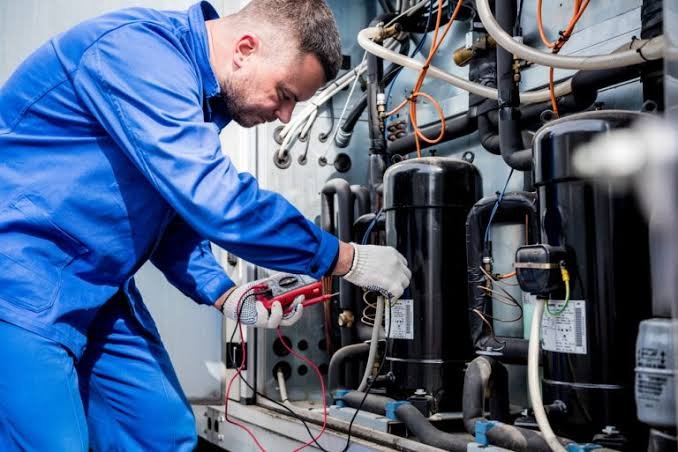
When a heating problem goes beyond basic maintenance, professional heating services can provide the experience and equipment needed to identify the actual cause.
A qualified technician doesn’t just look for the most obvious symptom. They can inspect the system, assess performance, and determine whether the problem is isolated or connected to a larger issue.
Clear communication matters here. Whether you’re a homeowner or responsible for a commercial property, you should understand what is wrong and what options are available.
A trustworthy professional should be able to explain whether a repair is practical, what the expected outcome might be, and when replacement deserves consideration. Not every old system needs to be replaced immediately, and not every repair is worth repeating forever.
The goal should be to make an informed decision, not a rushed one.
Repair or Replacement? There Isn’t Always an Easy Answer
Eventually, most property owners face the same question: should the existing heating equipment be repaired again or replaced?
The answer depends on several factors. Age matters, but it isn’t everything. A well-maintained system may still have useful life remaining, while another unit may have developed recurring problems much earlier.
Consider the repair history, overall performance, operating costs, and the nature of the current issue. If the same problems keep returning or repairs are becoming increasingly expensive, replacement may be worth discussing.
For commercial properties, downtime and operational disruption can also influence the decision. A business may decide that replacing unreliable equipment makes more sense than risking repeated interruptions.
For homeowners, budget and long-term comfort may play a larger role. Either way, the decision should be based on the actual condition of the system rather than pressure or guesswork.
Small Habits Help Both Homes and Businesses
Some of the simplest maintenance habits are easy to overlook.
Filters should be checked regularly according to the equipment’s requirements and the conditions inside the building. Vents and registers should remain clear. Outdoor equipment, where applicable, should be kept reasonably free from debris.
Pay attention to changes in performance as well. A building that suddenly takes much longer to warm up, develops uneven temperatures, or experiences unusual noises deserves a closer look.
Keeping service records can also be helpful. Over time, those records can reveal recurring problems and provide useful information when deciding whether another repair is worthwhile.
It might sound like a lot, but most of it comes down to paying attention.
Reliable Heating Starts With Smart Decisions
A dependable heating system isn’t necessarily the newest, biggest, or most expensive one available. The best system is the one that fits the building, operates reliably, and receives the care it needs.
For homes, that means balancing comfort with sensible maintenance and energy use. For businesses, it may also involve planning around operations, equipment demands, and the cost of unexpected downtime.
The goal isn’t to prevent every possible problem. That would be unrealistic. It’s to recognize warning signs, address issues before they become overwhelming, and work with qualified professionals when the situation requires more than a simple fix.
When cold weather arrives, heating suddenly becomes something very real. A well-maintained system can quietly make a home feel welcoming or keep a business running comfortably through a busy day.
And perhaps that’s the best sign of all: when the heating system is doing its job so well that nobody has to think about it at all.