Most people judge water by what comes out of the tap. Fair enough. If it looks clear, tastes clean, and doesn’t leave a strange smell behind, everything feels fine. But the real story of good household water often begins behind the scenes — in the plumbing, the filters, the fittings, the way a system is selected, installed, and maintained over time.
It’s not the most glamorous home upgrade, let’s be honest. Nobody throws a dinner party and proudly shows off a filter housing in the utility room. But good water quietly changes daily life. Coffee tastes better. Showers feel nicer. Dishes rinse cleaner. Appliances don’t seem to struggle as much. It’s one of those improvements you notice more by what stops bothering you.
Continue in this orbit: Better Water at Home Starts with the Right Kind of Balance
Why Water Quality Deserves More Attention
Water passes through so much before it reaches your glass. Municipal treatment plants, underground pipes, home plumbing, old fixtures, sometimes even storage tanks or wells. Along the way, it may pick up sediment, chlorine taste, minerals, rust particles, or other unwanted elements.
That doesn’t always mean the water is unsafe. Many homes have water that meets basic standards but still feels far from ideal. Maybe it smells a little like a swimming pool. Maybe it leaves marks on fixtures. Maybe your family avoids drinking tap water unless it’s ice cold.
Continue in this orbit: Better Water at Home Starts with Understanding What’s Really in It
This is where water filtration systems can make a real difference. The right system can help reduce specific issues in the water and make everyday use more pleasant, from drinking and cooking to bathing and cleaning.
The important thing is choosing a system based on the actual water problem, not just picking whatever looks popular online.
Not Every Filter Solves the Same Problem
A common mistake is assuming all filters do the same job. They don’t. A small pitcher filter is useful for some taste concerns, but it won’t treat water throughout the house. An under-sink system may be great for drinking water, but it won’t help the shower, washing machine, or water heater. A whole-house system handles water before it spreads through the home, but it needs proper sizing and setup.
Continue in this orbit: How Modern Water Filtration Systems Work Smarter for Everyday Homes
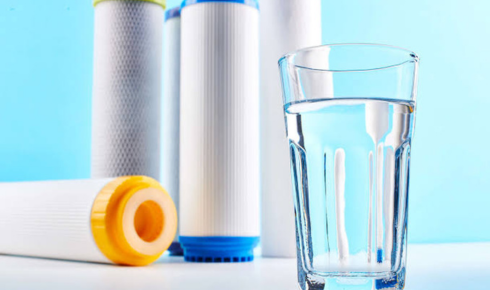
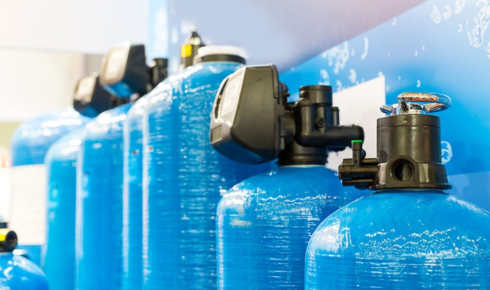
Some filters are designed for sediment. Some focus on chlorine taste and odor. Others may target lead, volatile compounds, hardness-related concerns, or well water issues. Reverse osmosis systems, carbon filters, softeners, UV systems — each has a role, and sometimes homes need more than one layer.
The best starting point is water testing. It removes the guesswork. Once you know what’s in the water, you can choose equipment that actually fits the situation.
Continue in this orbit: Better Water Begins With Knowing What’s in It: A Practical Guide to Testing, Installation, and Reliable Treatment
Installation Is Where Good Equipment Proves Itself
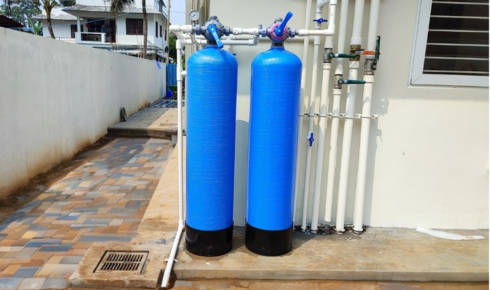
Even the best system can underperform if it’s installed poorly. That sounds obvious, but it gets overlooked all the time. Water treatment equipment has to work with water pressure, flow rate, pipe size, household demand, drainage, access space, and future maintenance needs.
A rushed or careless setup can lead to leaks, pressure drops, noisy operation, wasted water, poor filtration results, or difficult filter changes later. Sometimes the system works for a while, then slowly becomes a headache because it was never placed or configured properly in the first place.
Continue in this orbit: Finding the Right Water System for a More Comfortable Home
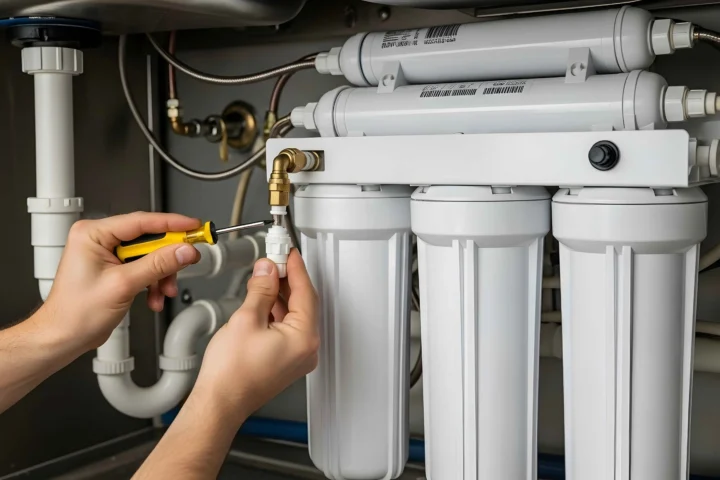
This is why quality workmanship matters so much. Clean pipe connections, secure fittings, correct placement, proper flushing, neat layout, and clear testing after installation all help the system perform the way it should. It’s not just about making the job look tidy, though that helps too. It’s about reliability.
A homeowner should not have to wonder whether the filter is installed in the right direction or whether a valve will be reachable when service is needed.
Good Water Makes Daily Life Feel Easier
Better water doesn’t always announce itself dramatically. It’s more subtle. You may notice tea tastes smoother. Ice cubes don’t carry odd flavors. The sink smells fresher. Soap rinses better. The dishwasher may leave fewer marks. Guests drink from the tap without asking for bottled water.
These small changes add up.
Families who rely heavily on bottled water often find that good filtration changes their habits. Reusable bottles get filled at home. Cooking water comes from the tap again. Plastic waste goes down. Grocery trips become a little lighter. It’s a practical benefit, not just a comfort upgrade.
And then there are appliances. Water heaters, dishwashers, washing machines, coffee makers, and refrigerators all interact with water daily. Cleaner, better-managed water can help reduce buildup and wear depending on the type of issue being treated.
Maintenance Should Be Simple, Not Stressful
No water system is completely “install it and forget it.” Filters need changing. Some systems need periodic checks. Softeners may need salt. Reverse osmosis units need membrane care. UV lamps need replacement. The details depend on the system.
But maintenance should not feel confusing or impossible.
A good installation includes easy access to cartridges, valves, tanks, and service points. It also includes clear instructions. Homeowners should know when filters need replacing, what signs to watch for, and who to call if performance changes.
This is another reason planning matters. If a system is crammed into a tight corner or hidden behind stored boxes, maintenance becomes something people delay. And delayed maintenance weakens performance.
What Long-Term Value Really Looks Like
When homeowners invest in water treatment, they’re usually looking for more than a quick fix. They want cleaner water, fewer annoyances, and confidence that the system will keep doing its job.
That’s where long-lasting performance becomes the real measure of value. A system shouldn’t just work nicely for the first few weeks. It should continue serving the home with steady results when properly maintained.
Long-term value comes from three things working together: the right equipment, careful installation, and regular upkeep. Miss one of those, and the results can suffer. Get all three right, and water treatment becomes one of the quietest but most useful upgrades in the home.
A Better Home Starts at the Tap
Good water isn’t only about taste. It’s about comfort, trust, and fewer daily irritations. It’s about not second-guessing the glass you hand to your child. Not scrubbing the same fixture again and again. Not buying case after case of bottled water because the tap never feels quite right.
The work behind clean water may not be exciting. Pipes, valves, filters, and fittings rarely are. But when they’re chosen and installed properly, they make home life smoother.
And sometimes that’s the best kind of improvement — the kind that quietly does its job every single day.