Most homeowners don’t think much about water reports until there’s a reason to care. Maybe the water tastes metallic. Maybe a sink keeps staining. Maybe a well hasn’t been checked in years, and someone finally says, “Should we test this?” It’s a small question, but an important one.
Water is one of those everyday things we trust almost automatically. We drink it, cook with it, bathe in it, wash baby bottles, rinse fruit, fill the dog’s bowl, and make coffee before the day has even properly started. So when there’s uncertainty around water quality, guessing doesn’t feel good enough.
Continue in this orbit: Better Water Begins With Knowing What’s in It: A Practical Guide to Testing, Installation, and Reliable Treatment
That’s where proper testing helps. Not vague testing. Not a quick strip that leaves you more confused than before. Real testing that gives you something useful to work with.
Why a Proper Report Matters
A water test is only as helpful as the information it gives back. A basic result might tell you that something is “high” or “low,” but that doesn’t always explain what it means for your home. Homeowners need context. What was found? How much was found? Is it a taste issue, a plumbing issue, or a health-related concern? What should happen next?
Continue in this orbit: Better Water Begins With Knowing What Your Home Actually Needs
A detailed lab report can make all of this easier to understand. It should show what was tested, the measured levels, and how those results compare with relevant guidelines or recommended ranges. That kind of detail turns a mystery into a manageable conversation.
Without it, people often end up buying random filters, replacing cartridges too often, or ignoring problems because the results feel too confusing.
Clear Water Can Still Be Complicated
One of the biggest misunderstandings about water is that clear means clean. Sometimes it does. But water can look perfectly fine and still carry dissolved minerals, metals, chemicals, bacteria, or other substances that only testing can identify.
Continue in this orbit: Choosing the Right Water Treatment System for Everyday Comfort
That’s especially true for private wells, older homes, or properties near farmland, industrial areas, or heavy construction. But even city water can have taste, odour, hardness, chlorine, sediment, or plumbing-related concerns by the time it reaches the tap.
This is why testing gives homeowners confidence. It takes the focus away from guesswork and puts it on actual numbers.
Continue in this orbit: Why the Water in Your Home Deserves More Attention Than You Think
Results Should Lead Somewhere Useful
A good water test should not stop at “here are the numbers.” Homeowners need to know what those numbers mean in daily life. If hardness is high, will that explain scale and dry skin? If iron is present, is that why the toilet bowl stains orange? If bacteria are detected, what is the next safe step?
That is where actionable results become valuable. They help translate the report into a practical plan, whether that means installing a filtration system, adding a softener, treating a well, using reverse osmosis, or simply monitoring the water over time.
Not every result calls for a major purchase. Sometimes the best recommendation is small and targeted. Sometimes it’s maintenance. Sometimes it’s a more complete treatment setup. The point is that the next step should fit the actual water, not a sales script.
Continue in this orbit: The Subtle Truth About Clean Water: What Most People Don’t Notice Until It’s Too Late
Trusting the Testing Process
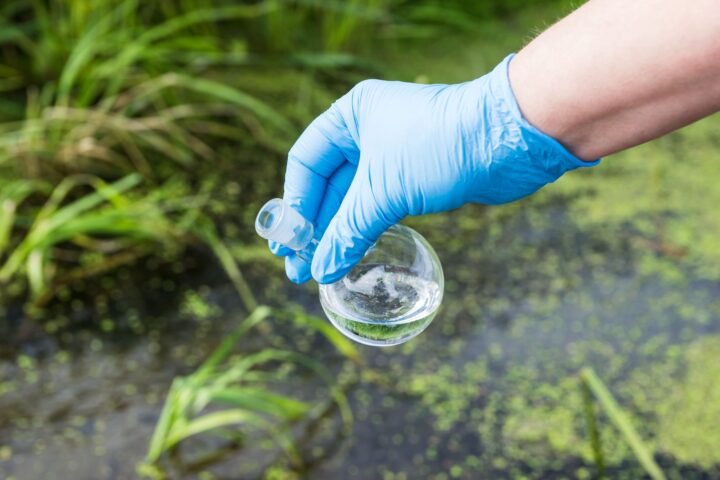
Water testing depends on good sampling, careful handling, and reliable analysis. If the sample is collected incorrectly or tested through an unreliable source, the results may not tell the full story. That can lead to wrong decisions, which nobody wants when drinking water is involved.
An accredited laboratory adds a layer of trust to the process. Accreditation means the lab follows recognised testing standards and quality controls for the methods it performs. For homeowners, that matters because the results may guide real decisions about treatment, maintenance, and household safety.
It’s not about making the process sound fancy. It’s about making sure the answers are dependable.
What Homeowners Can Learn From Testing
Water testing can reveal many different concerns. Hardness minerals may explain scale on faucets and cloudy glassware. Iron may cause rusty stains. Low pH may contribute to corrosion. High chlorine can affect taste and smell. Sediment can clog fixtures. Bacteria can point to well or plumbing issues that need quick attention.
Some tests may check for metals, nitrates, sulfates, PFAS, VOCs, or other contaminants, depending on the home’s location and water source. The right test panel depends on what you need to know.
A family on city water may focus on taste, chlorine, lead, hardness, or dissolved solids. A homeowner with a private well may need a broader check, including bacteria and local groundwater concerns. There is no single perfect test for every situation.
Why Guessing Usually Costs More
Many people try to fix water problems by buying whatever filter looks best online. It’s understandable. The product pages sound convincing, and nobody wants to spend weeks thinking about water chemistry. But if the system doesn’t match the problem, it may not help much.
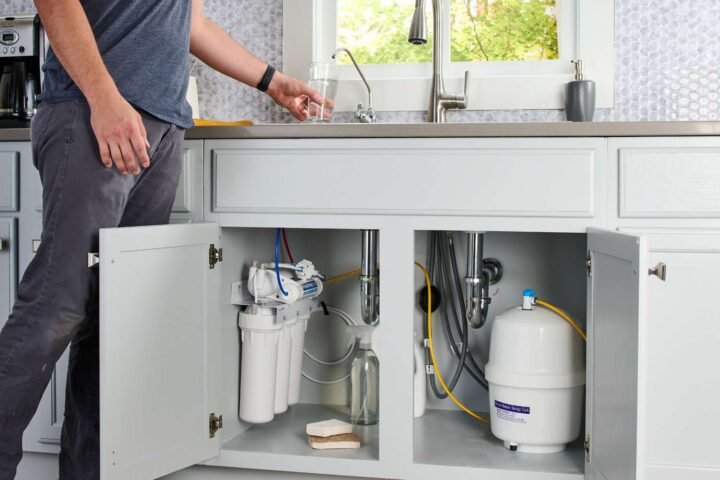
A carbon filter may improve taste but won’t solve hardness. A softener may reduce scale but won’t remove bacteria. A sediment filter may catch particles but won’t necessarily deal with dissolved contaminants. Reverse osmosis can be useful for drinking water, but it may not be the right whole-home answer.
Testing first helps avoid wasted money and false confidence. It also helps homeowners choose equipment that actually fits their water.
Reading the Report Without Feeling Overwhelmed
A water report can look intimidating at first. There may be rows, units, numbers, and abbreviations. But a good provider should explain it in plain language. Homeowners should understand which results are normal, which are worth watching, and which need action.
The conversation should feel calm and practical. No scare tactics. No pressure to buy the biggest system. Just clear guidance based on the data.
That kind of honesty matters. Water treatment is not just about selling equipment; it’s about helping people feel confident in their homes.
Better Water Begins With Better Information
Clean water is not something you should have to guess about. If your water tastes strange, leaves stains, smells odd, or simply hasn’t been tested in a long time, a proper lab test can give you answers.
Those answers can protect more than your drinking water. They can support your plumbing, appliances, laundry, cooking, and everyday comfort.
In the end, better water starts with better information. Once you know what is in your water, choosing the right solution becomes much simpler — and the kitchen tap feels a little more trustworthy again.